What a change! From warm and sunny Rome to cool and damp (one might say, CHILLY) Northern Ireland. But we have been enveloped in the warmth and hospitality of Mary, Ed’s second cousin on his mother’s side, and Mary’s husband Tony. Ed and I first met Mary and Tony in 1989 when Ed’s brother, Bill, the Muldoon…
Our beloved Pope Francis declared 2025 a Jubilee Year of forgiveness, love and joy. So we knew that Rome would be especially crowded with pilgrims… but we were not prepared for the sizes of the crowds we encountered. We visited Rome twice on this trip — once to catch the Ryanair flight to Dubrovnik, and…
To explain why we went to Dubrovnik, go back in your mind to the pre-Covid era. At that time, Ed and I had begun to plan a rail trip to parts of Central Europe (formerly known as Eastern Europe) that we had never visited. Since those plans were quashed by the pandemic, more recently we…
We walked from Muros de Nalon to Soto de Luina today. It was a very difficult walk. It was about 16 – 17 km but it was up and down hills all day long. Most had very steep slopes of 10°, 20°, and some were 30° and more. The path was filled with loose rocks and stones, many roots, leaves and in places, mud (barro). Our legs are really tired. Today was the 6th day in a row that we walked, so we are glad to have a scheduled rest day! Not to mention rain in the forecast…
Our approach to each day is to start around 10:00 am and to walk without stopping for rest until we get to our destination. Today we walked for about 6.25 hours. We carry food and water and stop only to take a drink or get the food out of the backpacks. If we were to stop longer and sit down our joints would stiffen up. Experience tells us that it takes a while to get loose again, so we just don’t stop.
We are almost half way to Santiago. We will walk 5 days in a row starting on Tuesday. Then a day off. Next we walk 4 days and then take a day off. Then we walk for 3 days and walk into Santiago de Campostela on the last day of this Camino.
With our dear cousins Mary and Tony Furey on the coast walk in Muff, Donegal, Republic of Ireland (Eire). It seems as though every view on island is stunningly beautiful.
What a change! From warm and sunny Rome to cool and damp (one might say, CHILLY) Northern Ireland. But we have been enveloped in the warmth and hospitality of Mary, Ed’s second cousin on his mother’s side, and Mary’s husband Tony.
Ed and I first met Mary and Tony in 1989 when Ed’s brother, Bill, the Muldoon genealogist, guided a family group to the Furey’s lovely home in Derry, Northern Ireland. The group included Ed’s parents and constitutes one of a myriad of fond memories of Bill.
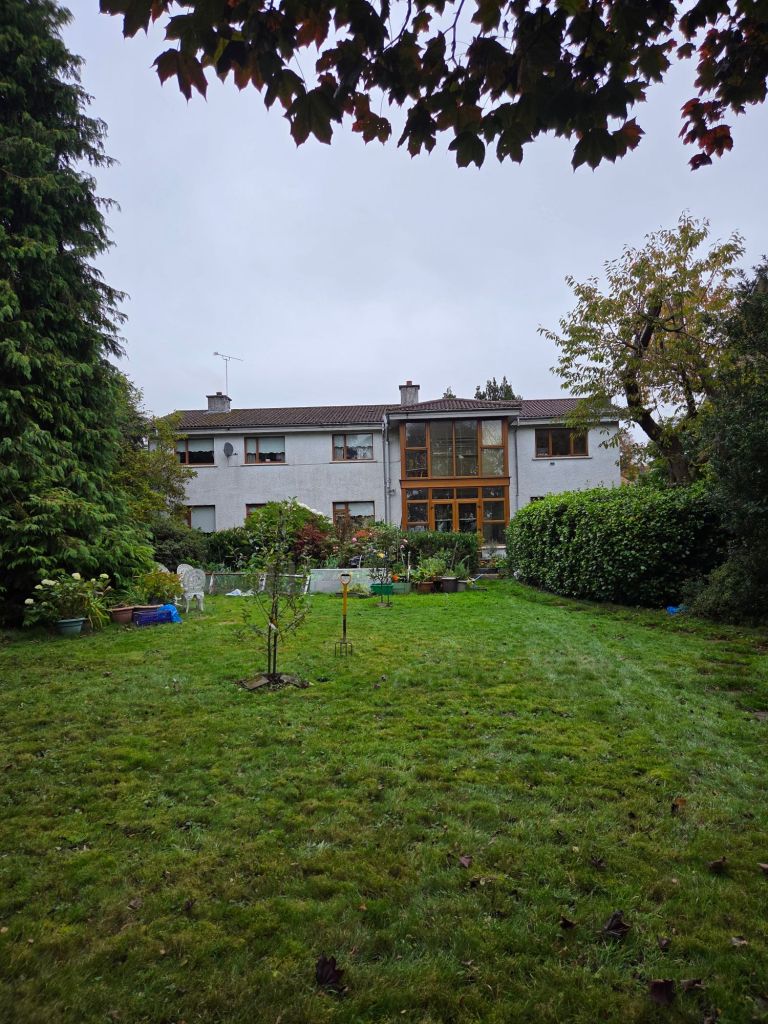
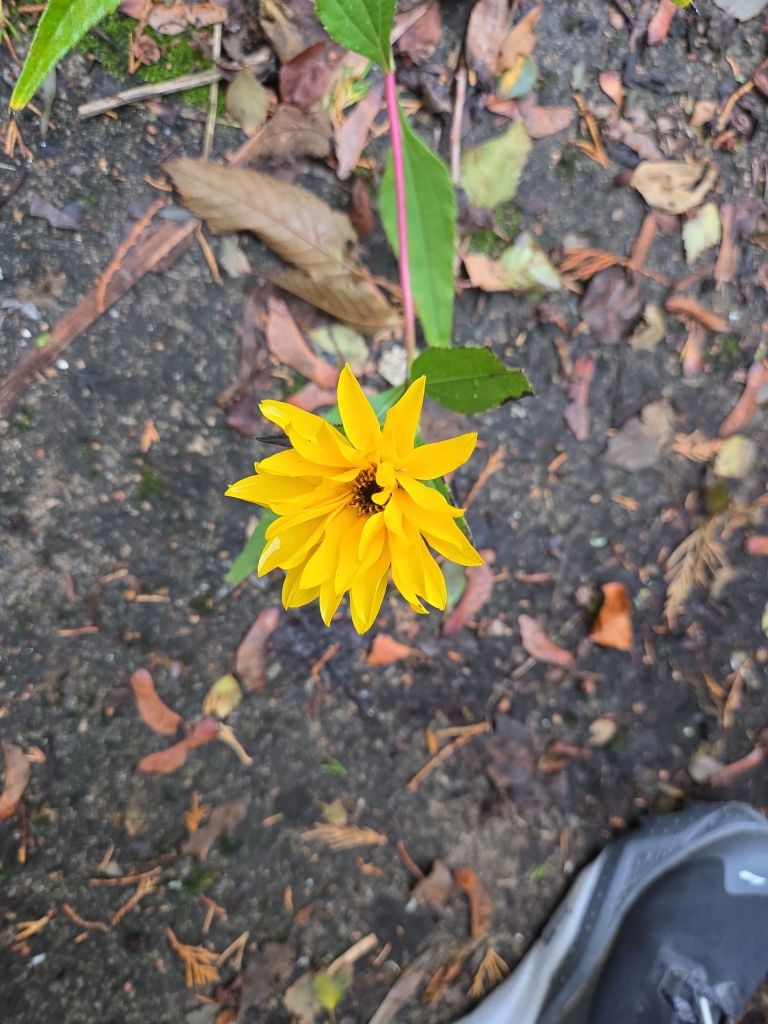
The Furey’s back garden in Derry.Some of the many flowers blooming in Ireland at the end of October.
The title of this post, “Home Sweet Home, ” refers not only to our return from Europe to US, but also to our time in Ed’s ancestral home, Ireland, and the home, wherever it is geographically, where we are loved by family or friends and appreciated and we are grateful. We found HOME in many places and faces on this lengthy and complicated trip.
May God continue to grant us the Providence of mercy to find and build that home for our sisters and brothers near and far.
POSTSCRIPT As of October 23 we are in DC but 6 weeks of traveling caught up with us so we both have heavy colds that make it difficult to talk without succumbing to coughing fits. We apologize for any delay in communicating with you. We are headed to Minnesota to visit Ed’s brother Bill’s resting place next to Lake Sagawatan at St John’s Abbey and then to Naples, Florida for the winter by October 30.
We close the posts for our 2025 Camino by sharing some final images.
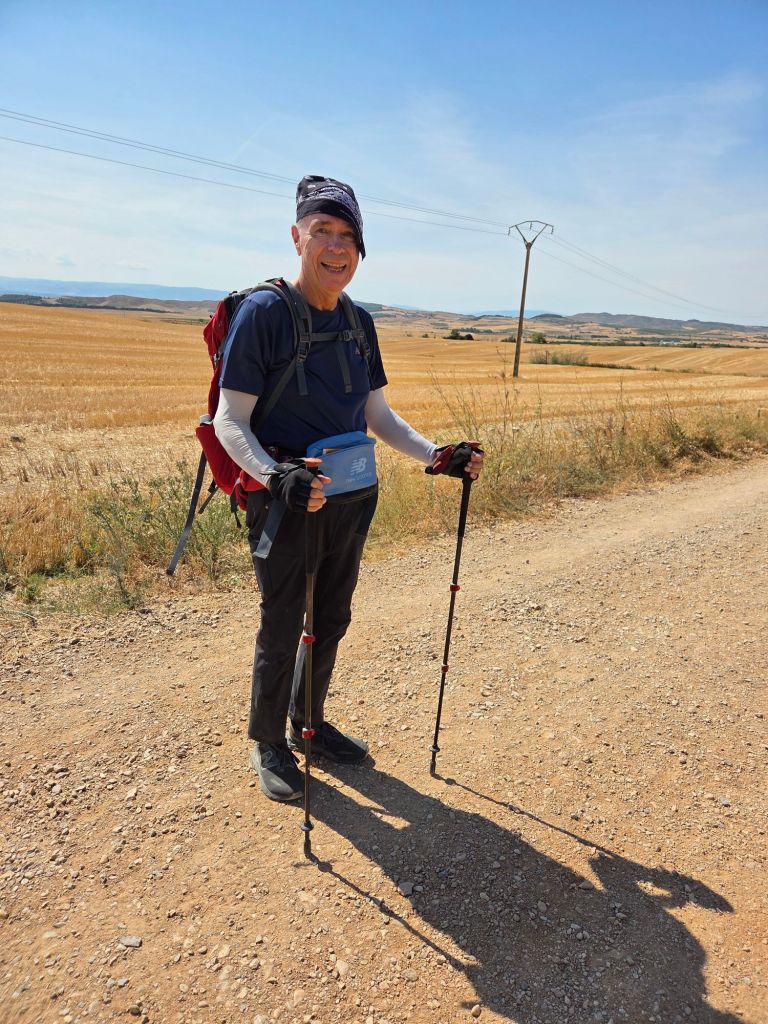
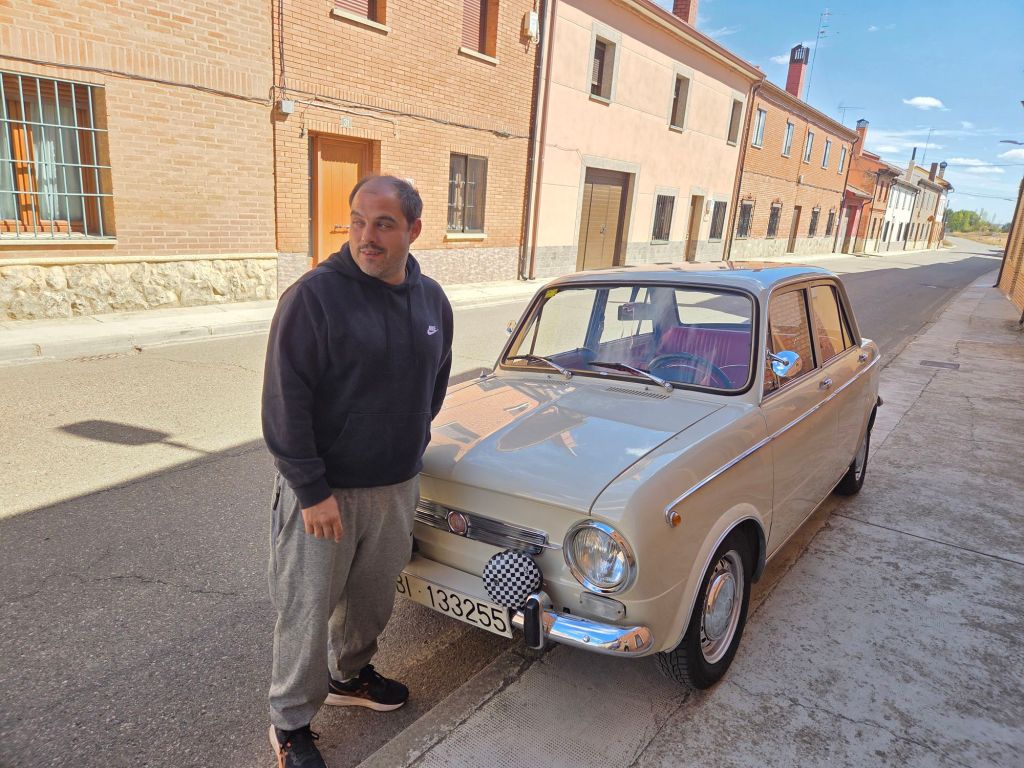
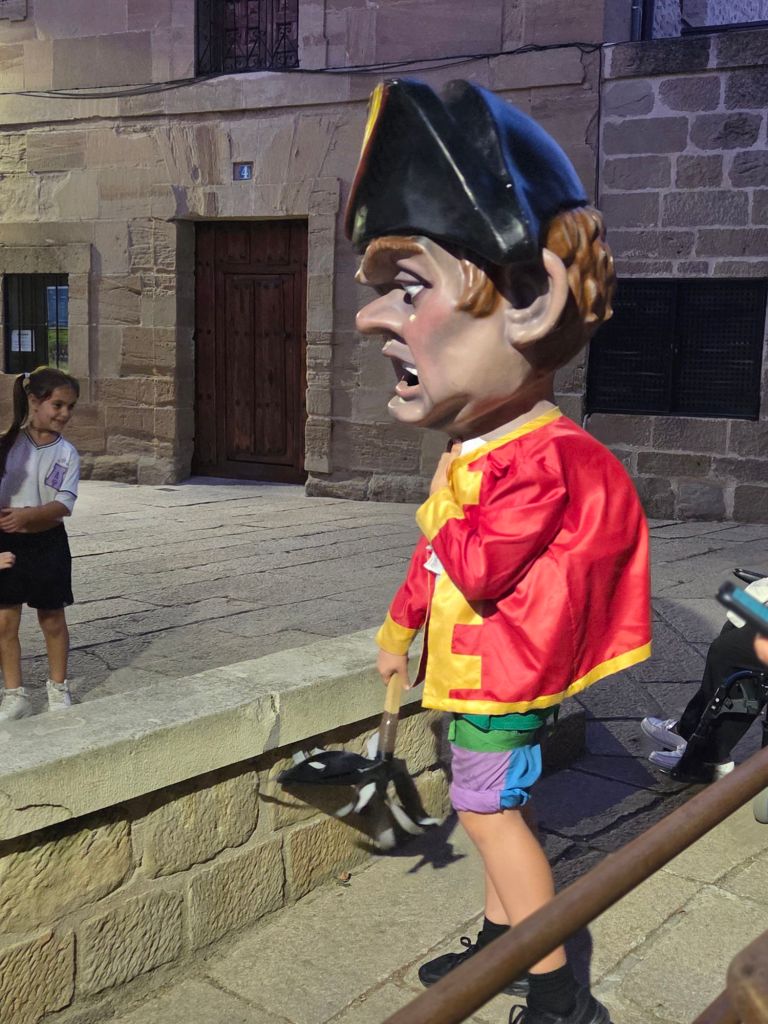
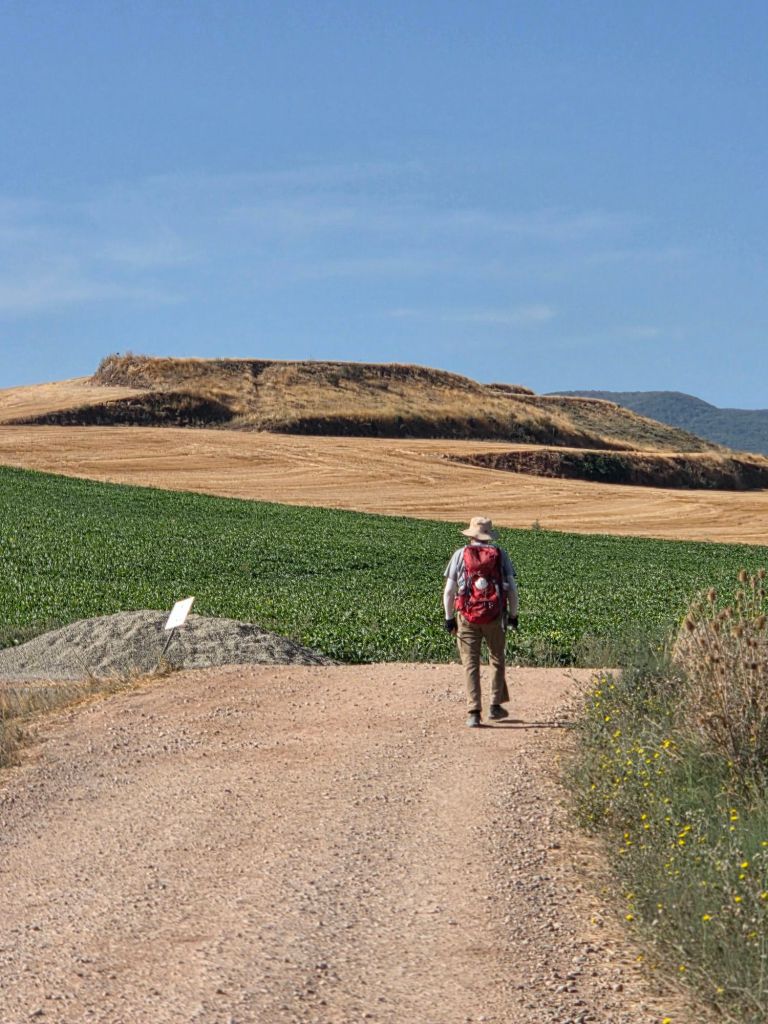
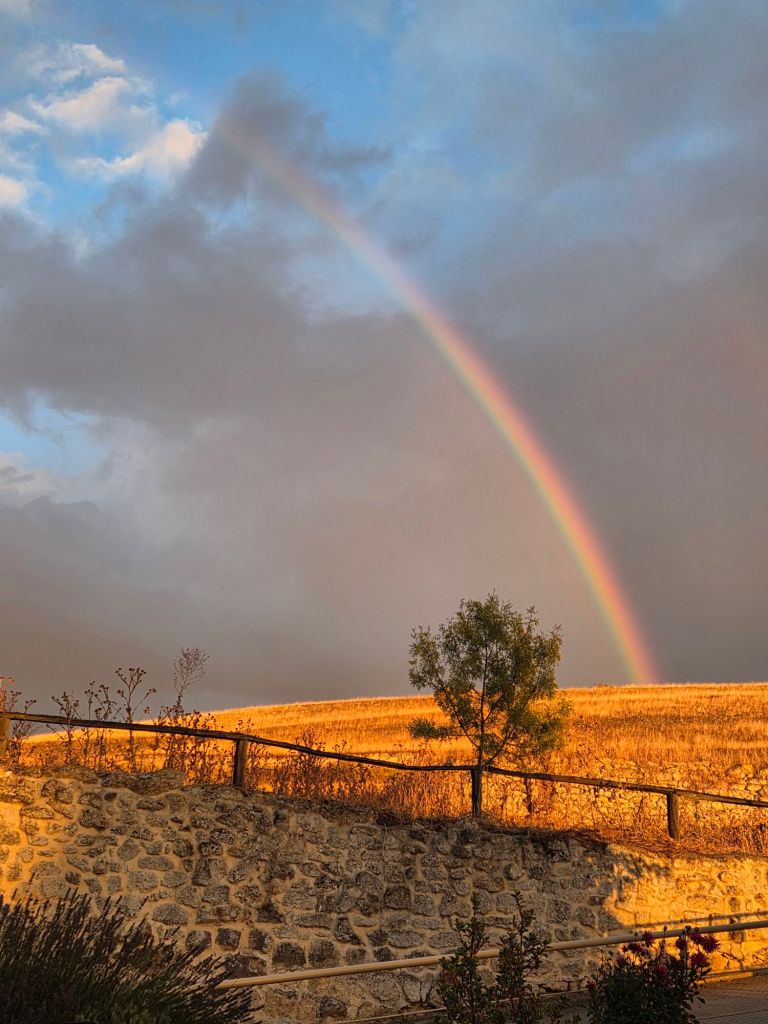
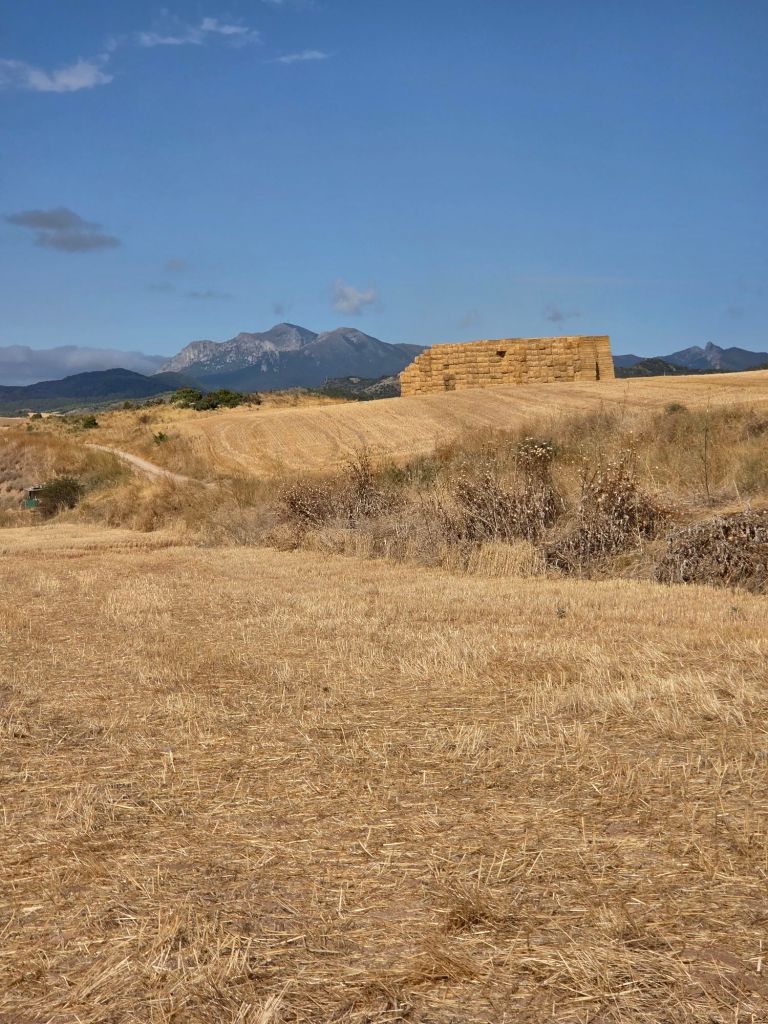
Early on the Camino, Ed misplaced his hat and needed to improvise with a bandana until a replacement hat was acquired in Logrono. The look is good!After driving past us on the Camino, this gentleman was parked in the next tiny hamlet where he and his family have lived for generations. We found him polishing the hood and when we admired his car, he told us that his grandparents bought the car, a SEAT, new in 1967 and passed it on to him.Every town seemed to be celebrating a September festa the night we stopped to sleep. (The brass band would usually stop around 11 pm.) In Logroño, I was unwittingly “whipped” by this mischievous character as I walked by.Ed was much taken by the new hay baling equpment we saw pile the bales into multistory, flat-sided constructions. These have replaced the conical bales we saw on our 2015 Camino.The rhythm of walking the Camino.“He shall put a bow into the sky…”Thanks for accompanying us on the Camino.
Our beloved Pope Francis declared 2025 a Jubilee Year of forgiveness, love and joy.
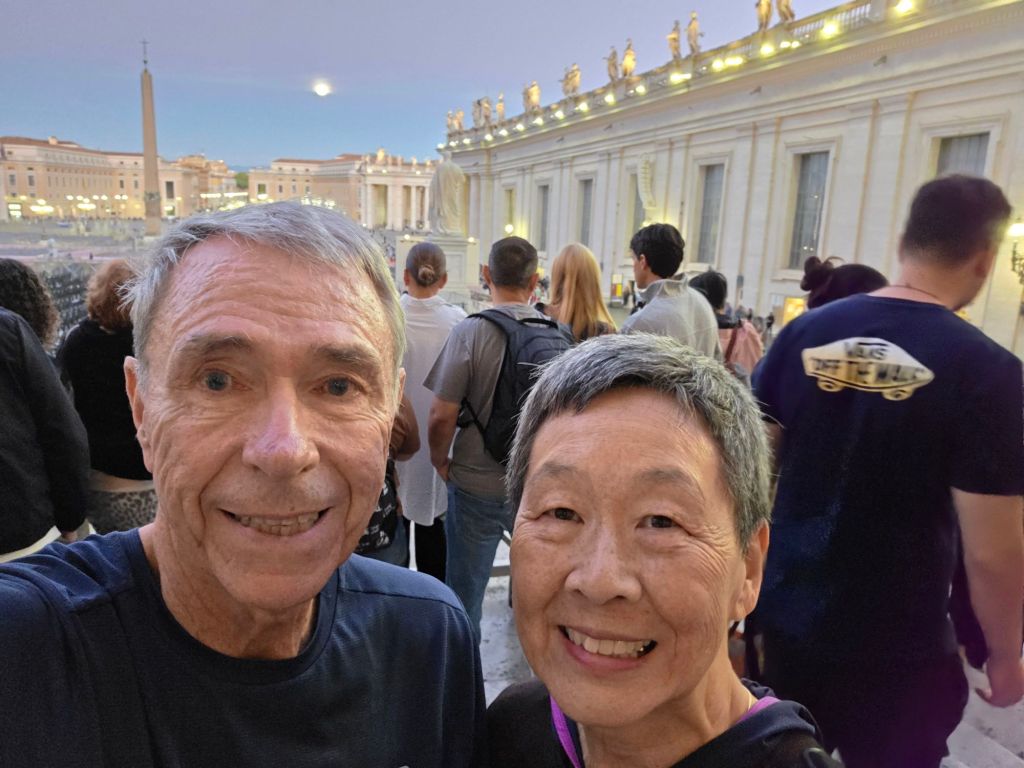
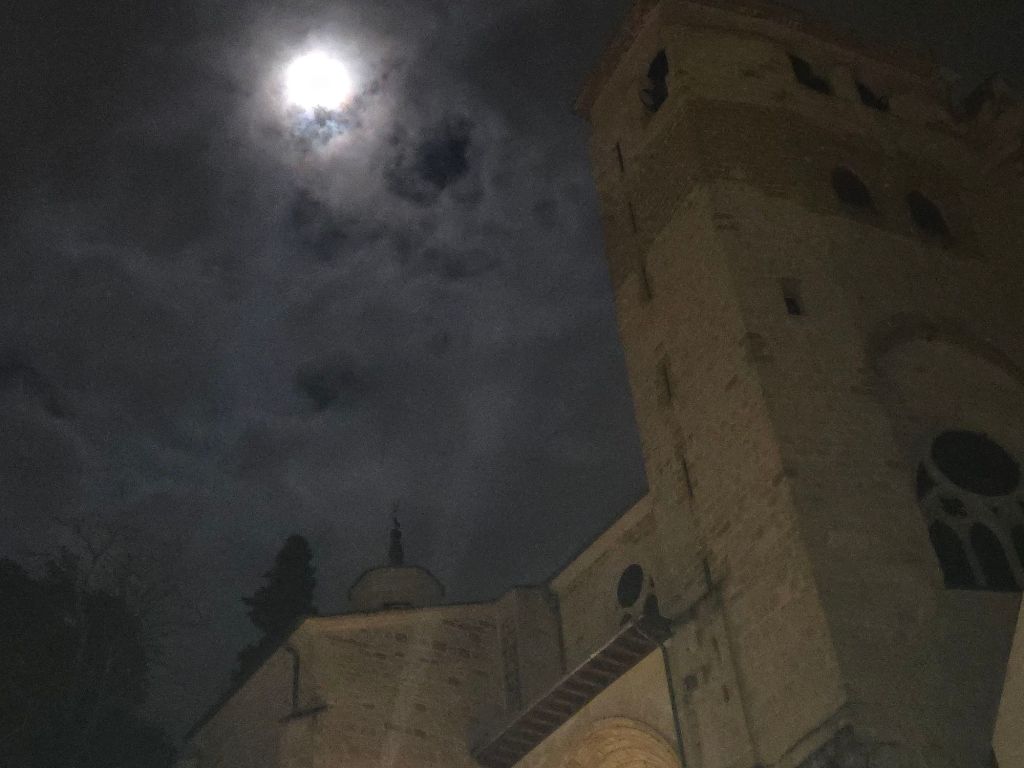
In St Peter’s Square with full moon above.
So we knew that Rome would be especially crowded with pilgrims… but we were not prepared for the sizes of the crowds we encountered.
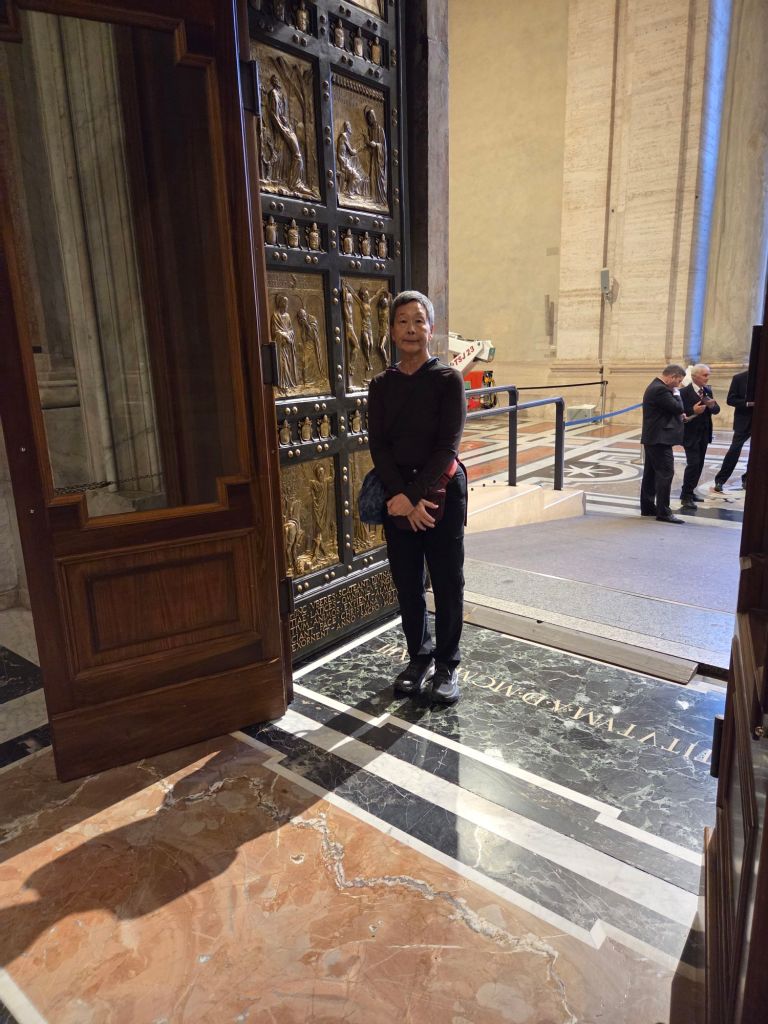
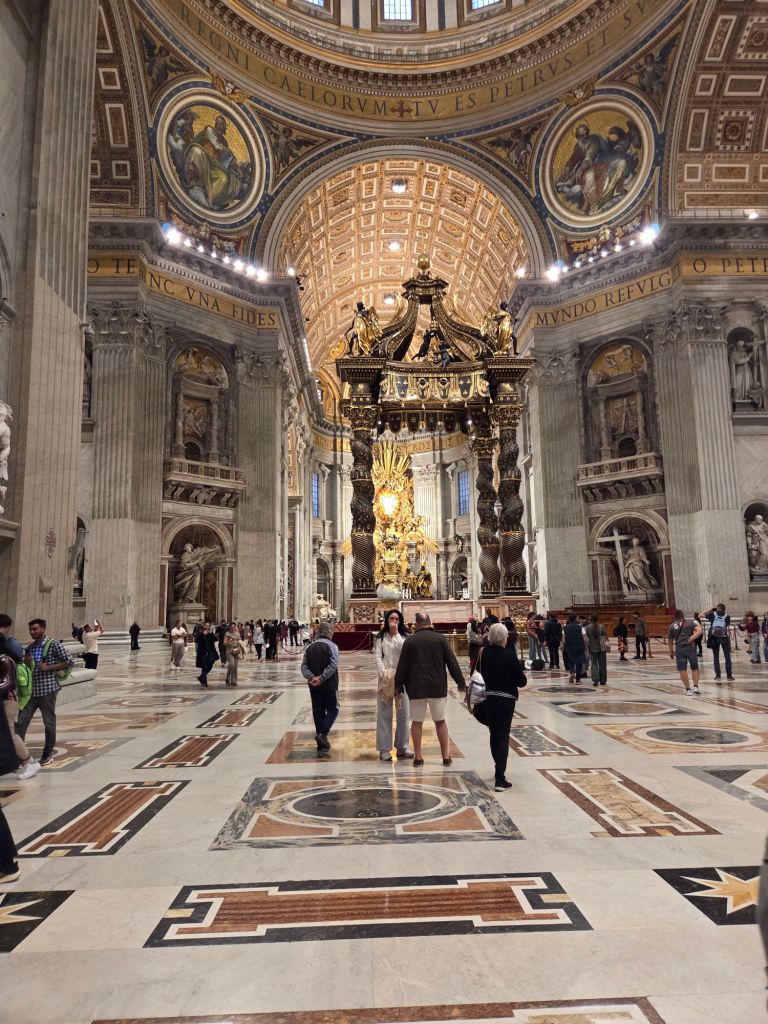
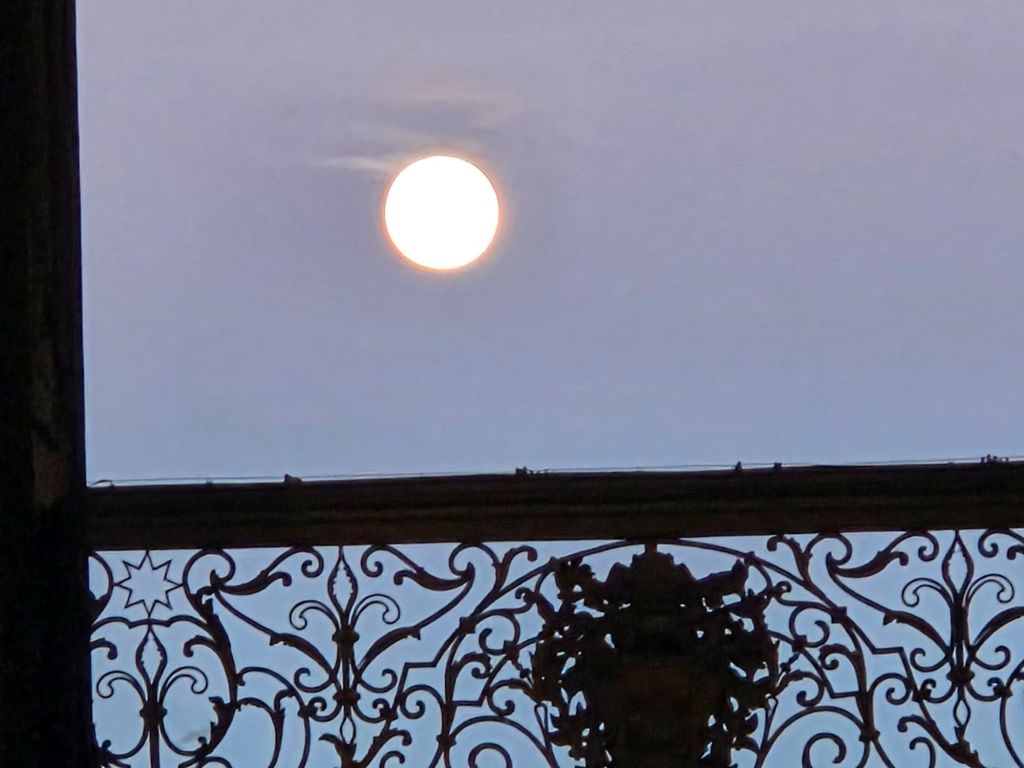
Going through the Holy Door of St Peter’s, which is only opened in Jubilee Years, usually every 50 years.We attended 6 pm Mass and lingered in the evening’s less crowded space until the guards closed it all.The full moon seen from inside the St Peter’s.
We visited Rome twice on this trip — once to catch the Ryanair flight to Dubrovnik, and the second time before flying on Ryanair to Dublin. Rome is our favorite city in the world.
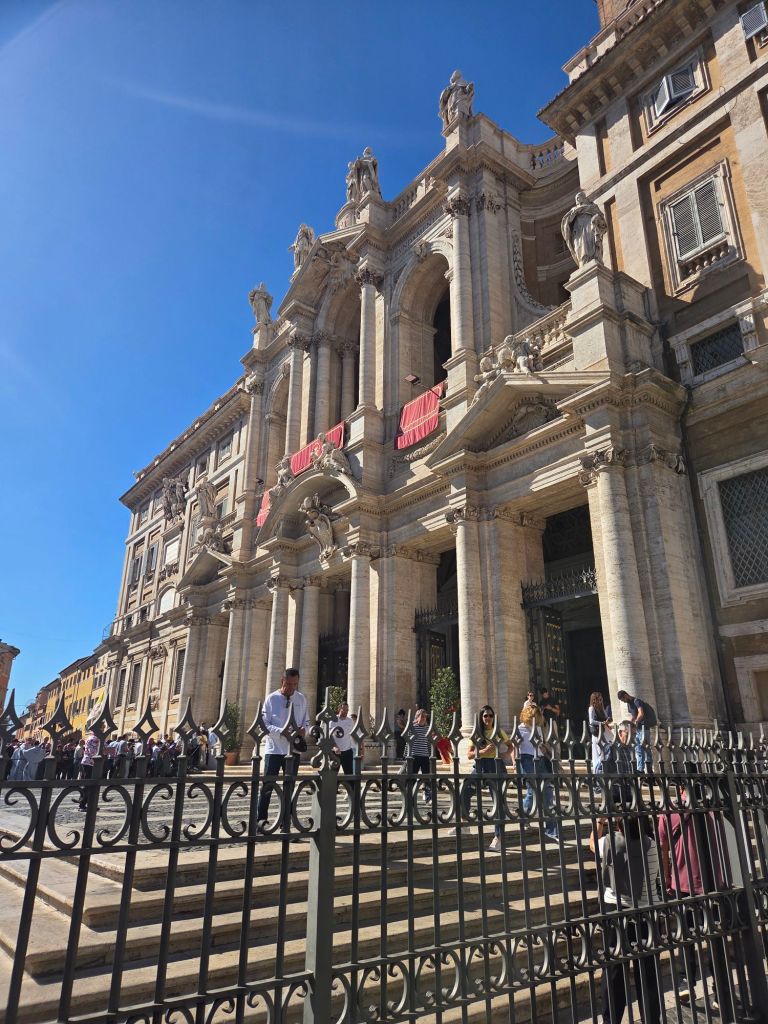
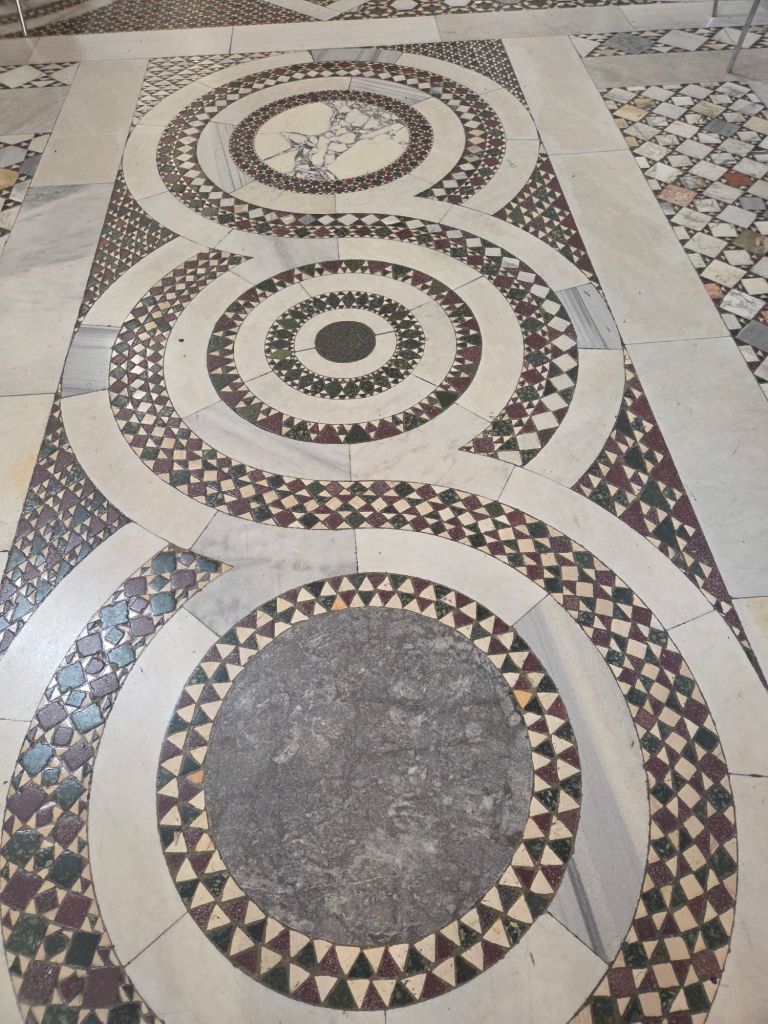
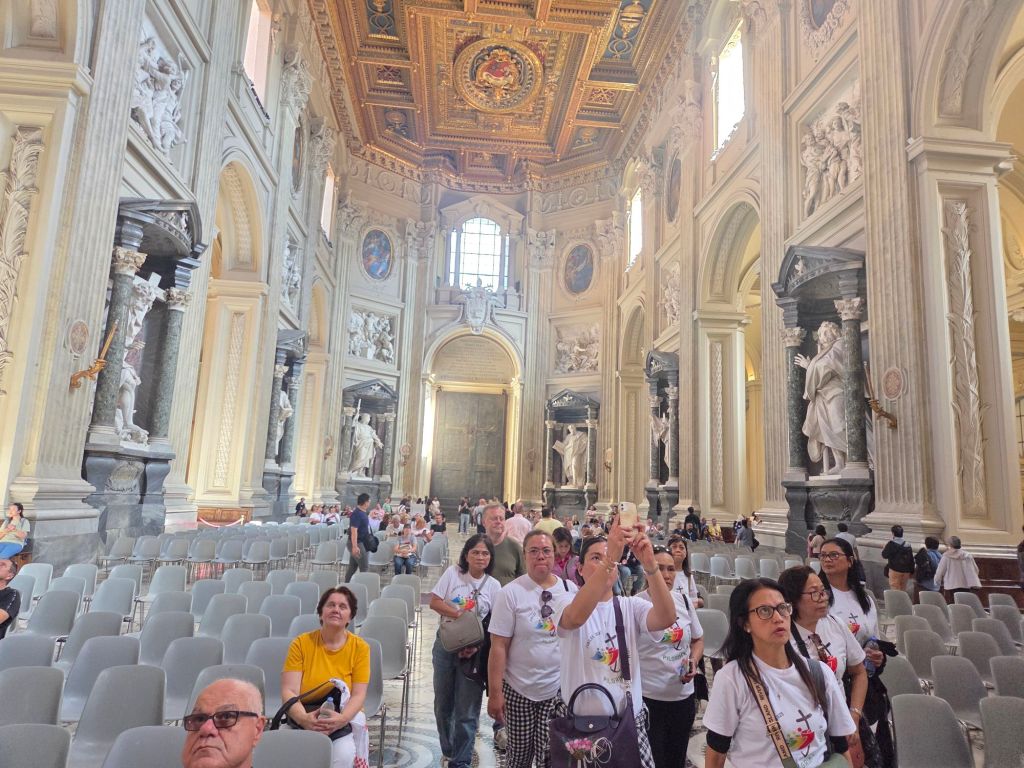
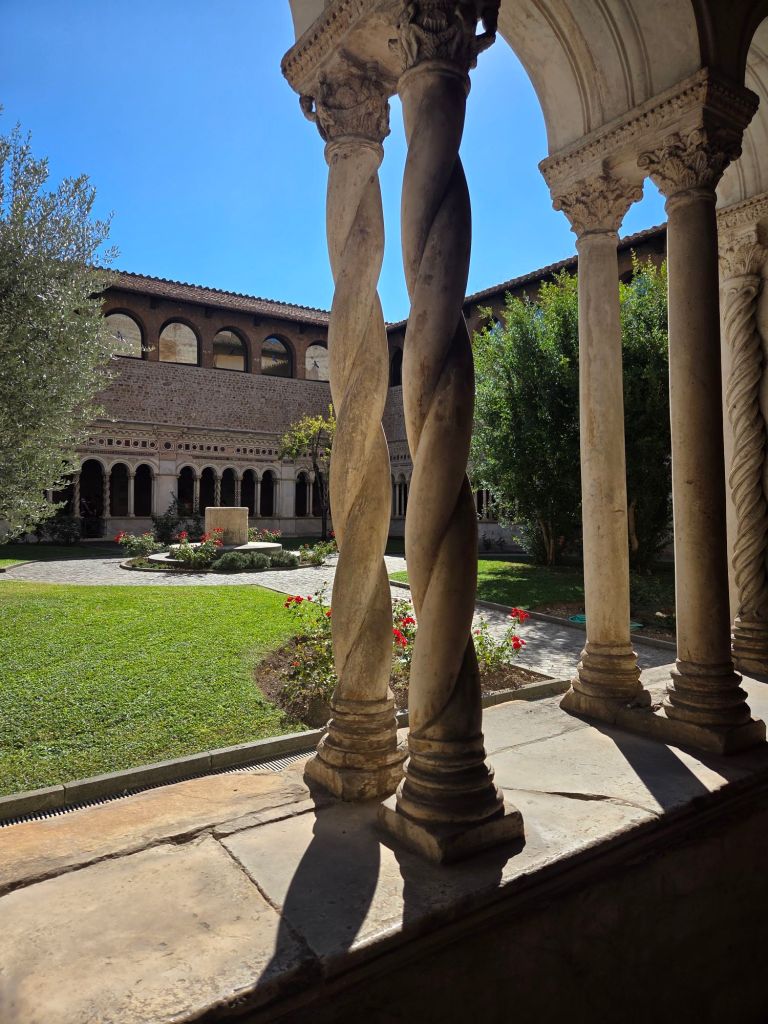
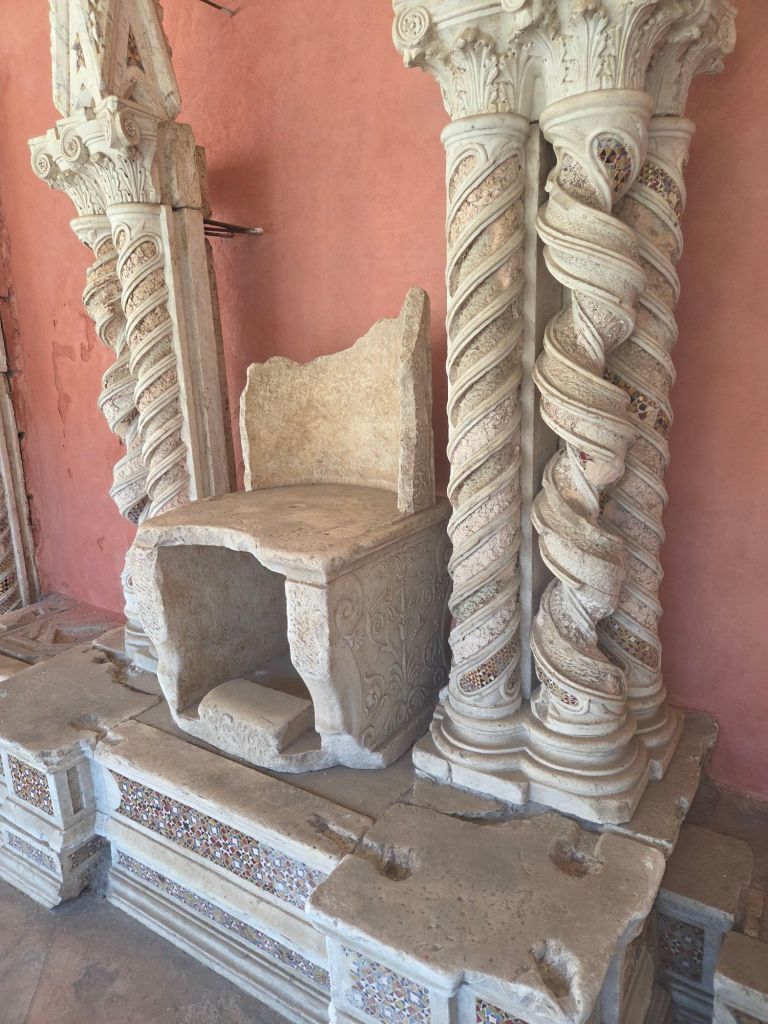
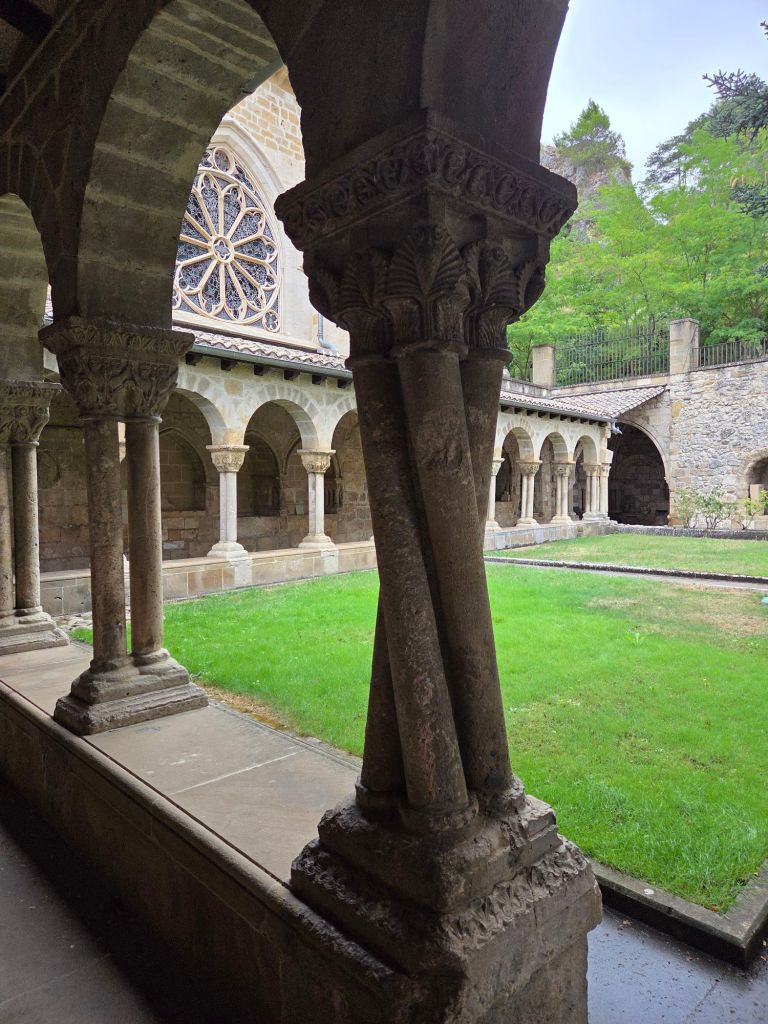
Basilica di Santa Maria Maggiore is one of the major pilgrim sites in Rome. Above is a section of mosaic floor. San Giovanni Laterano (St John Lateran) is another of Rome’s 4 major papal basilicas, along with St Paul Outside the Walls, St Mary Major and St Peter’s.St john Lateran, the oldest basilica in Rome, has a quiet and ancient cloister.We were surprised to discover in the cloister a fragment of “The Altar of St Mary Magdalene” which once was believed to contain her remains and was originally placed in the basilica’s center aisle.
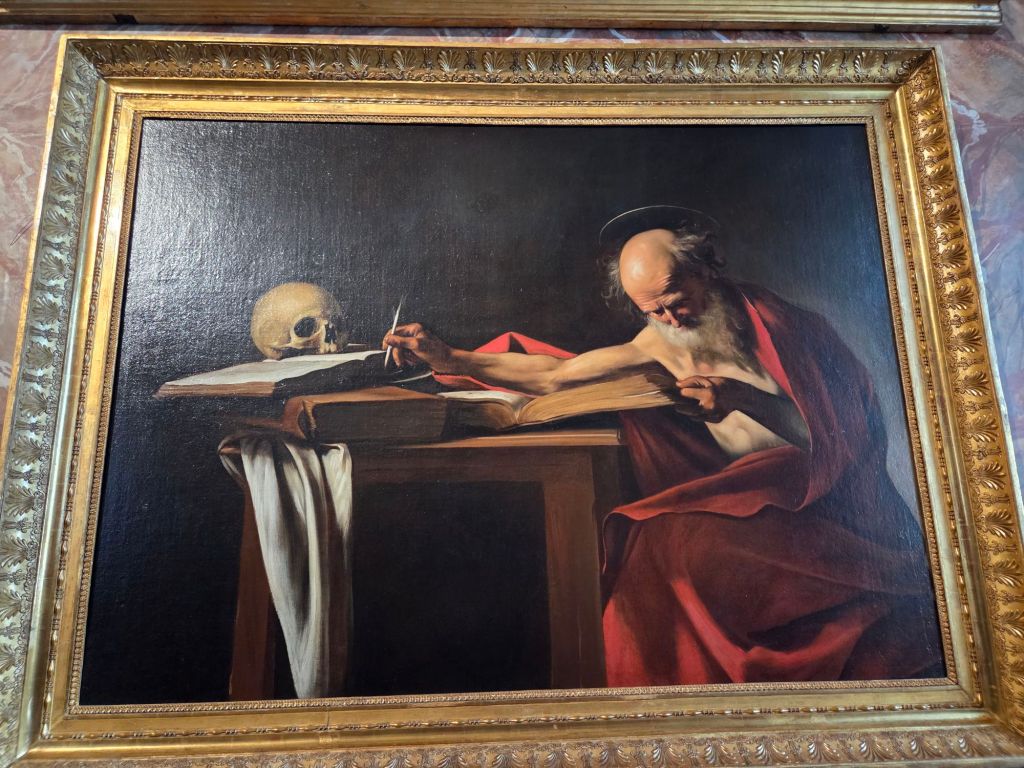
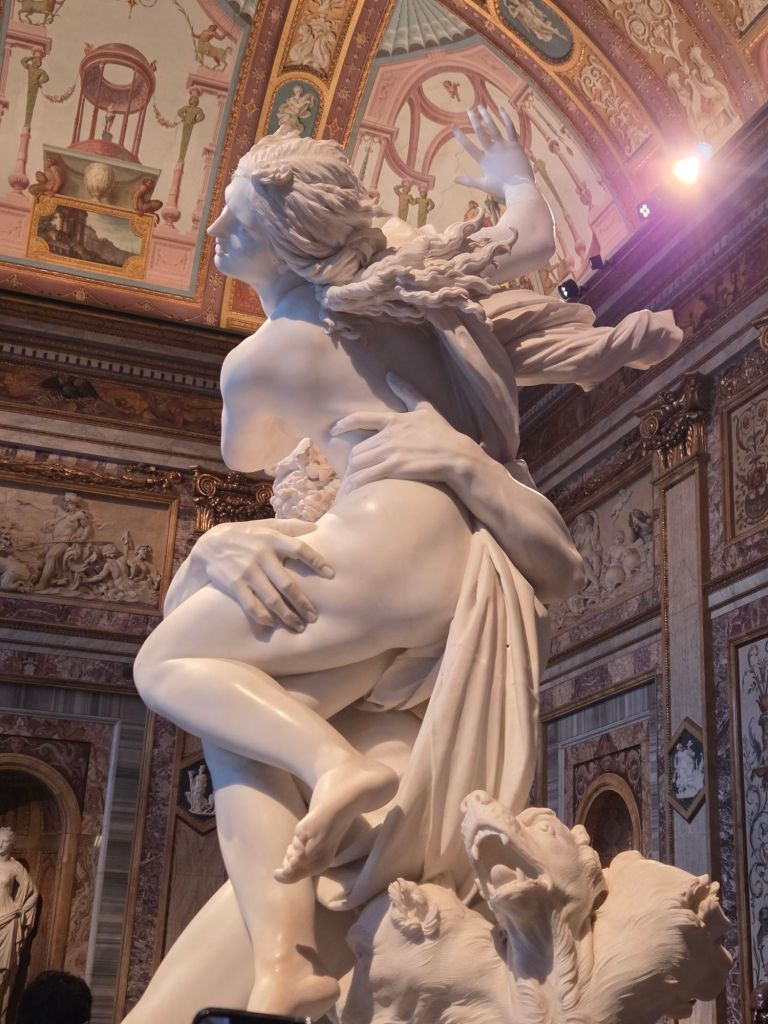
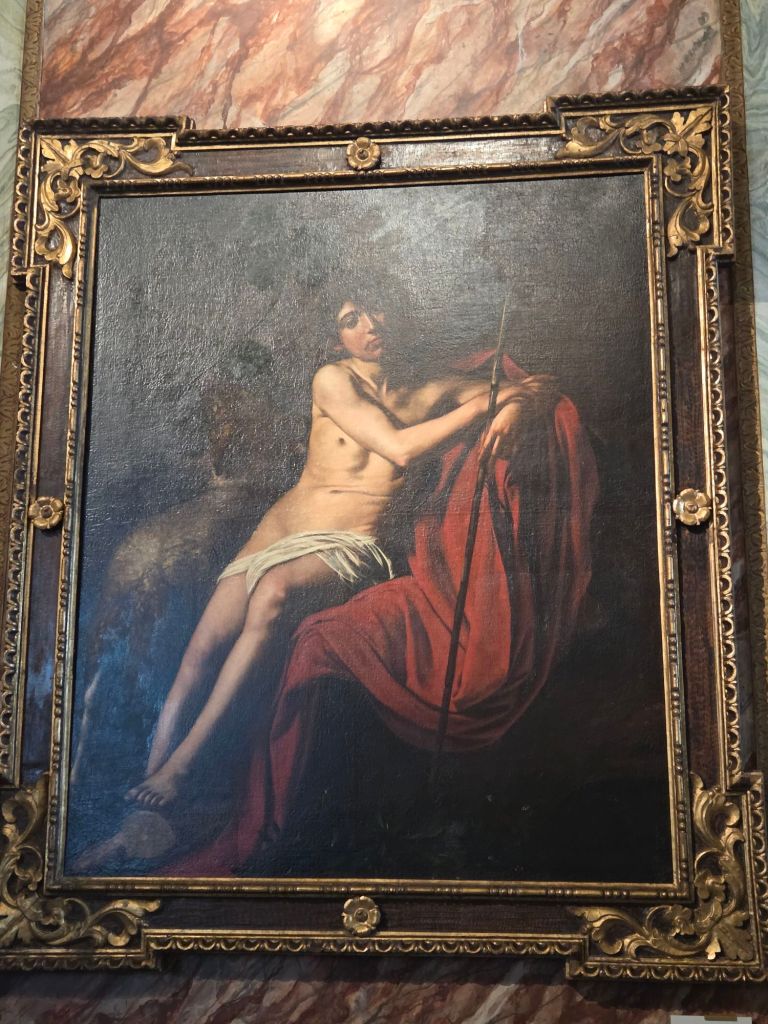
A major Roman highlight was our long-sought visit to the Galleria Borghese, an amazing museum set in a large park within the city. Cardinal Scipione Borghese (1579-1633), nephew of Pope Paul V, was a voracious collecter of ancient Roman art and commissioner of contemporary art from such as Bernini and Carravaggio. It seems that whenever he wanted a piece, he would ask his uncle the Pope to apply pressure so here could get what he wanted.
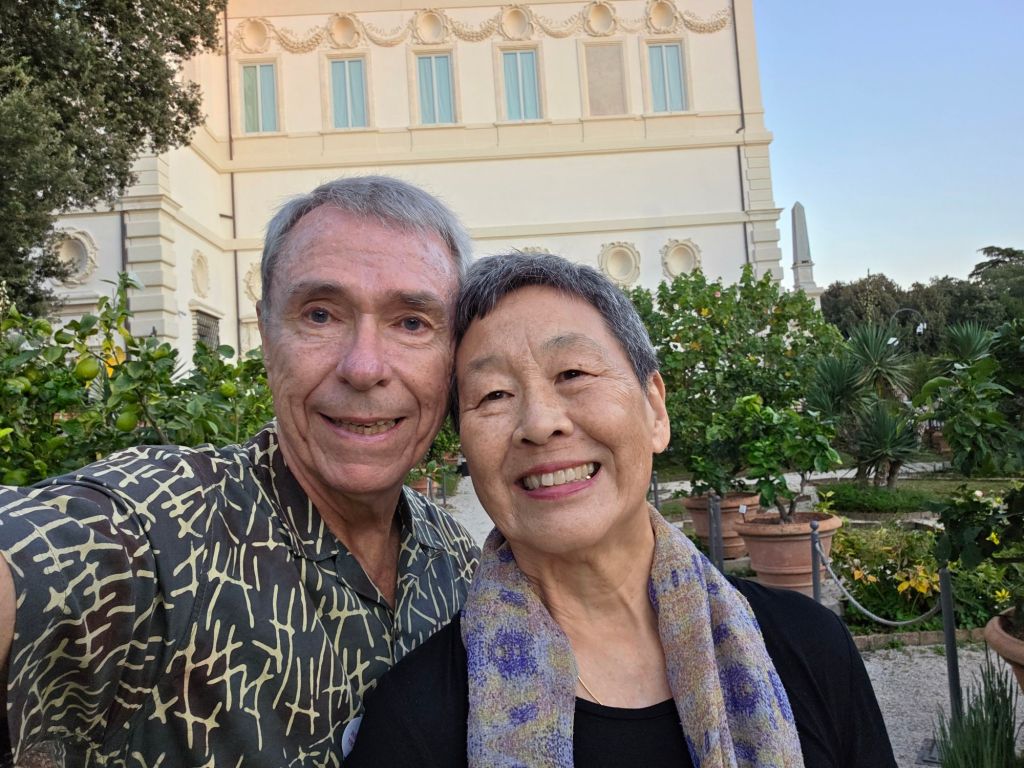
Outside the former “party house” of the immensely wealthy and powerful Borghese family, now the museum. At least this guy had some level of taste.Saint Jerome: Carravaggio used real -life models of ordinary men and women off the streets to create his incomparable paintings.Bernini turned cold marble into pulsating flesh and blood.Carravaggio also used himself as a model, as in this portrait of a young John the Baptist. The Borghese owns eight (8) Caravaggios, all of which were miraculously in house when we visited!
This blog post will close with a short mention of another Italian city we visited briefly: Bologna. We basically had to go to Bologna in order to catch a train into Ravenna (see other blog post) so we spent one night there. On the plus side: Basilica San Petronio and Museo Archaeologie’s interesting and important Egyptian collection (mostly purchased from dealers). On the other side: a B&B host who was NOT courteous or helpful, a broken lock threatening our access to our room, and a monopoly called Bologna Taxi that promised but failed to send a taxi (no Uber.)
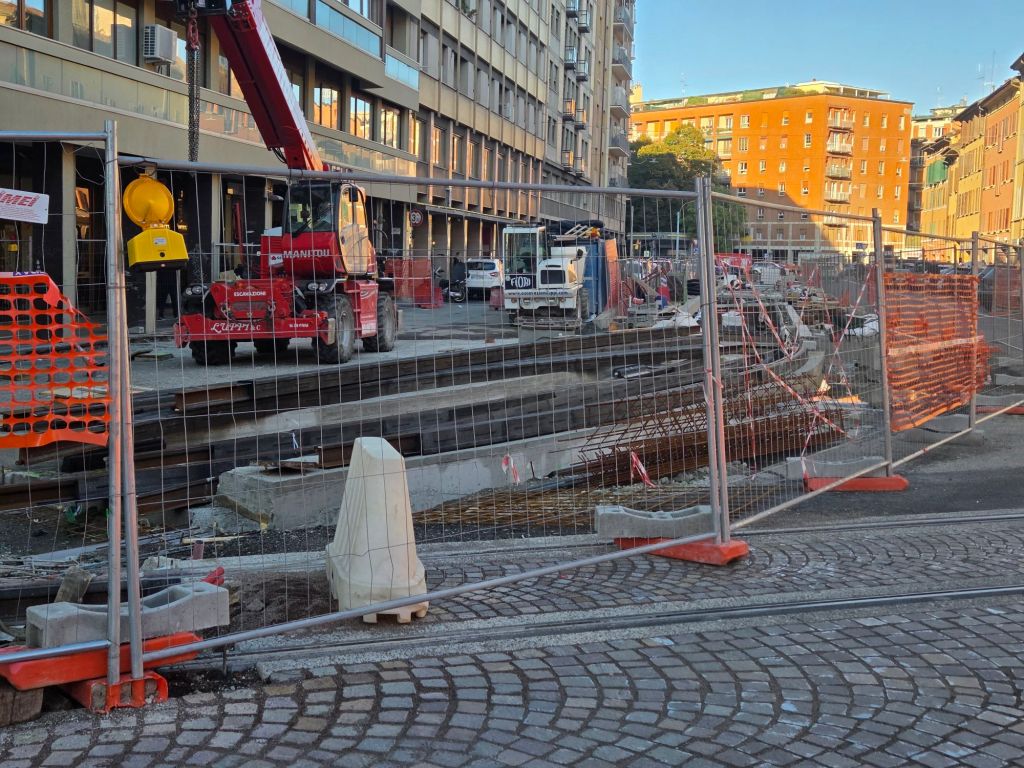
On the plus side: tortellaci stuffed with pumpkin (the green one) and tortellaci stuffed with mushrooms in neighborhood family joint in Bologna. Tortellaci are a local specialty, giant tortellini, made from 4 inch squares of pasta.On the not-plus side: lots of streets and sidewalks torn up for construction and a non- functioning Taxi Bologna system combined with a broken lock on our B&B’s front gate.
As of October 13 we’ve been in Ireland, the subject of the next post and our last stop in Europe before return to the US. (We’ll be in DC from late on October 22 until October 28 and in Naples, Florida from late on October 30. (In between we’ll have 2 days in Minnesota.)
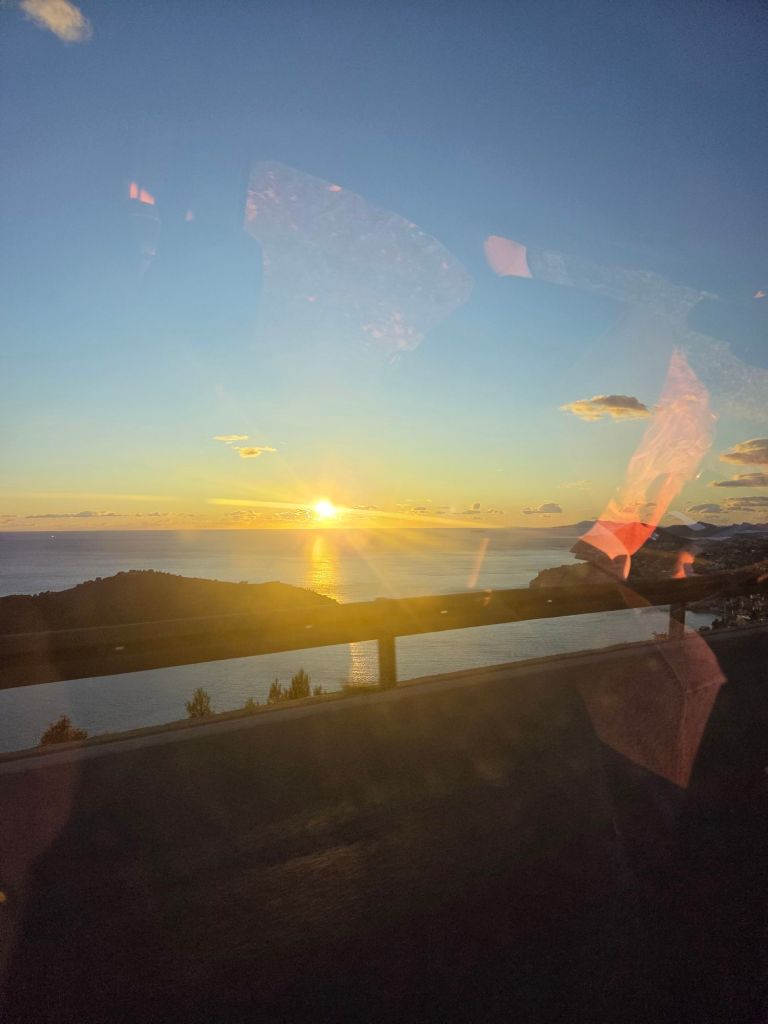
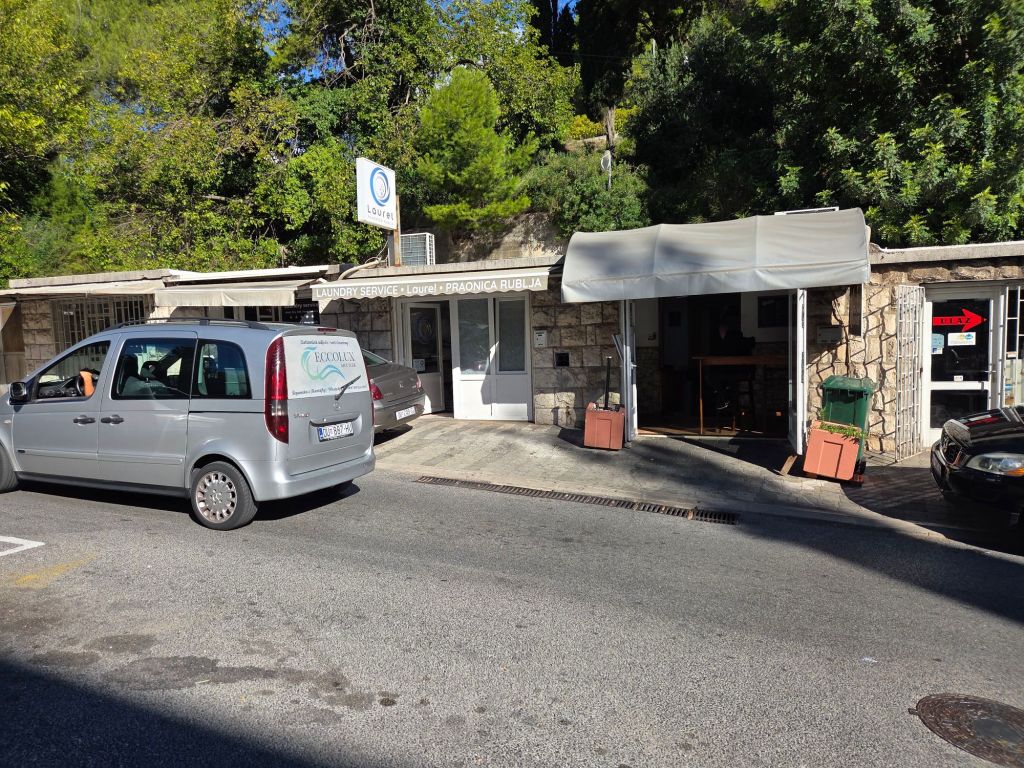
Sunset over the Adriatic upon arrival at Ćilipi Airport on the way down and into DubrovnikNext morning: after misdirection on the internet we were happy to find the laundry, 15 minutes from the hotel, which dealt with a large pile of pent-up demand. Like many other buildings in the “new” part of town, it was a prefab structure. We were off to a good start in Dubrovnik.
To explain why we went to Dubrovnik, go back in your mind to the pre-Covid era. At that time, Ed and I had begun to plan a rail trip to parts of Central Europe (formerly known as Eastern Europe) that we had never visited. Since those plans were quashed by the pandemic, more recently we have inserted some of these places into other trips; for example two years ago we visited Krakow, Poland (and our dear Camino friend, Lukacs) and also Prague.
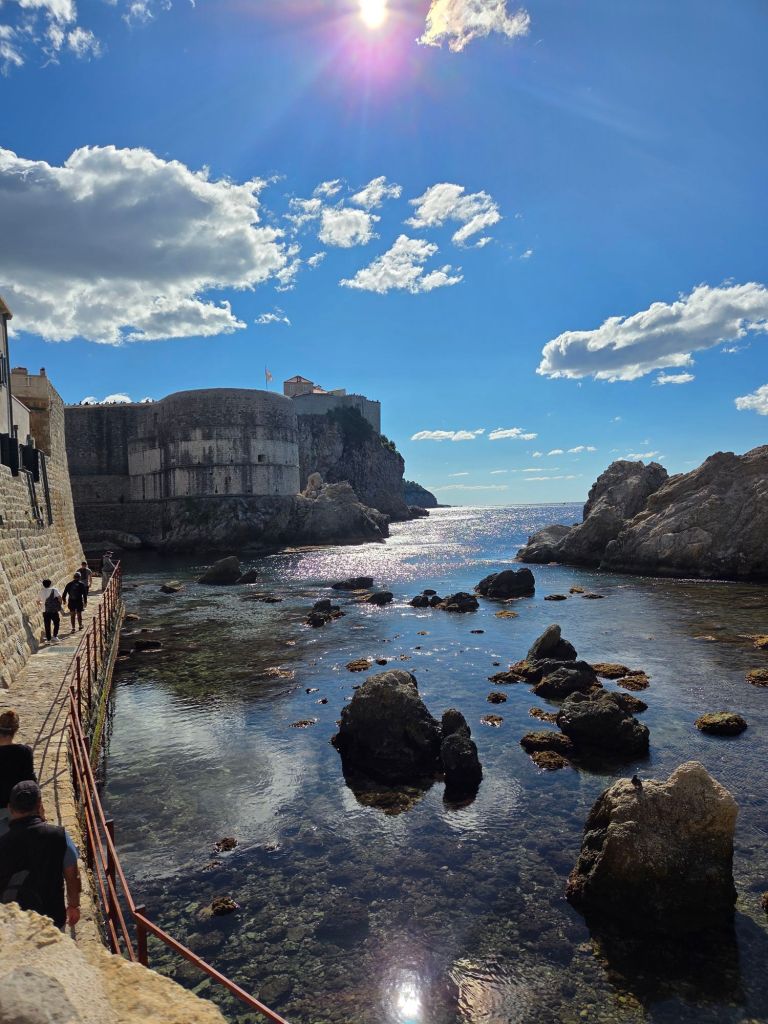
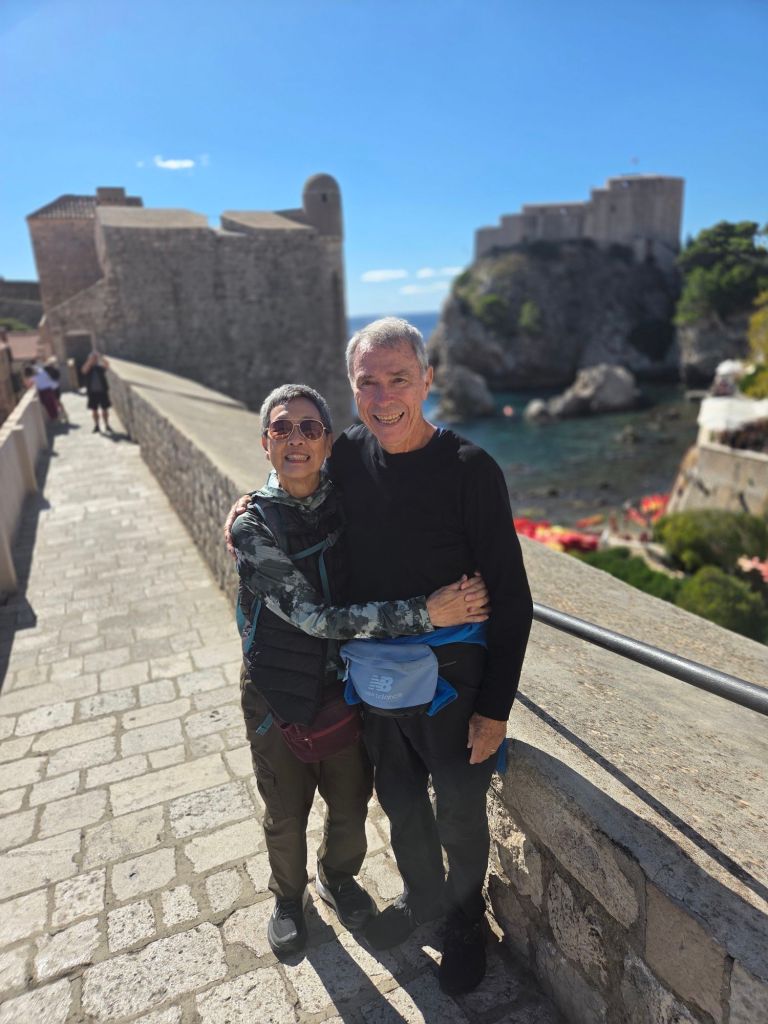
View from Dubrovnik defenses. Believe it or not, this photo is not doctored. The water is startlingly clear.
Last week we went to Budapest as part of this Central Eutopean exploration, and on Wednesday we went to Dubrovnik, Croatia, on the eastern coast of the Adriatic. Since our start point was Ravenna, a difficult-to-reach place in northeast Italy, we first traveled by train to Bologna and then to Rome, then flew from Rome Fiumicino Airport to Dubrovnik. Ryanair (and other low-cost airlines) make this affordable, if not streamlined. Rather than fly, i would have liked to take an ordinary ferry with the locals but apparently they stop sailing in September.
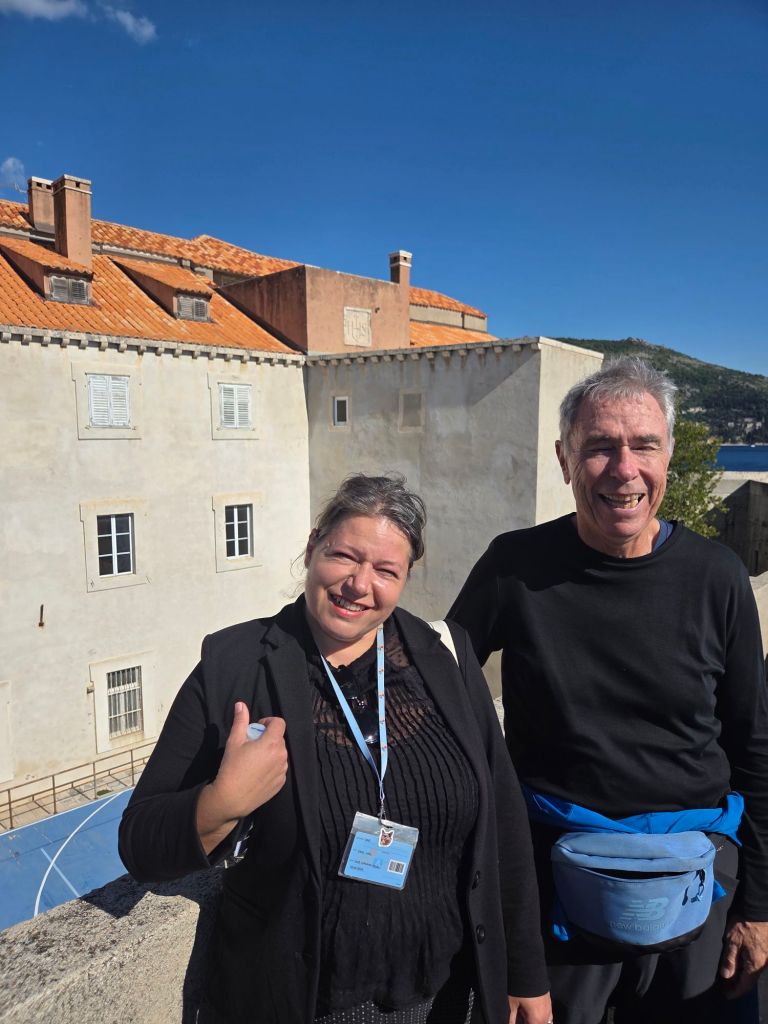
Our flight almost didn’t make it to landing at our chosen destination due to high winds. The pilot circled 6 times before landing over the mountain into the valley of the airport with a rush of acceleration. We were glad to land safely and feel the sun again.Our wonderful guide, Nina Obad, whose family has always lived in Dubrovnik and the surrounding area of Konavle.
Our guide, Nina, recommended to us by a Broadmoor friend, greatly enhanced our enjoyment and learning. She explained a lot about the Republic of Ragusa, based for hundreds of years in Dubrovnik, and its maritime dominance. Most importantly, Nina shared her personal stories from the War of 1991-1996 when the Yugoslav National Army attacked mostly civilian Dubrovnik. She was 13 when the attack and bombardment began and she lives today with the memories and aftermath of war.
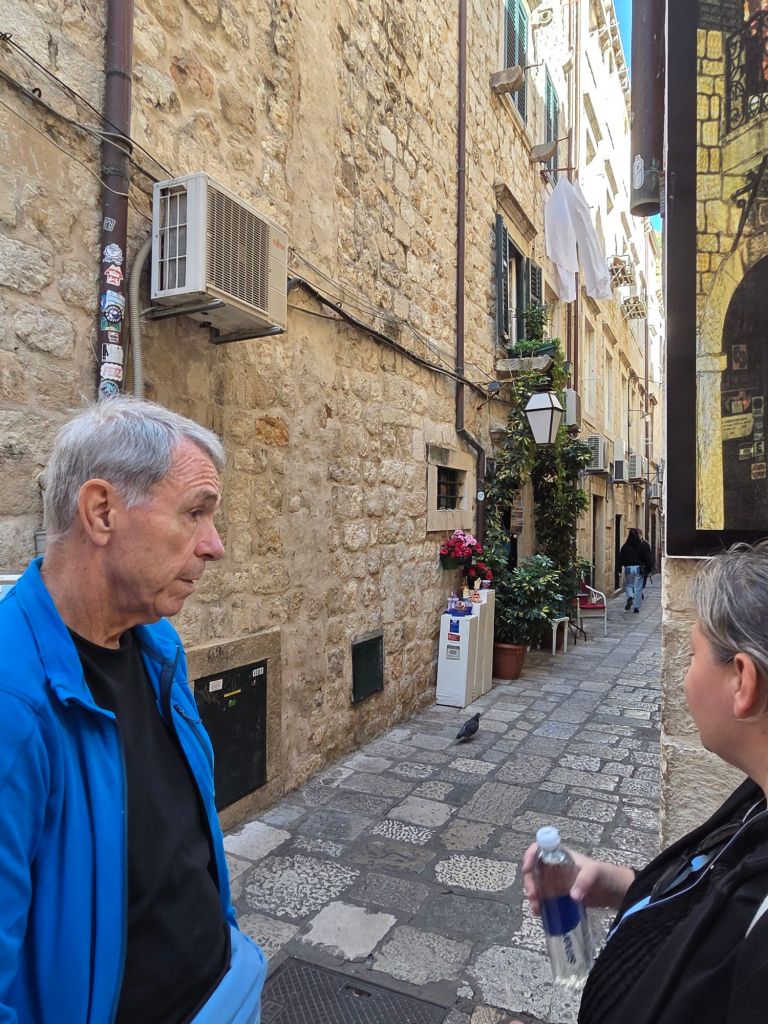
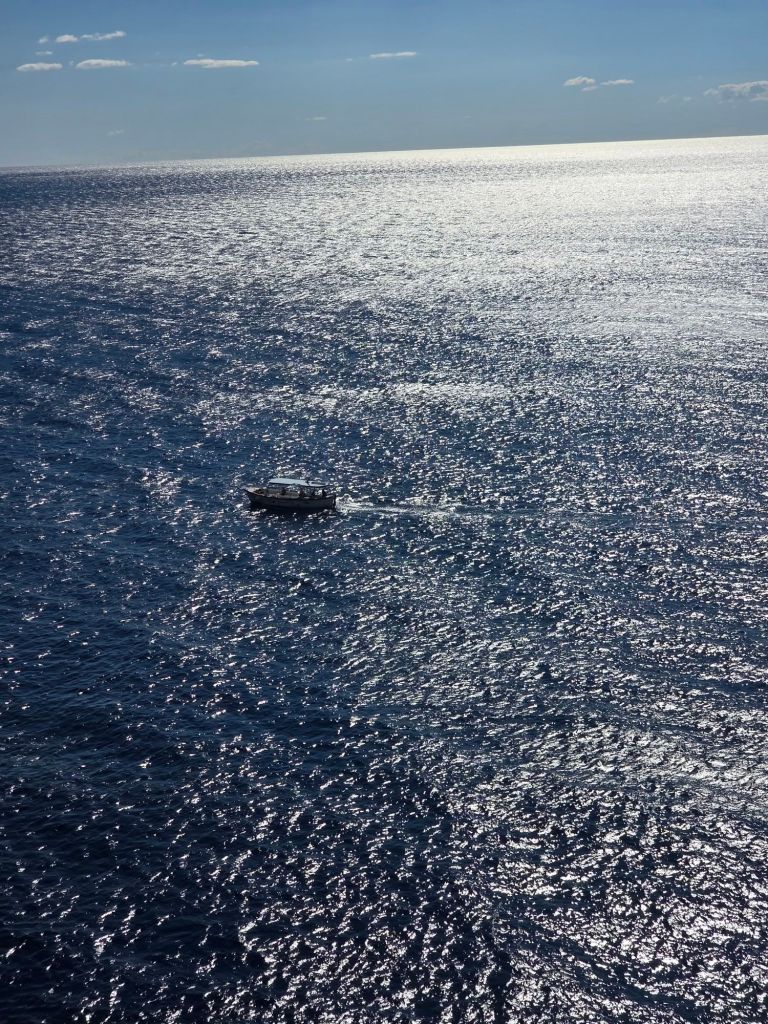
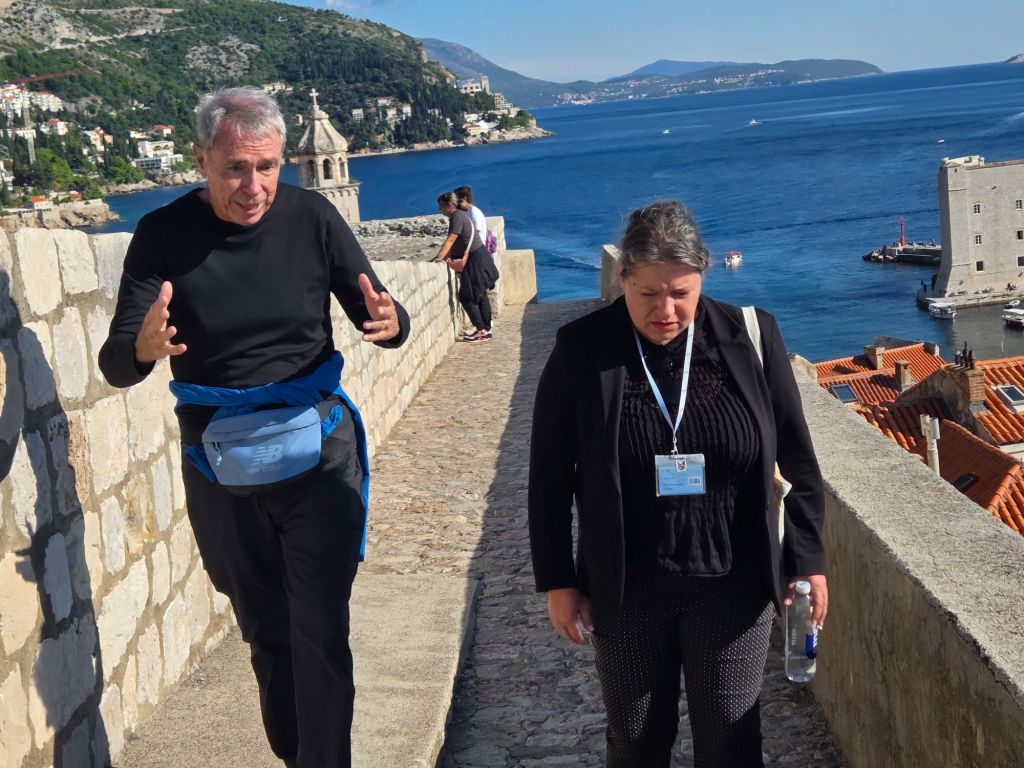
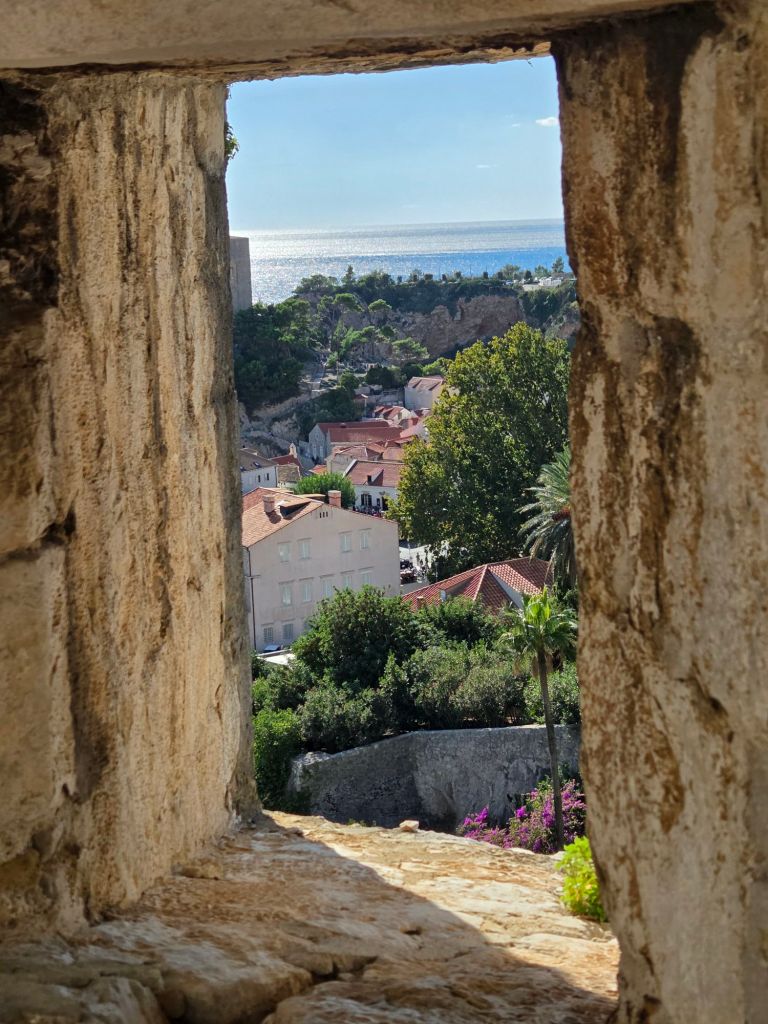
Nina lives on this street with her husband and two children. The older child is now 20 and she is studying in Zagreb to be a doctor, the younger is 14.Adriatic sparkles from Old City walls.Ed shares some of his views with Nina.Looking through an opening in the wall.
We were glad for our physical training from the Camino as Nina took us on the demanding circuit of the Old City walls, which are still complete and include a lot of steep steps. At one point Nina greeted a couple sitting in their small terrace abutting the wall. It was her former violin teacher and her former math teacher, enjoying their generations- old family home. (Like Ed, Nina is a product of a Jesuit education! Ed went to BC High and Boston College.)
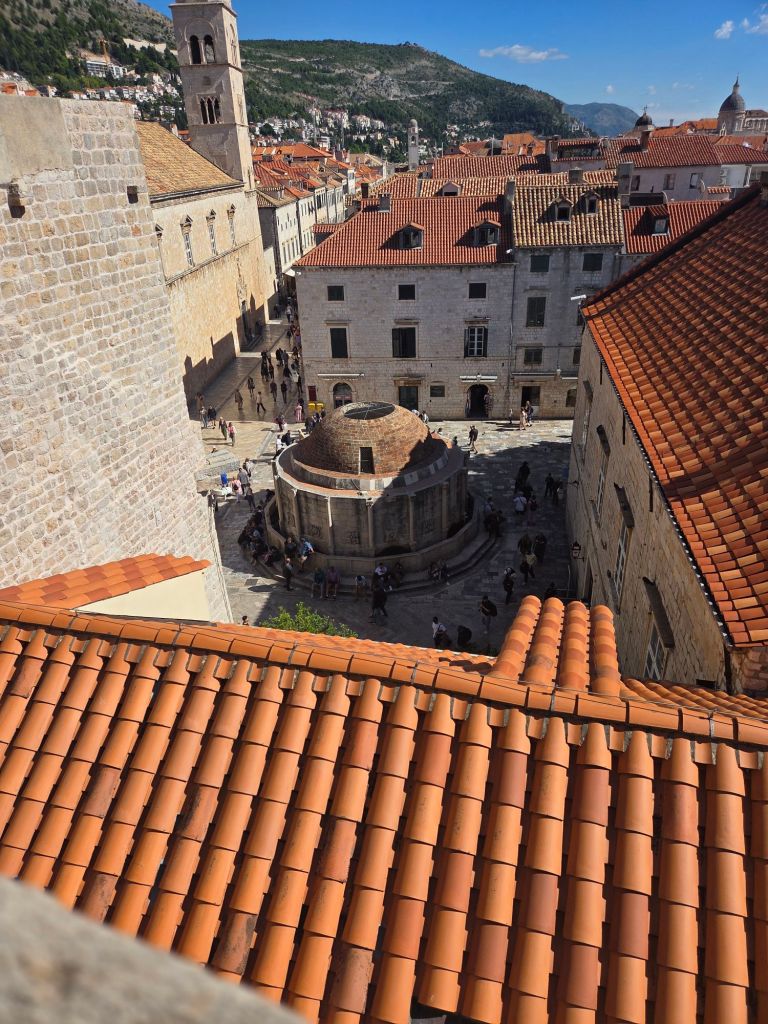
Looking down from the wall into Old City and the well that brings water in a significant feat of engineering. In the middle of framed art at the Franciscan Monastery the round “frame” marks the place that a rocket launched by the Yugoslav National Army hit… but did not not explode.
We learned a lot from Nina about ordinary people dealing with invasion, war, unexpected violence, heroism, loss.
We left Dubrovnik on our third day to stay in a small town called Ćilipi in the Konavle region, near the airport. There is a single road, one lane each way, that hairpin up from the city above the sea, almost unbelievably picturesque but easily blocked by an accident or weather, so we made the drive the day before our morning flight. This turned into a delightful highlight of our visit.
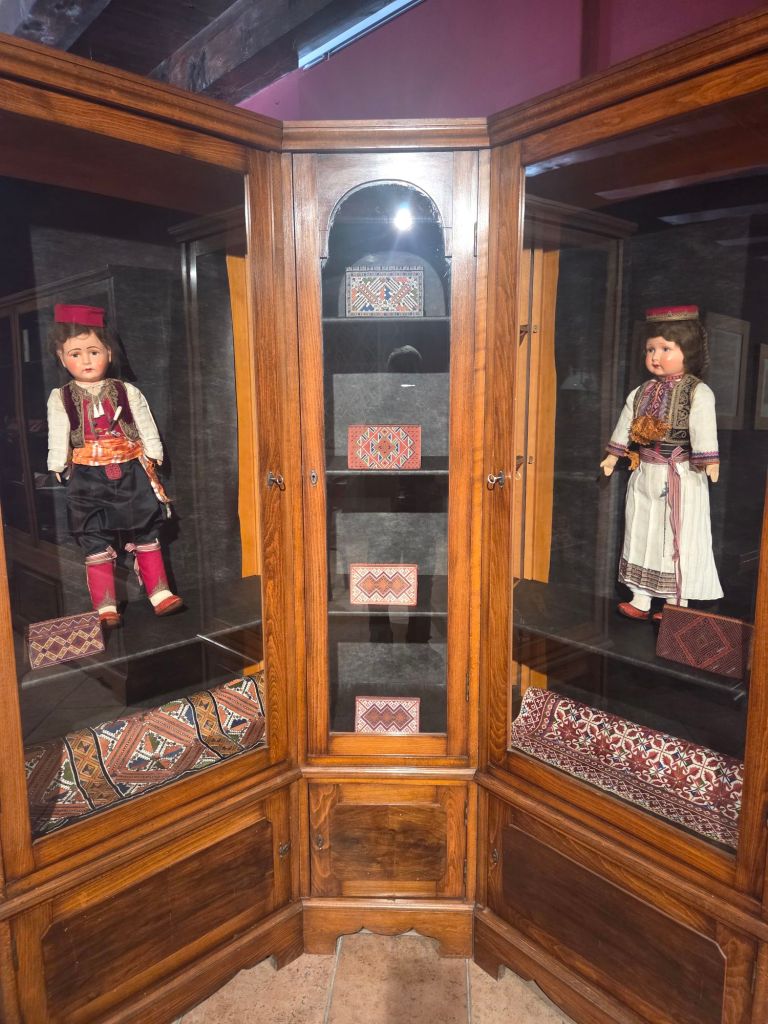
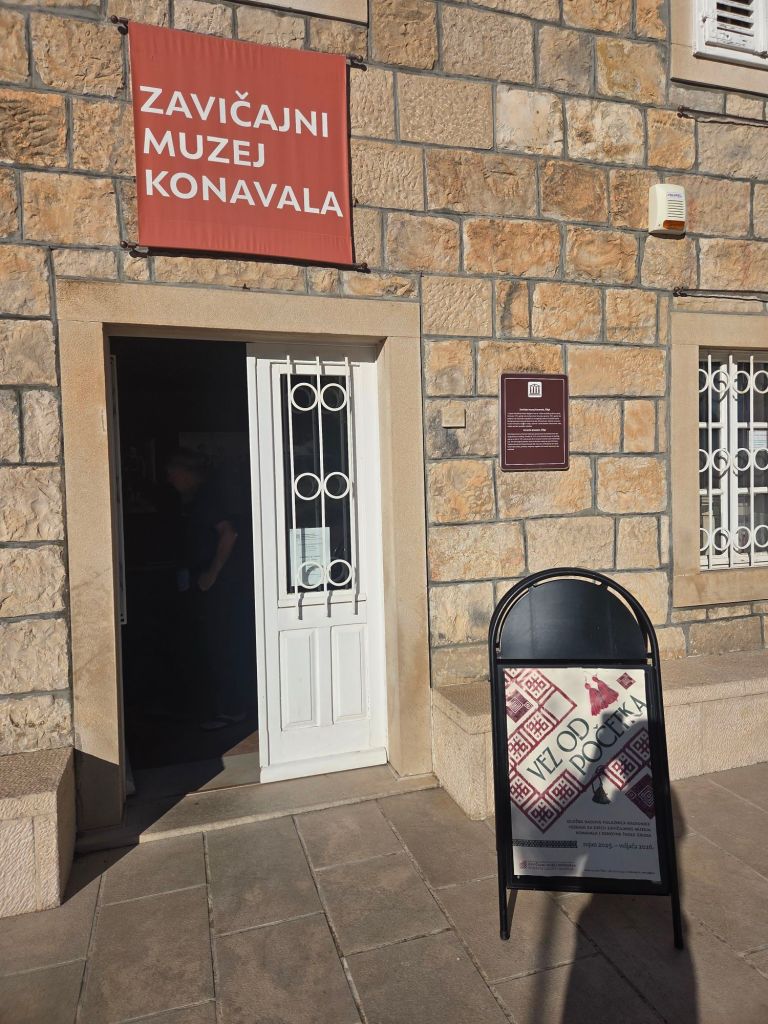
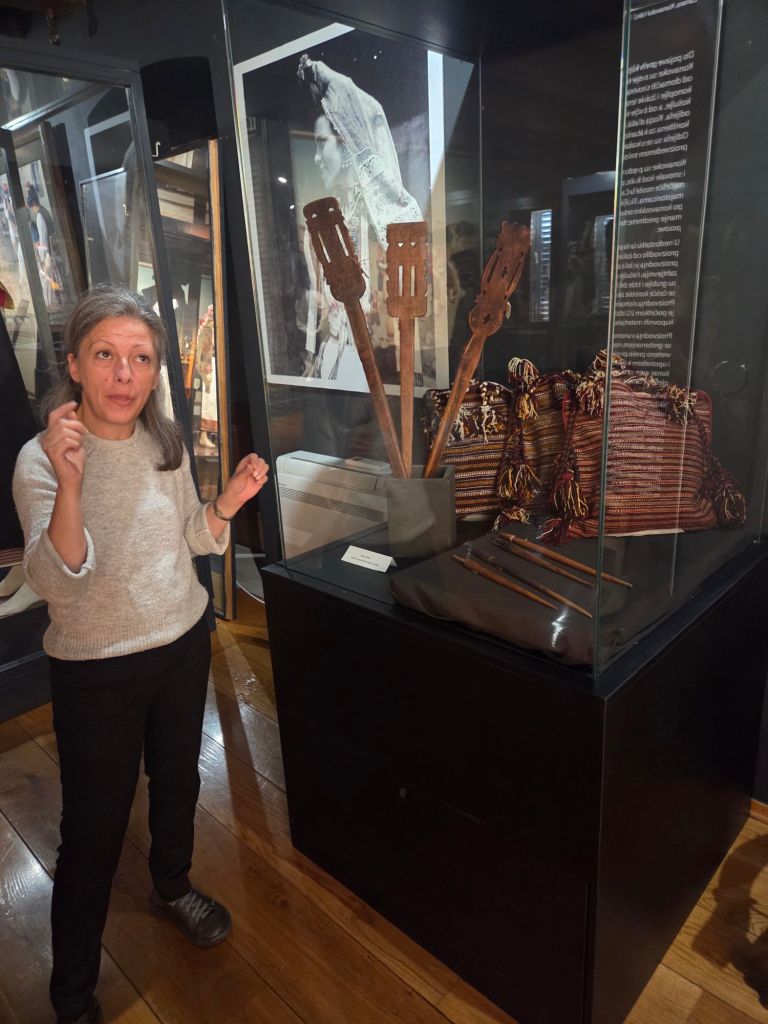
The County Museum of Konavala showcases traditional costumes fairing fine embroidery work by women and girls as young as 5.
Our cousin-in-law, Charles Franich, had told us that a branch of his family had provided land for the construction of Dubrovnik airport. We were able to visit the museum, pictured above, which preserves and perpetuates local costumes and traditions, little changed for hundreds of years.
With her grace and enthusiasm — and impeccable English — all Croatian children study English starting in first grade — the museum’s director Dragonika imparted an appreciation for the beauty of the embroidery and its significance for the lives of girls and women of the countryside. Incidentally, our guide, Nina, also had a grandmother from Konavle (or Konavala).
Our flight from Dubrovnik back to Rome, only one hour, fortunately contained none of the excitement and drama of our arrival in high winds.
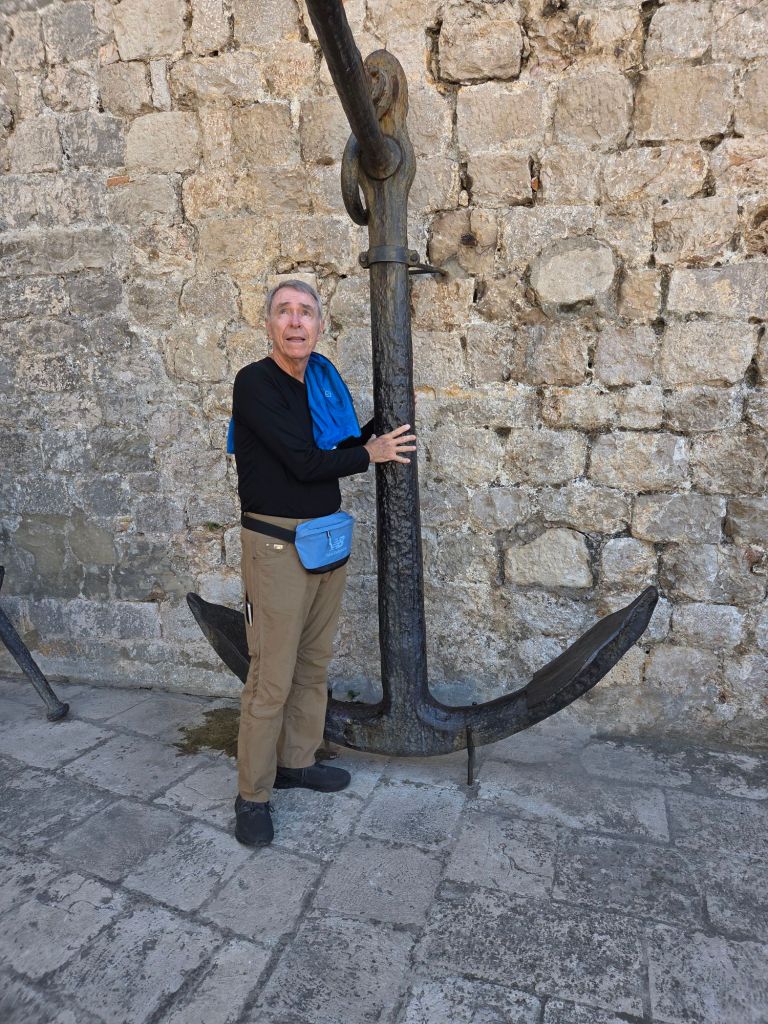
Dubrovnik and the Republic of Ragusa drew their strength and distinction from the sea.
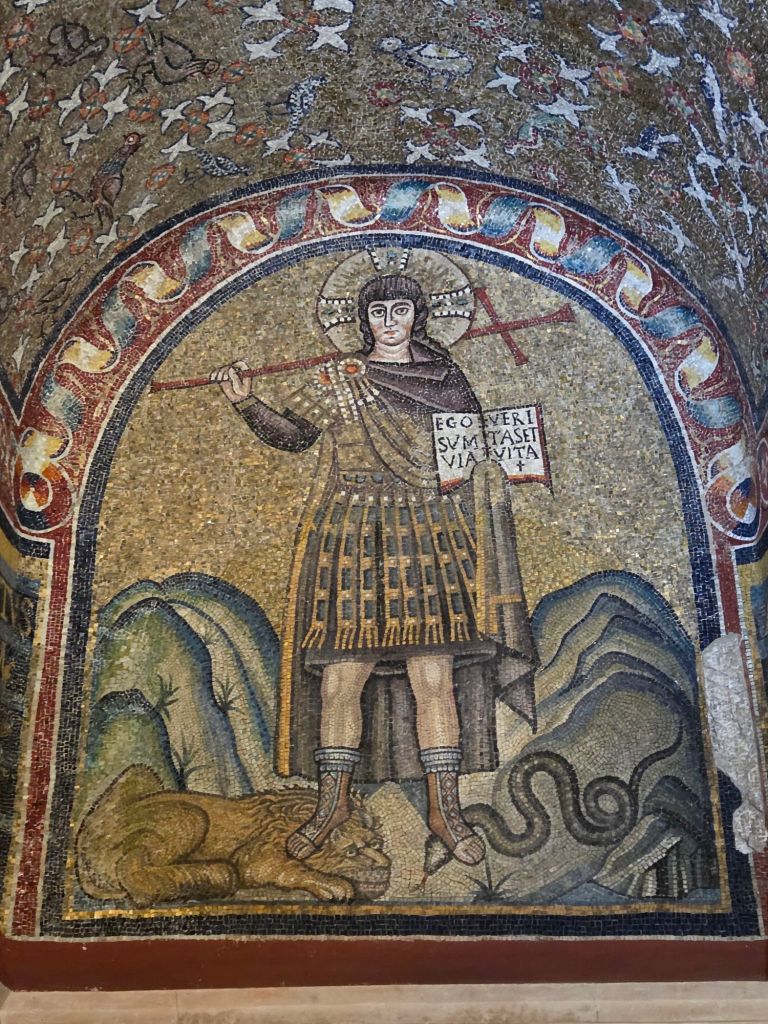
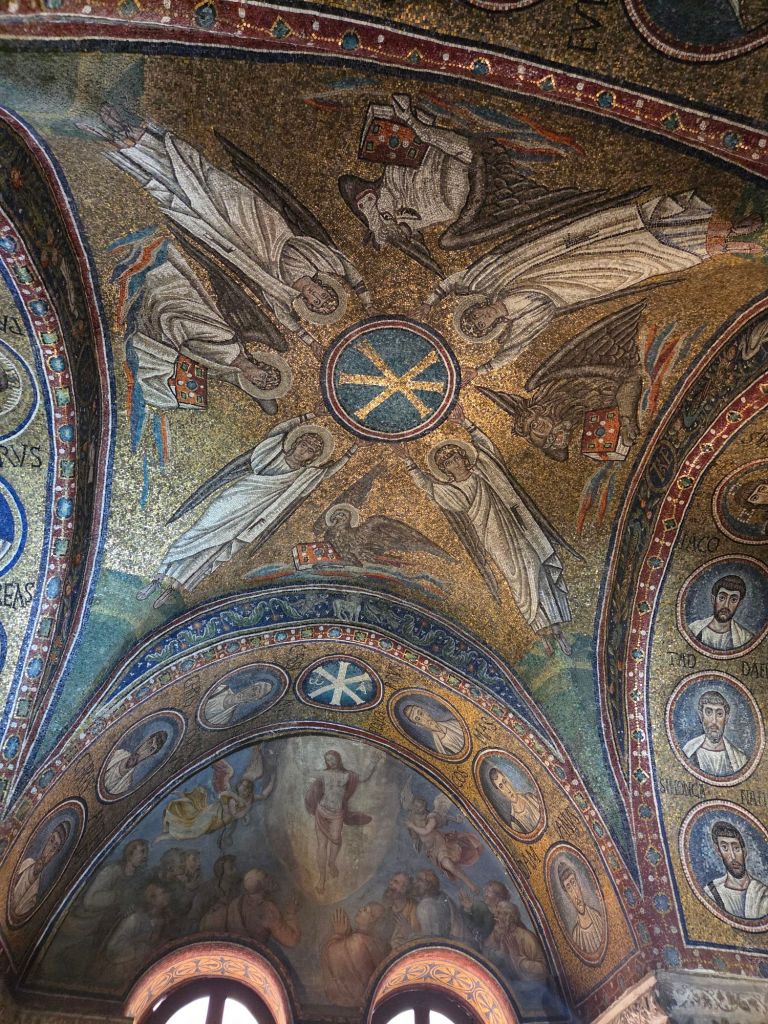
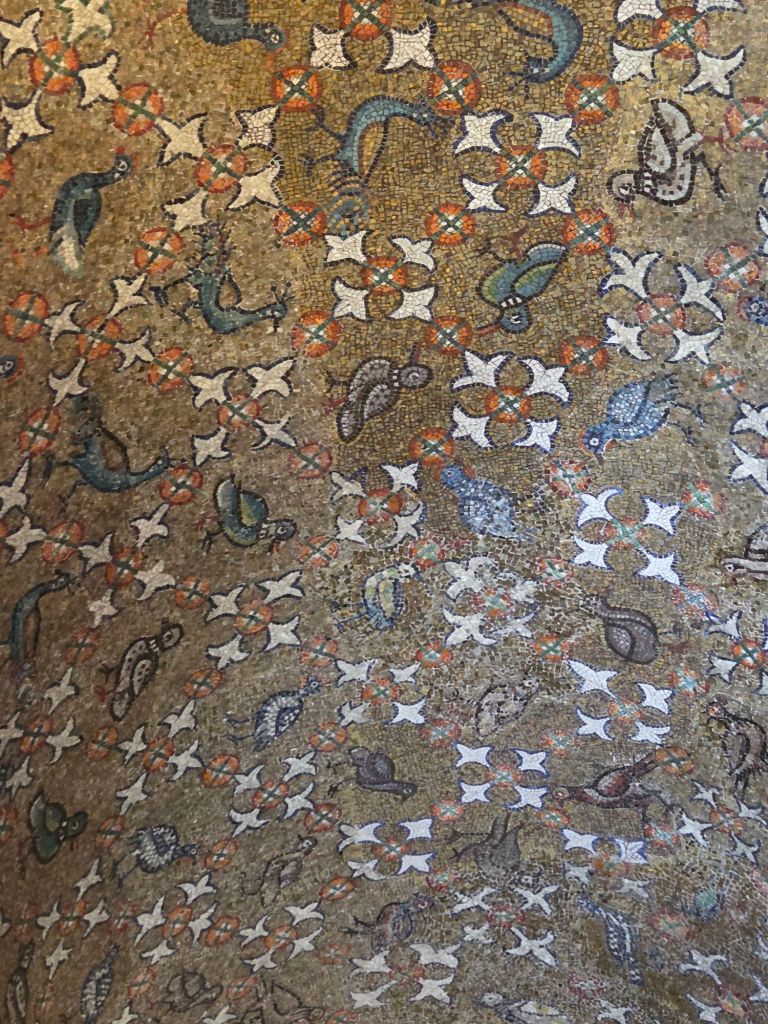
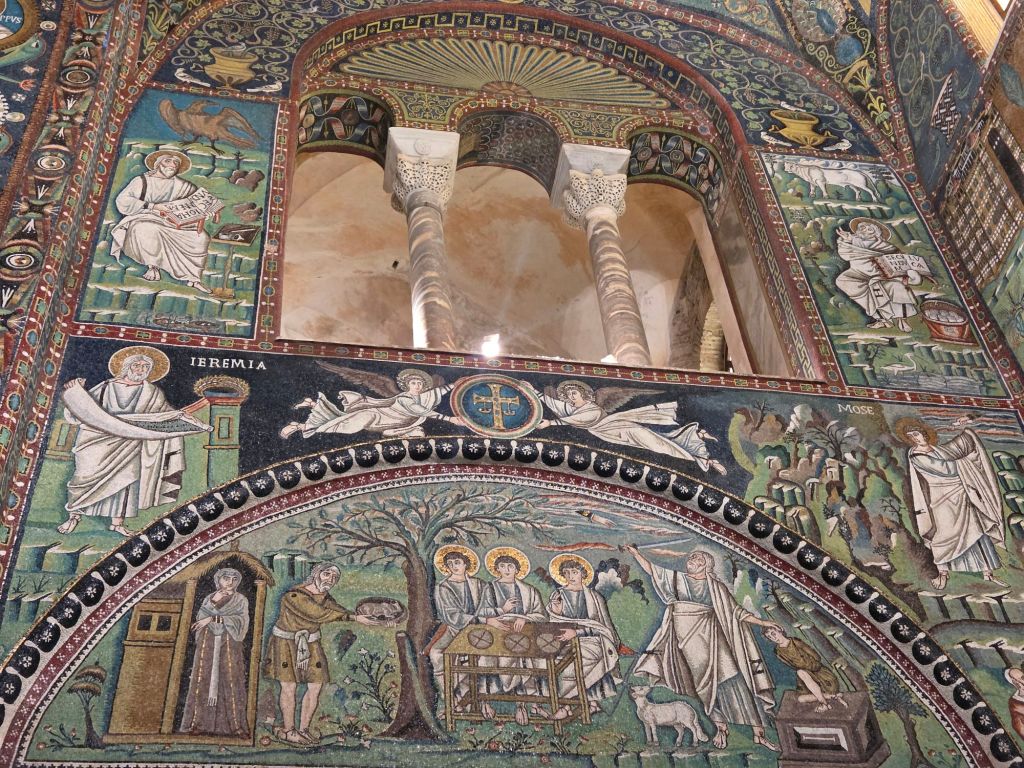
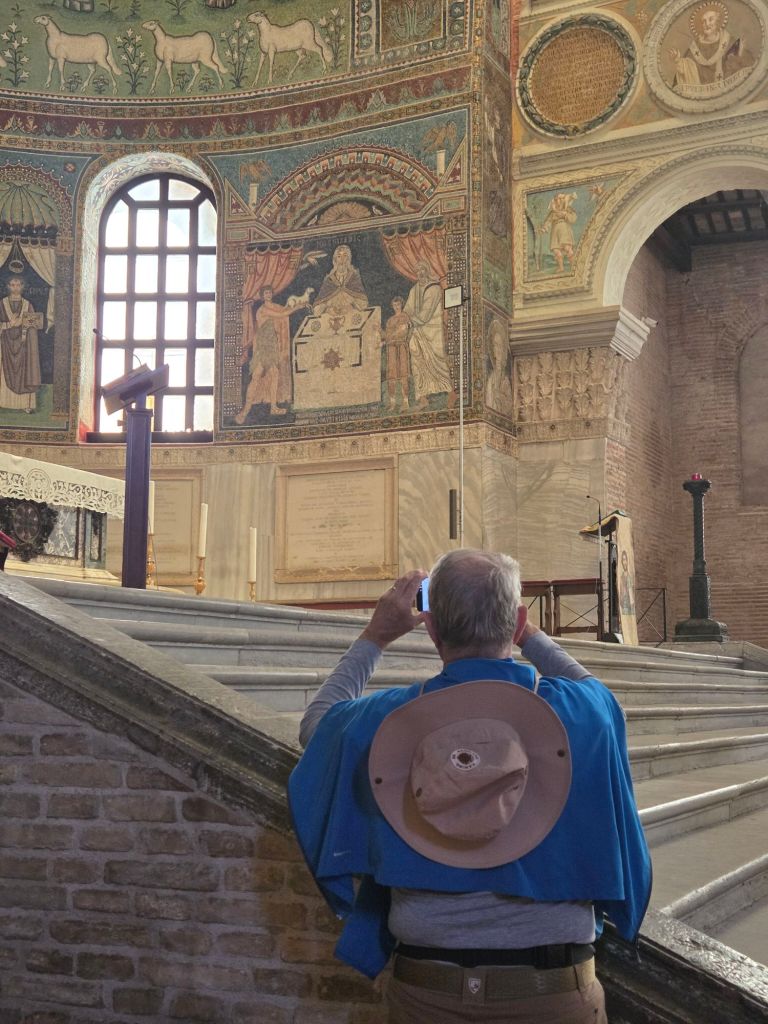
Christ (chi rho in the center medallion) surrounded by the four Evangelists and their symbols. Scattered among the stars are birds signifying resurrection (peacocks) and faithfulness (Egyptian ducks)
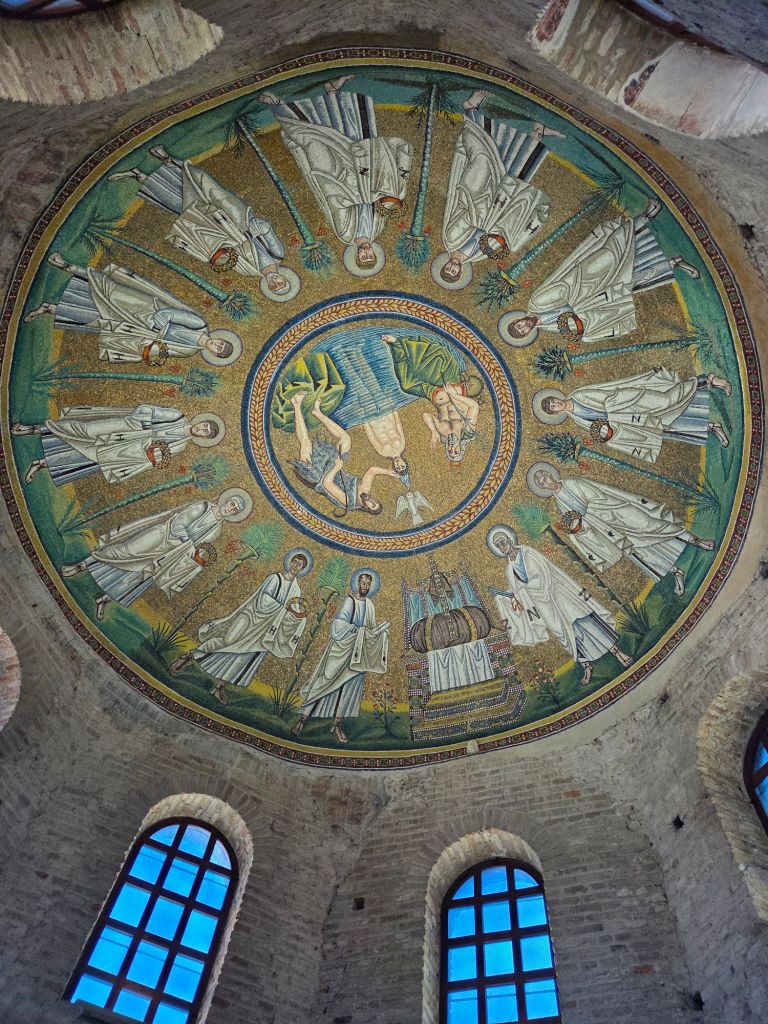
You know that we have long been set on visiting Ravenna, capital of the Western Roman Empire from 5th-8th centuries CE. Our 4 day visit to this lovely and unspoiled small city was even more wonderful than we hoped.
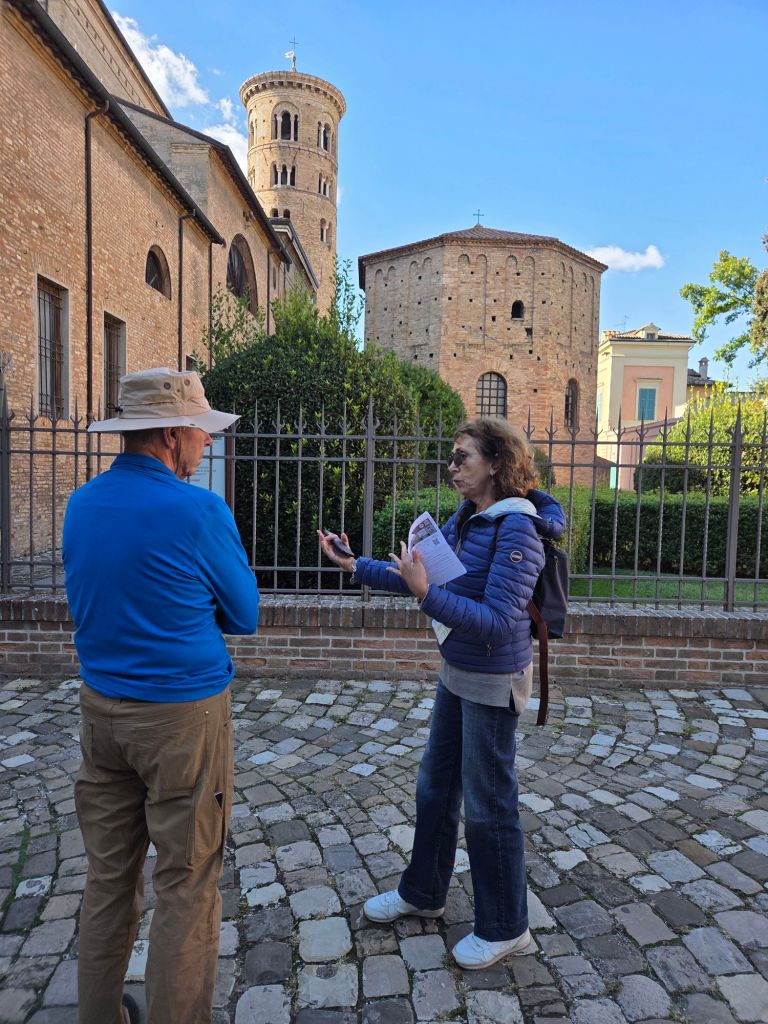
Listening to our excellent guide, Angela Malnieri, herself archeologist, high school teacher of history and lifelong Ravennati.
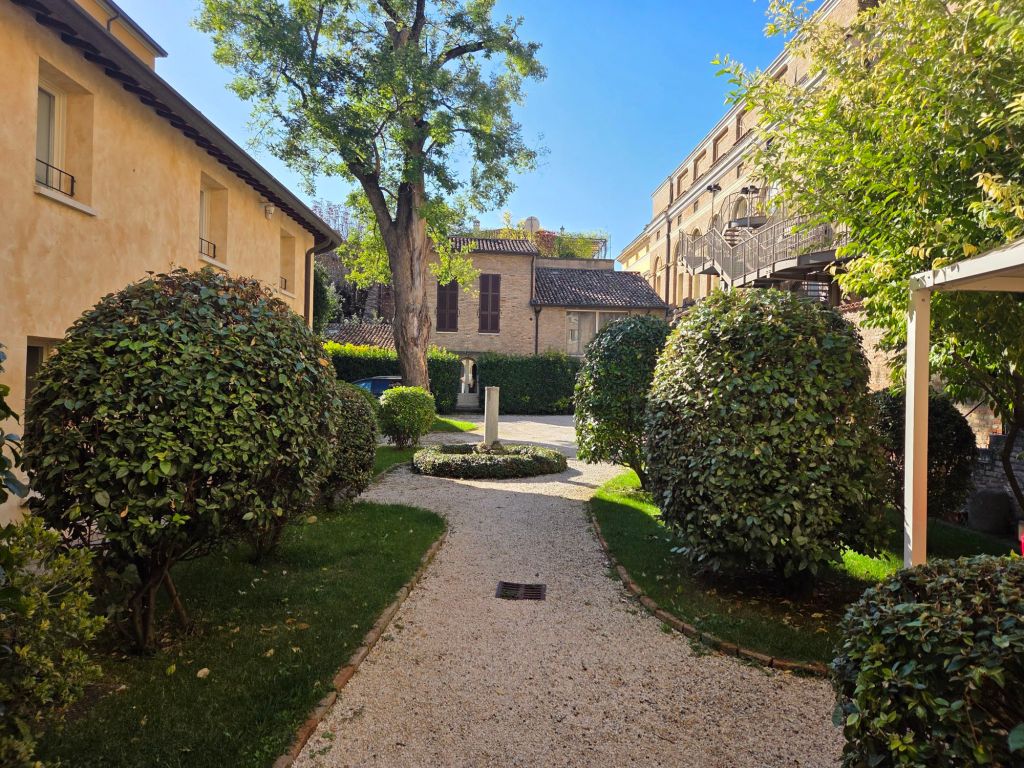
With an excellent and thoughtful introduction by our local guide, Angela, we fell into a comfortable relationship with the city. Ed chose a fantastic Hotel Gironda — not really a hotel but a stunningly restored medieval townhouse as a B&B — which is in the historical center.
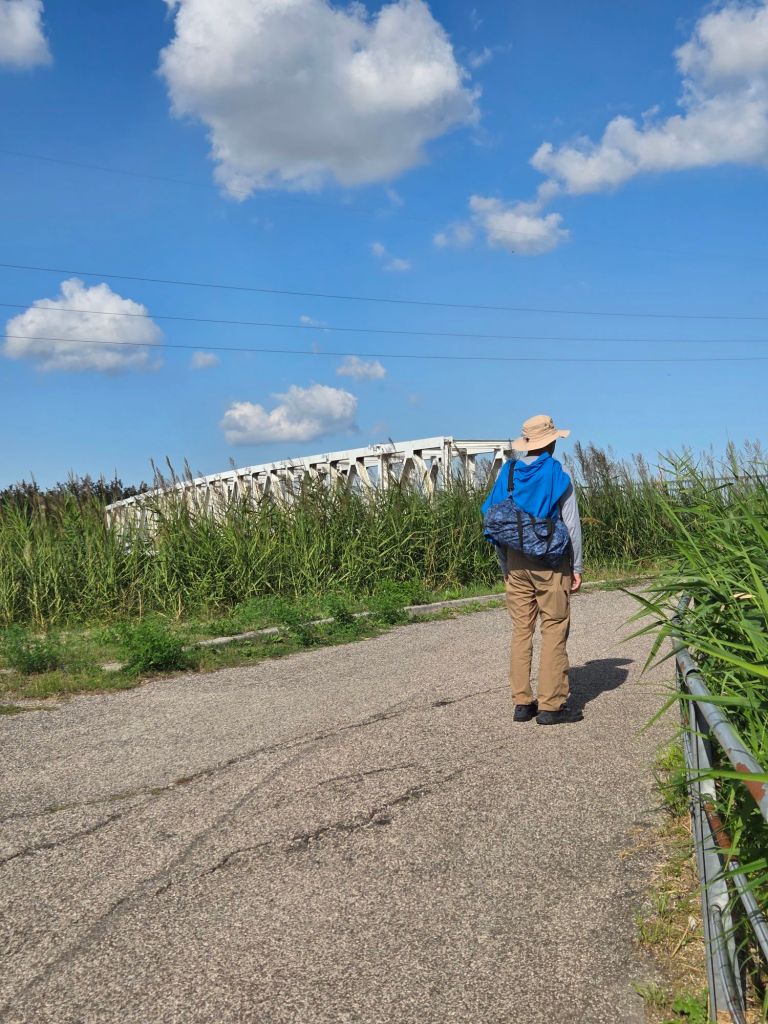
On the way to Classe
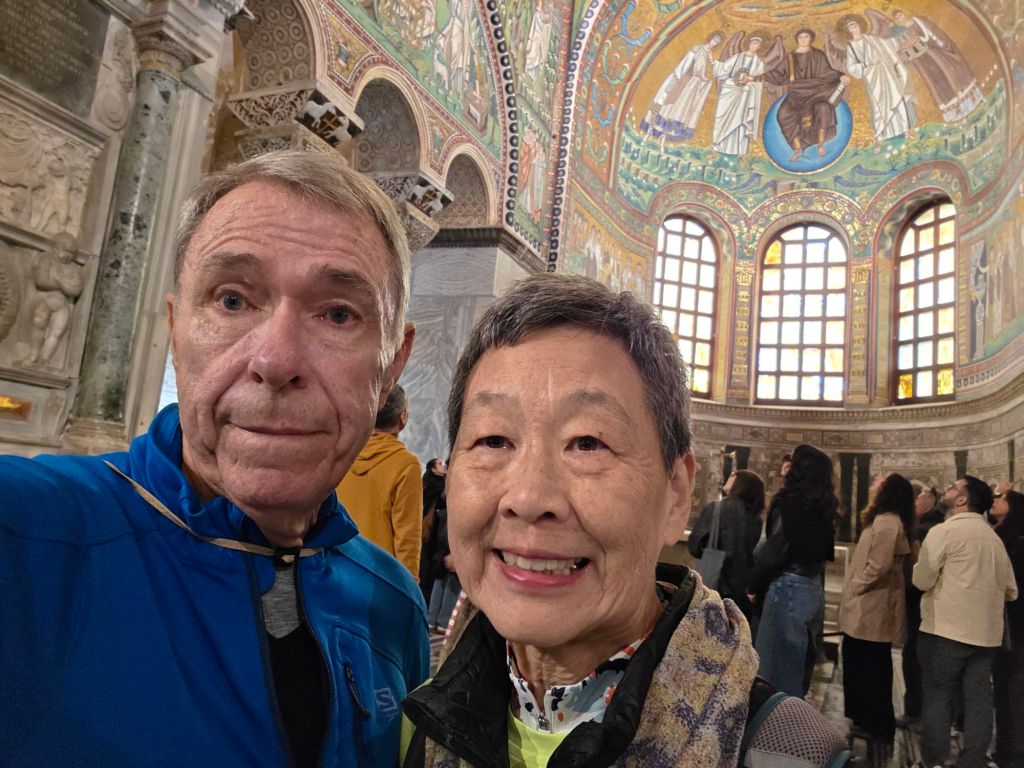
On our second day, we decided to trek to an important site, Sant’ Apollinaire in Classe, 6 km away. Partly we are still into the rhythm of walking 15,000 steps a day on average, and partly because there was a local, one -day strike by government employees and students (so no bus service.)
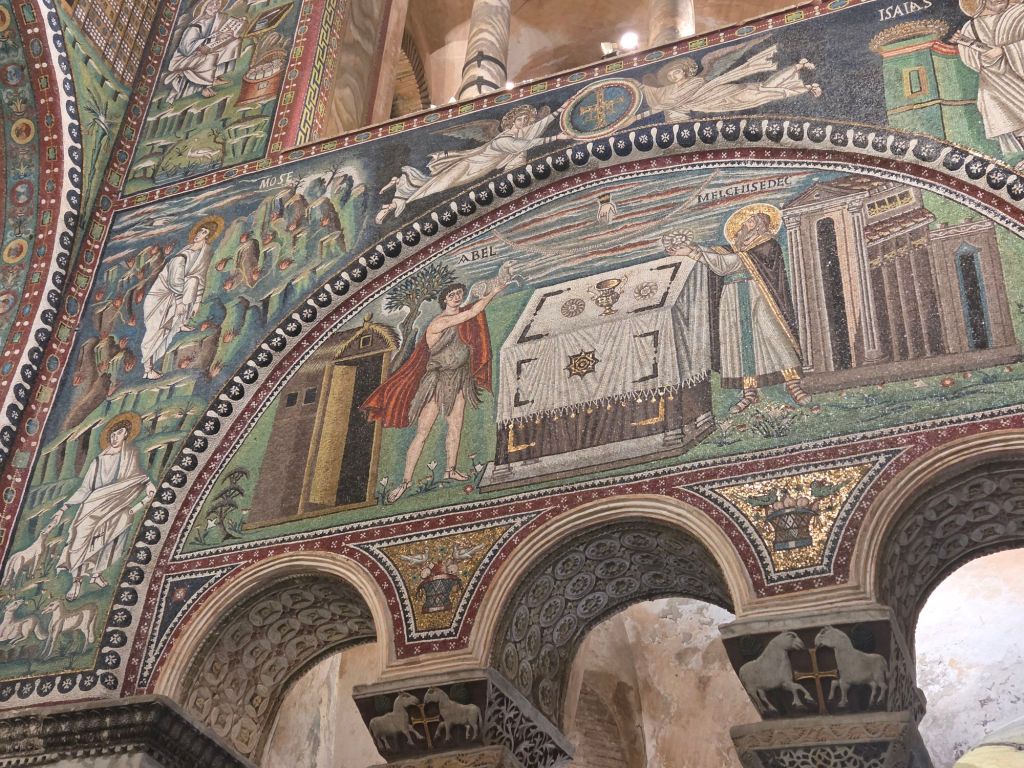
Abraham and Sarah entertain the three mysterious guests.Sacrifice of Abel (left) and of Melchizedek (right)
While we were in Classe, which was a quiet place because away from Ravenna, Ed suffered an attack from a woman in her 30’s who tried to aggressively pick Ed’s pocket. She was under the supervision of an older woman who stood nearby. This was an unpleasant and so far, once in a lifetime experience for Ed and me.
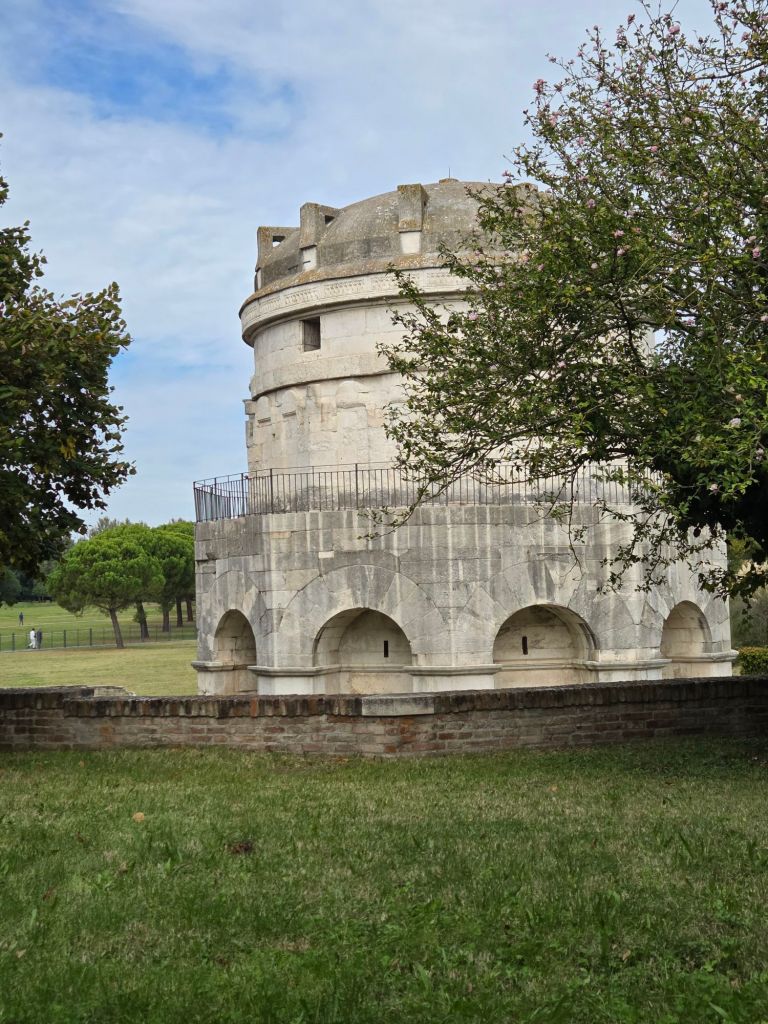
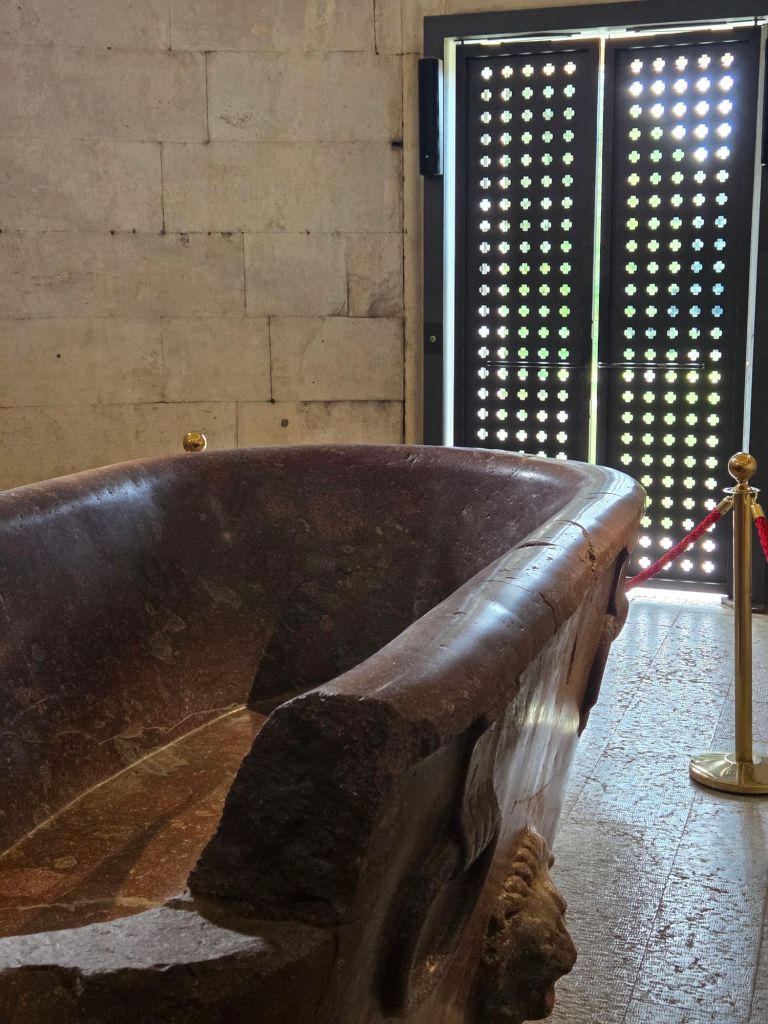
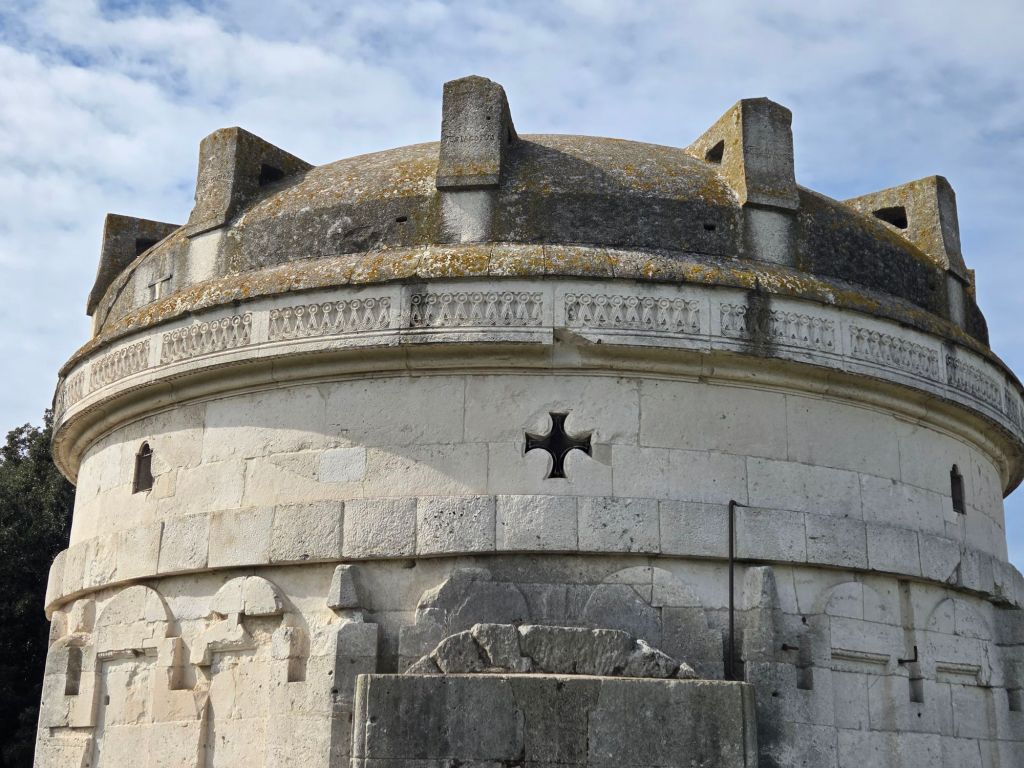
Mausoleum of Theodoric (475-496), Emperor of the Western Roman Empire. He was an Ostrogoth who ruled the Kingdom of Italy for 33 years. The roof of the Mausoleum is fashioned from a single massive stone.
In our last full day in Ravenna, we walked to the Mausoleum of Theodoric, Museo Nazionale, and revisited our favorite sites in the different light, morning versus afternoon, of our first visit. We went to mass in the Church of St Francis (October 4) at the Church of St Francis, an ancient structure with a crypt full of water due to Ravenna’s high water table.
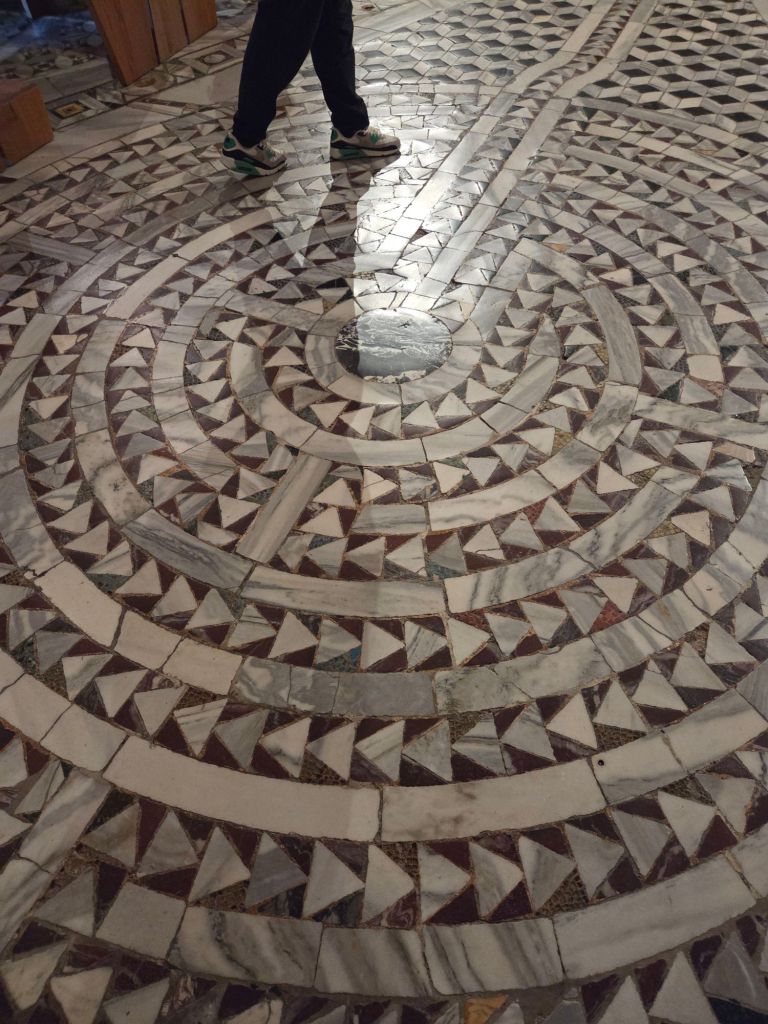
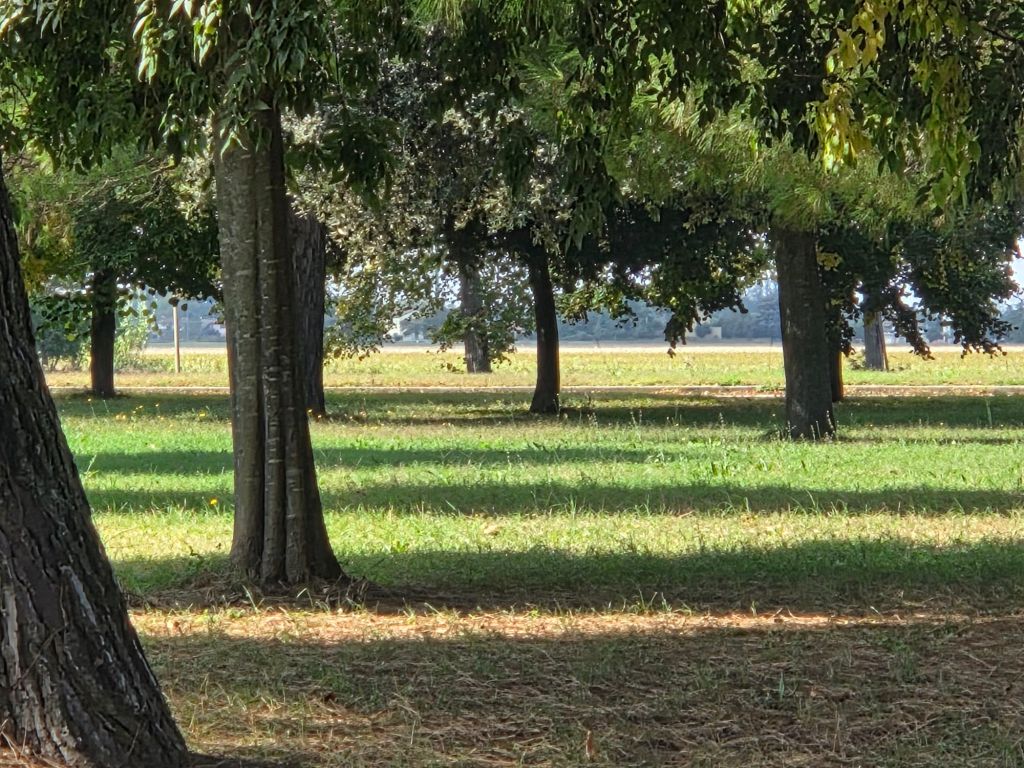
A mosaic floor. The flat landscape of Ravenna and Classe.
Overall our visit to Ravenna revealed a place of ancient beauty created by artists sponsored by imperial rulers of deep and subtle belief. Thanks to the challenges of a watery landscape, Ravenna escaped destructive conquest, flowered brilliantly for 500 years and then fell into a quiet sleep so that we can visit today
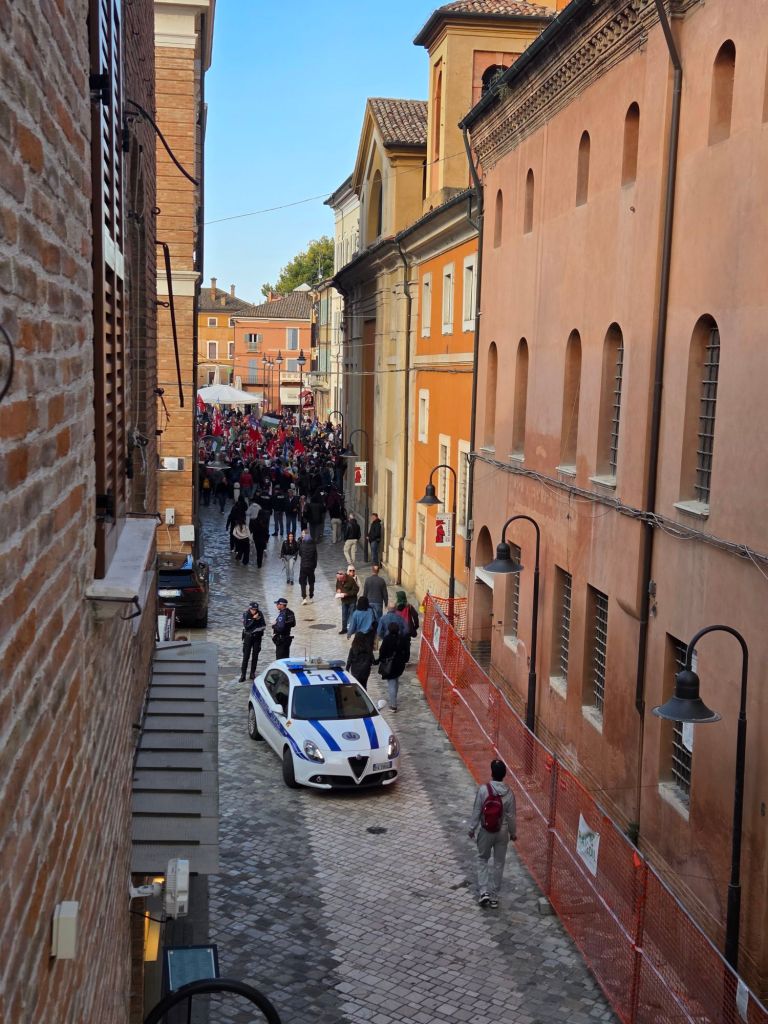
The peaceful courtyard of our B&B which made us feel like Renaissance nobility.View from our window down to the Piazza del Popolo only 100 meters away, filled on Friday morning with protesters for Palestine who had obtained approval of Ravenna city council for a one-day work stoppage to commemorate our visit.
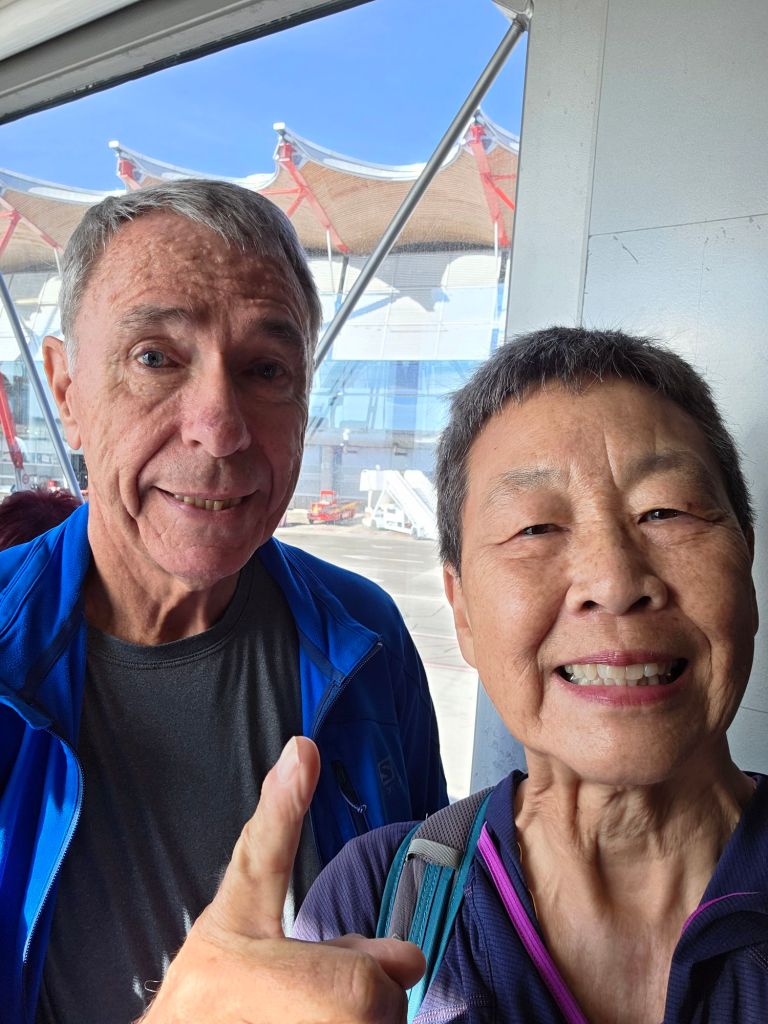
We left the Camino and plunged into the non-Camino world in a good way by discovering that Ed had booked us on Iberia Business Class to Budapest. The photo above shows Ed indicating that we are in Boarding Group 1 from Bilbao to Madrid and Madrid to Budapest. Nice meals served on the plane reminded us of the way air travel used to be!
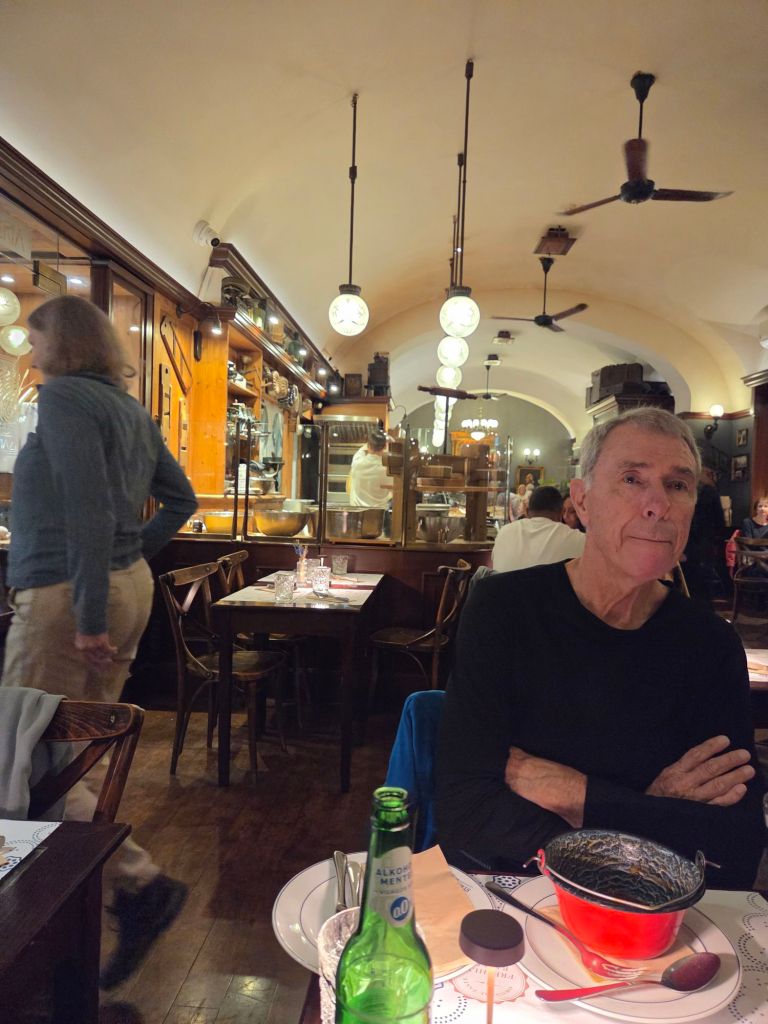
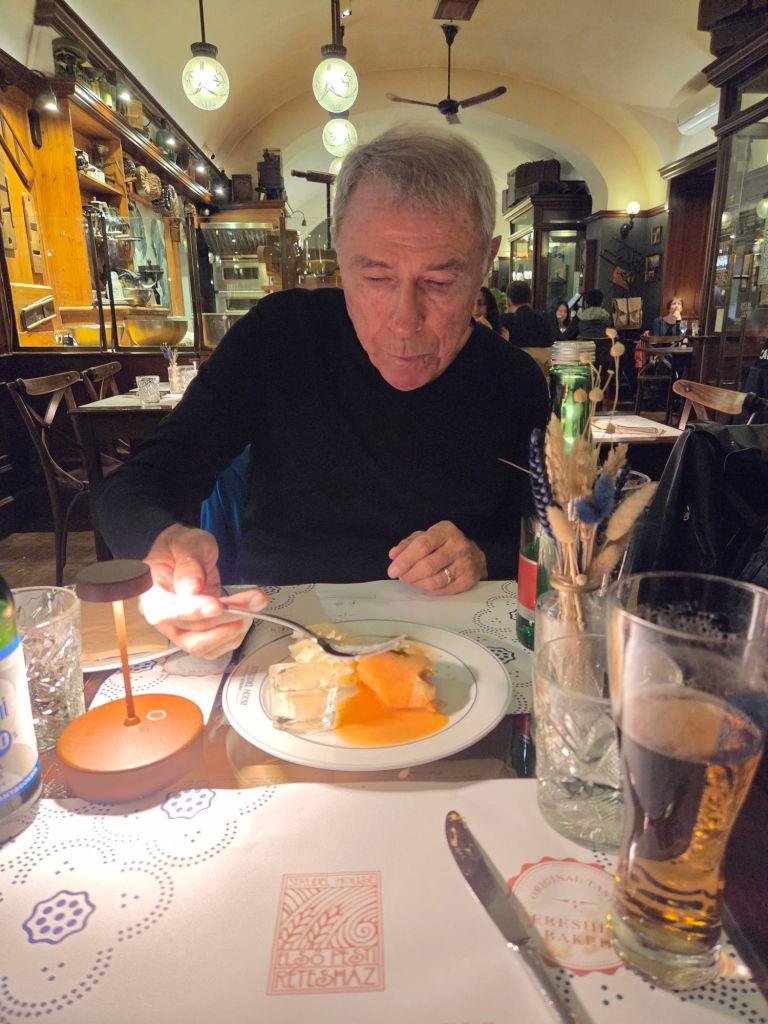
We enjoyed some wonderful meals and sights in Budapest, thanks to Ed’s selection of a great hotel on Andrassy avenue, the city heart. We spend some of our time trying to repair Anne’s cell phone which suffered a fall in the Camino (at least it wasn’t either of us people).
Ed enjoys freshly made strudel.
A very moving experience was our visit to the Great Synagogue and Jewish Museum which taught us about more than 800,000 people were murdered in just 2-1/2 months, the last months before the Nazi surrender. We consider us to be fortunate that we were able to visit the day before the synagogue closed to the public for Yom Kippur.
We left Budapest for Ravenna on September 30 and just concluded a magical visit of four days. Due to the continued weakness of Anne’s cell phone battery, Anne’s photography and blog posting is constrained. The next post will, we hope, describe Ravenna. Today we are in transit to Dubrovnik which we hope to reach by October 7.
“Climax” is actually too noisy a word to describe the Camino (although alliterative). The Camino is more gentle, quiet and steady.
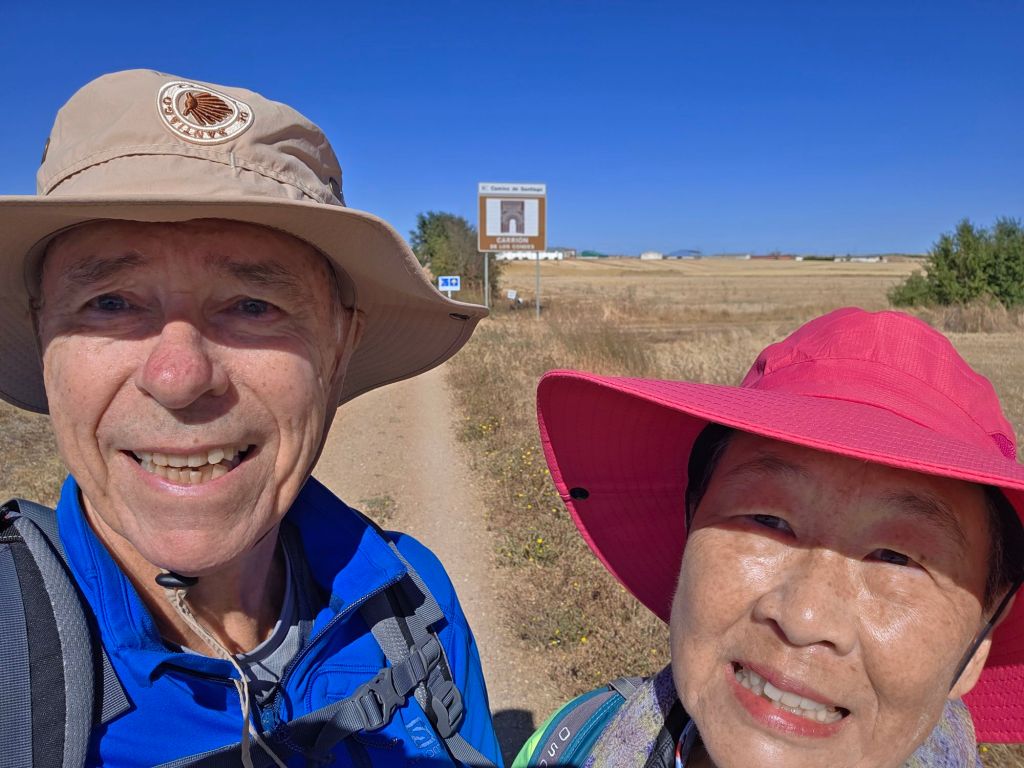
After leaving Burgos we walked for 4 days averaging 10 plus kms to reach our personal end point, not Santiago de Campostela, but Carrion de los Condes. Carrion is near the mid point for the 900 km. Camino -French Way and a place that was spiritually significant for us in 2015 when we first walked it.
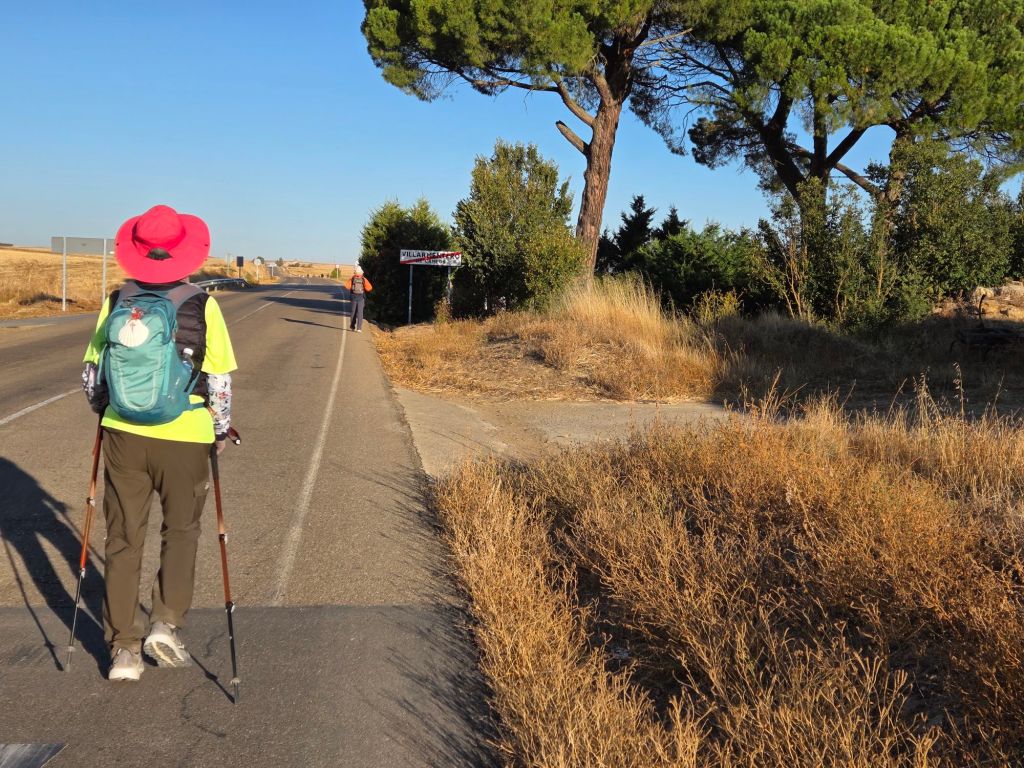
First glimpse of sign for Carrion de los Condes on our 14th day of walking.
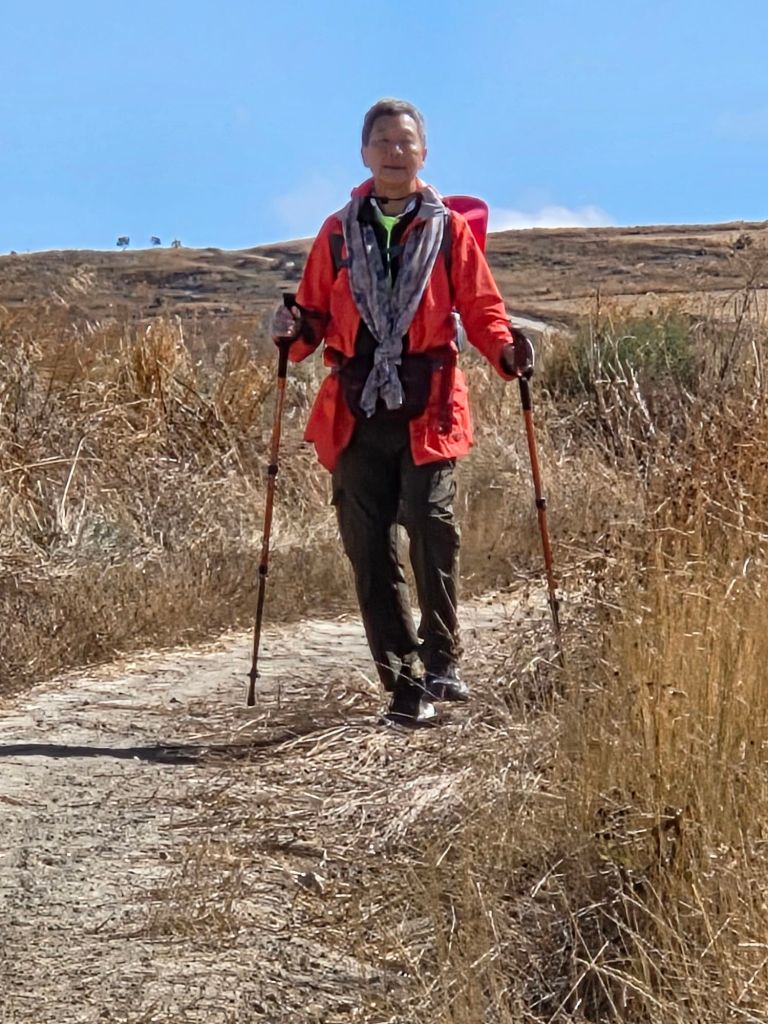
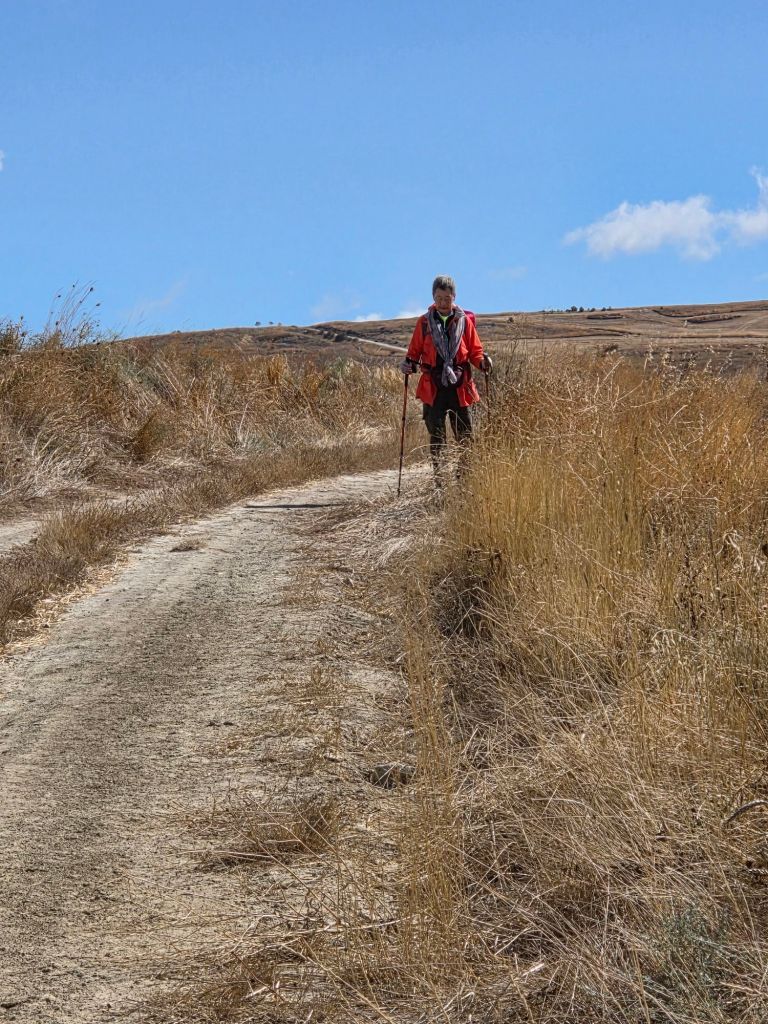
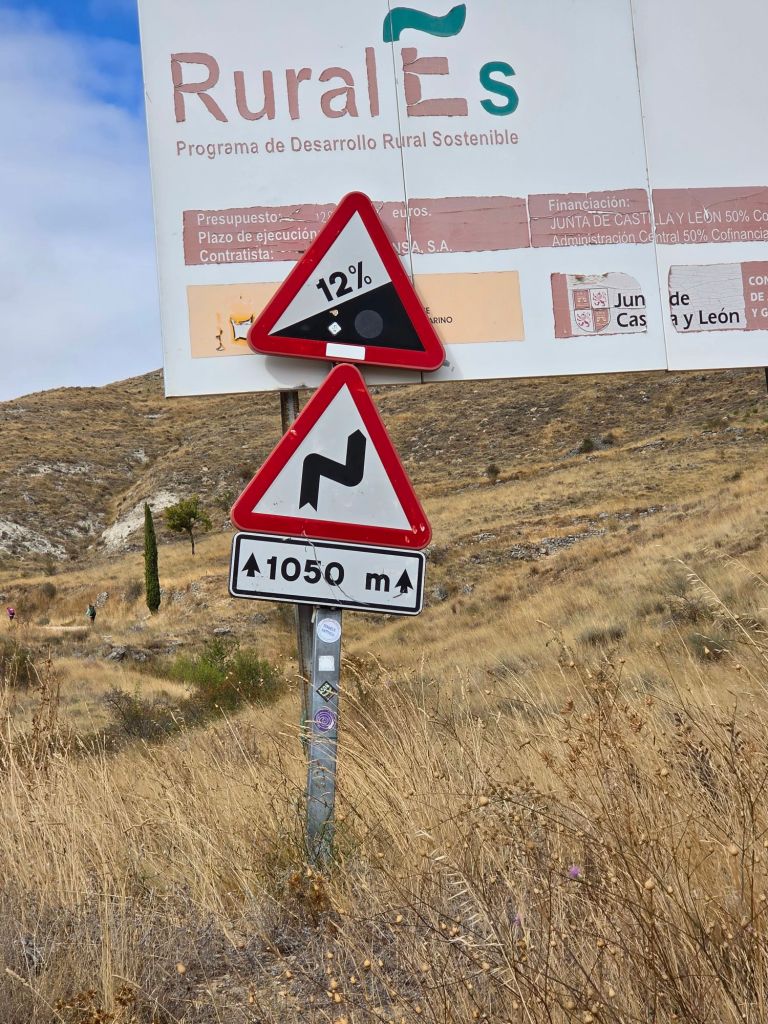
Carrion is also in the middle of the vast and beautiful “meseta,” the serenely beautiful high grain basket of Spain. At one point there is a challenging 200 plus meter climb from the valley floor to the “alto” (high point) of the meseta. A sweaty work out (better if you don’t stop!) is rewarded by stunning views from the top.
And then, the views! In every direction.
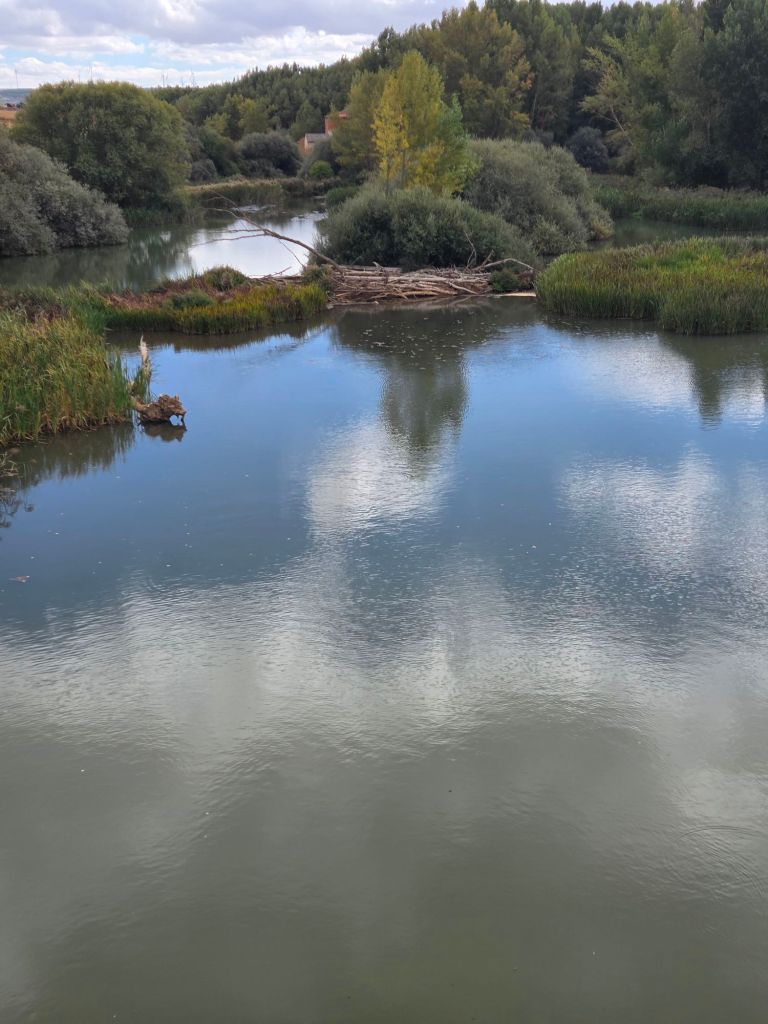
Still wildflowers bloom even in late September. The meseta depends on rivers and irrigation for life-giving water.
Clouds reflected in the river.
I am writing on September 28 from a lovely hotel room in Budapest, the first post-Camino stage of our sojourn. We’ve had a lot of adventures and mini-close encounters on this Camino, but basically, with the God’s generous providence, we are happy and well. Ed’s cold is passing, my blisters are toughening, and the cold that started for me 3 days ago is not too bad. The latest challenge is that Anne’s Samsung smart phone has stopped working.
We are still processing our many lessons from the Camino, and thinking of each of you with love.
I have borrowed Ed’s phone to finish this post as mine has stopped working. Will we find Samsung help tomorrow (Monday) in Budapest?
Stay tuned.
View of the Alps from Iberia jet flying from Madrid to Budapest 2 days ago.
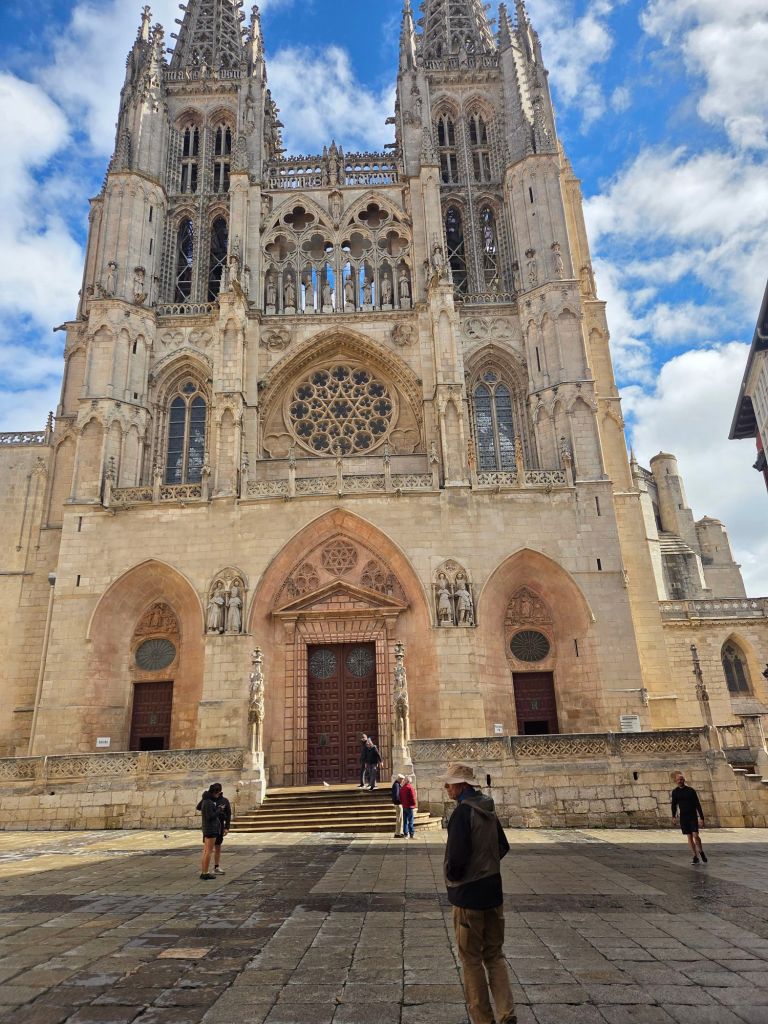
Back in Burgos for the 3rd time (2015, 2024 and 2025) we renew our delight with the beauty of the Catedral and city, people and ambiance.
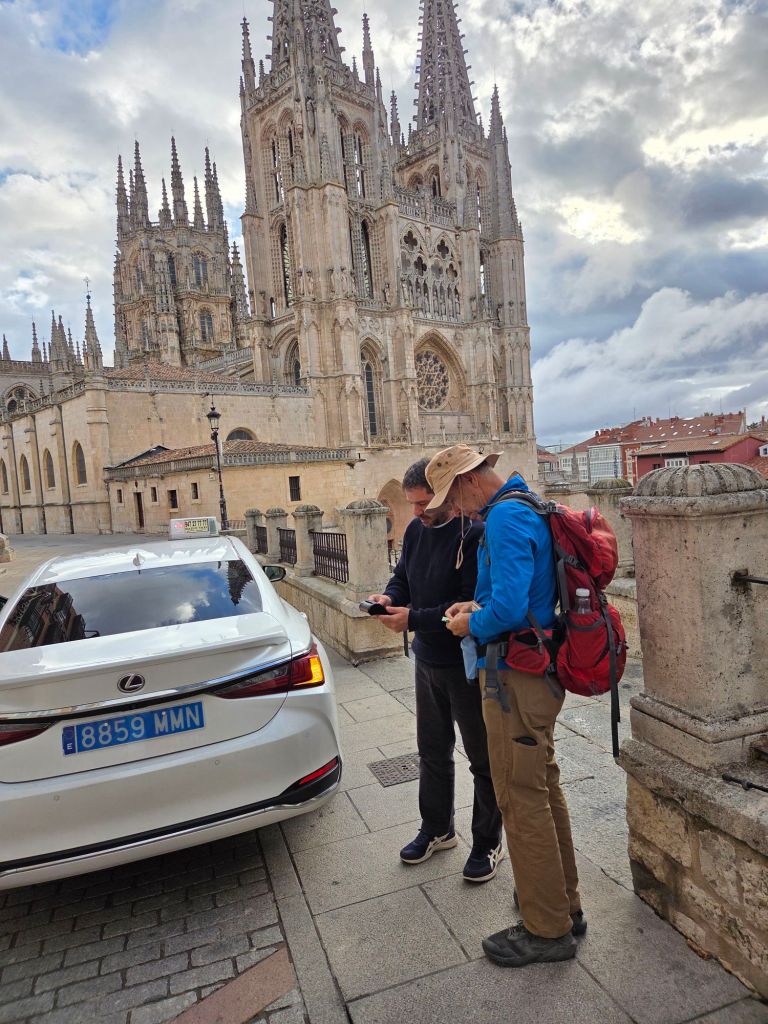
Arriving at our favorite hotel, Crisol Meson del Cid, directly across from the stunningly brilliant Catedral de Burgos, a UNESCO World Heritage site.
Rain was in the forecast, which combined with my blisters, led us to take a taxi today. My feet are very happy to wear my “nighttime” sandals all day instead of gingerly wearing walking shoes with an array of silicone patches.
To prove the adage, “no two days on the Camino are the same,” we experienced a breakdown with the Spanish Postal Service, Correos, which has been forwarding a suitcase for us on the Camino to reduce the weight we carry (mostly Ed carries, not me). Correos operated flawlessly for the first 7 days, but for a reason inexplicable delivered our bag yesterday to the wrong tiny mountain hamlet. After a 30,000 step day, we were hot, footsore and disappointed not too have our bag waiting for us.
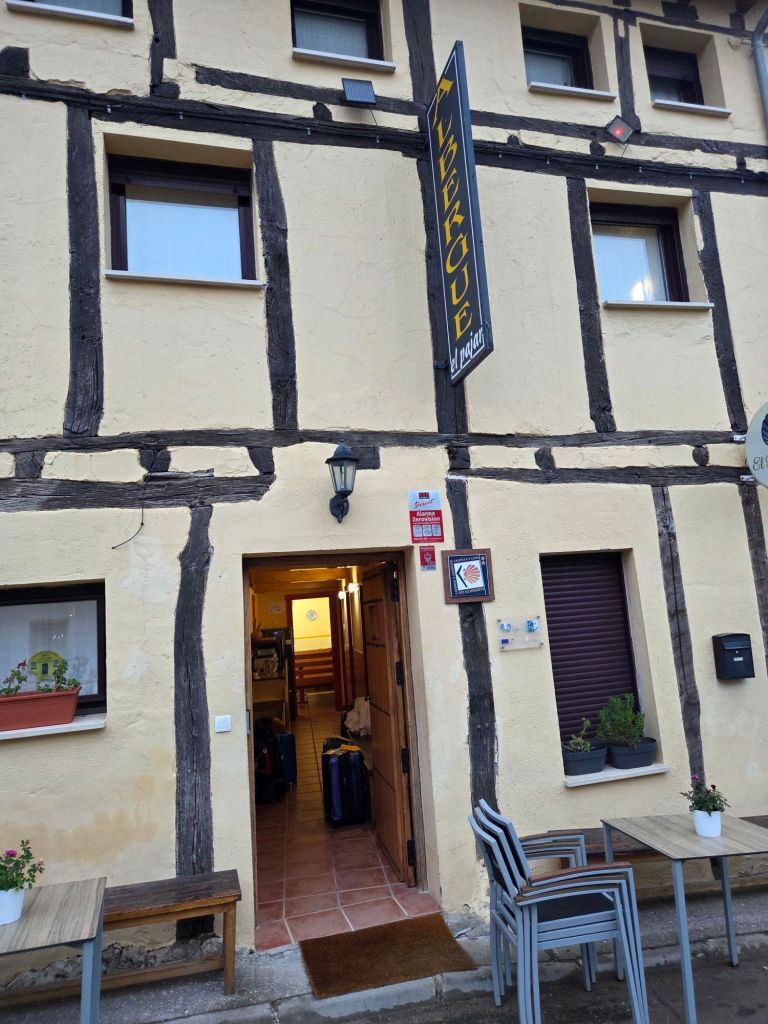
Our albergue in Ages, an ancient and tiny mountain hamlet.
The kindness of the Camino came through. The bag was located with a long telephone call by our hostess, and her husband drove to the other hamlet to retrieve it.
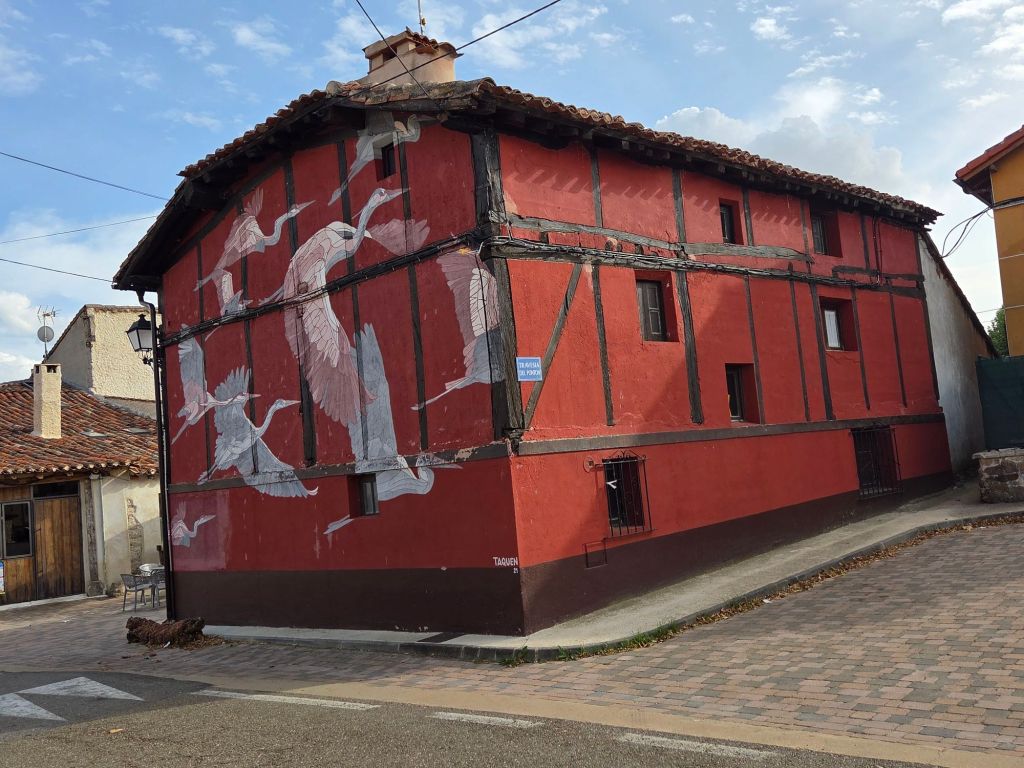
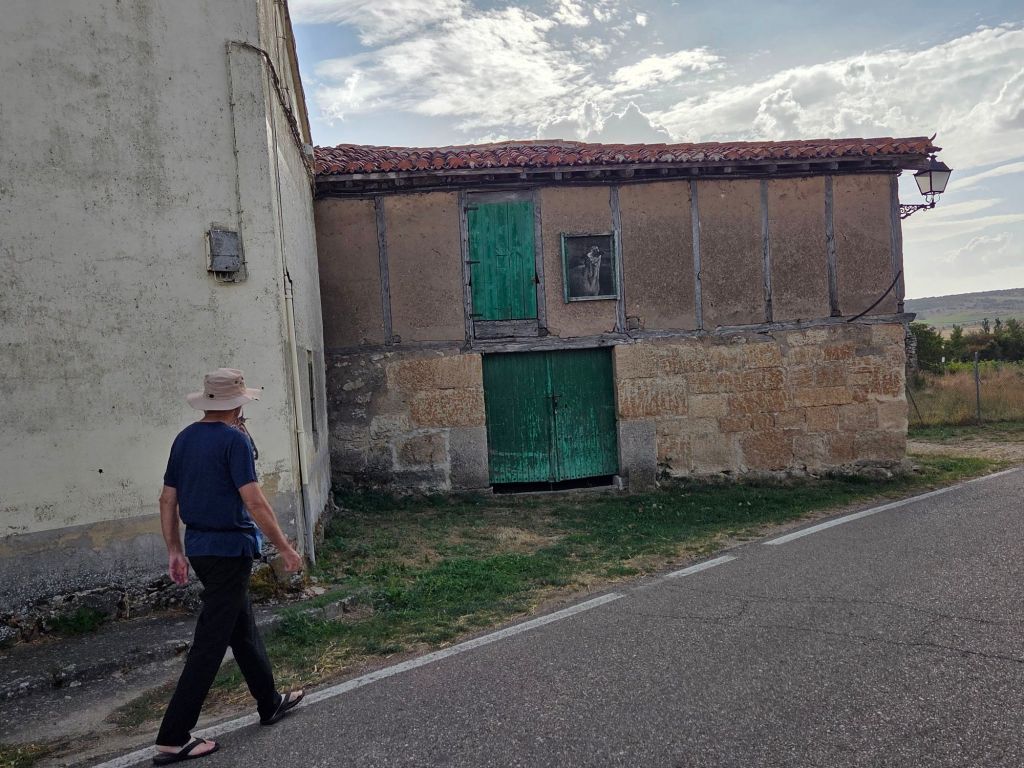
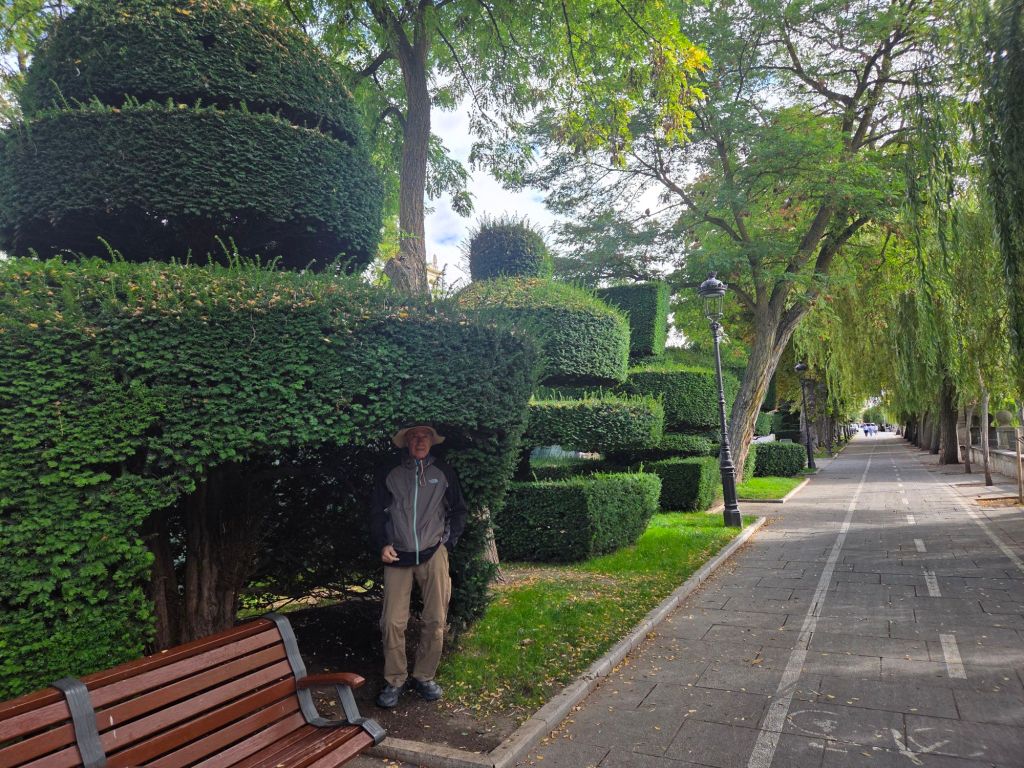
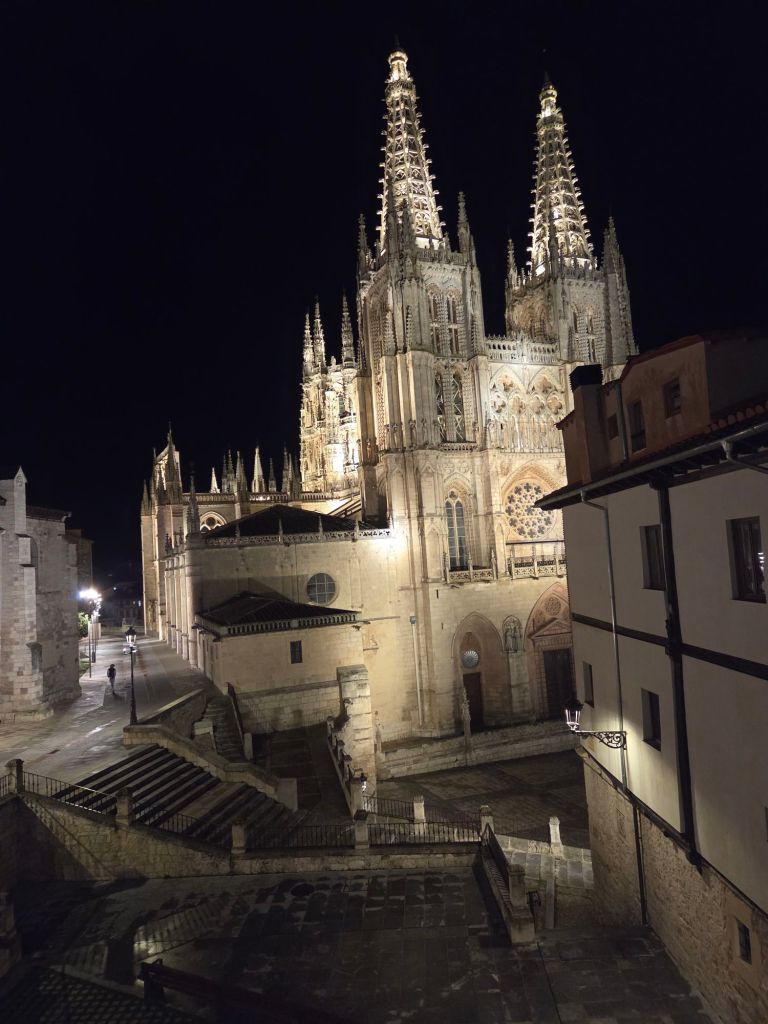
Another view of Ages’ half-timbered architecture, decorated by modern artists.See the animal watching Ed from a second story window. Arriving in Burgos, the gate opens through well preserved city walls. Residents and visitors alike enjoy the city’s spaces.Catedral de Burgos is well restored and maintained. Burgos is the number 5 in Spain, we learn. We made 10:30 am Sunday mass inside in the beautiful Chapel of Saint Tecla.Promenade along the river leads to the Museum of Human Evolution.This museum features important archeological finds from the nearby site of Atapuerca, pushing human life in Europe earlier than previously understood.The view from our hotel room of the beautifully lit Catedral illumined our sleep.
We are publishing this now because we don’t know when we will get good internet again.
Even though we get up and walk each day, no two days are the same on the Camino. And even though we’ve done this before, the details to come are unknown.
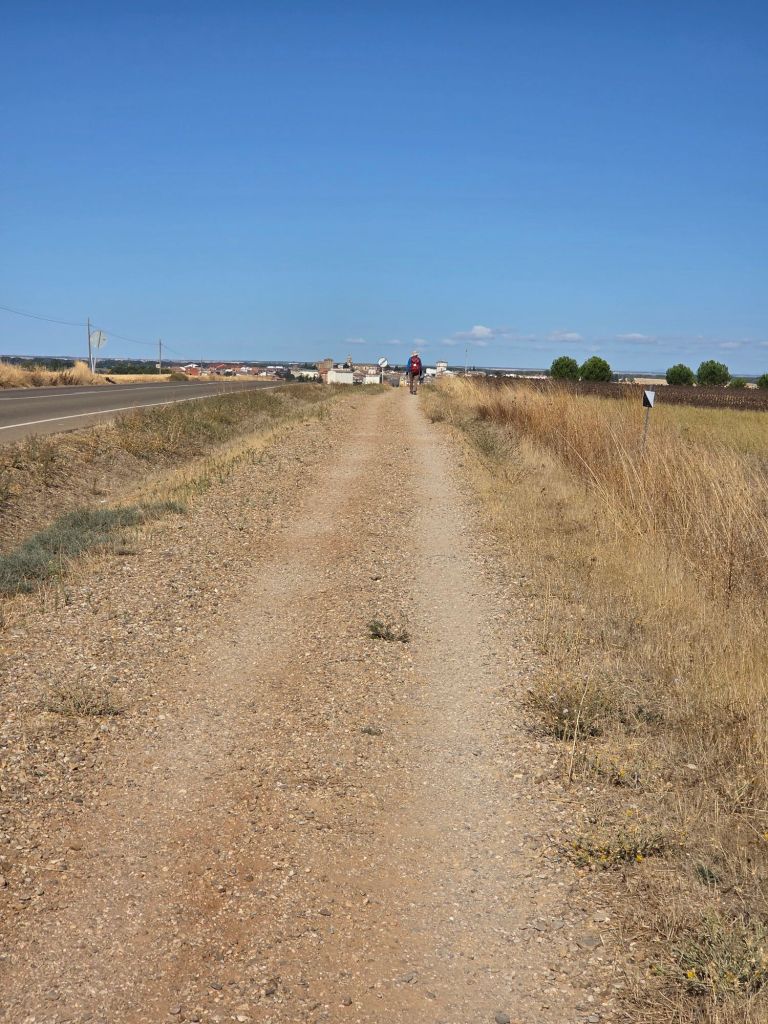
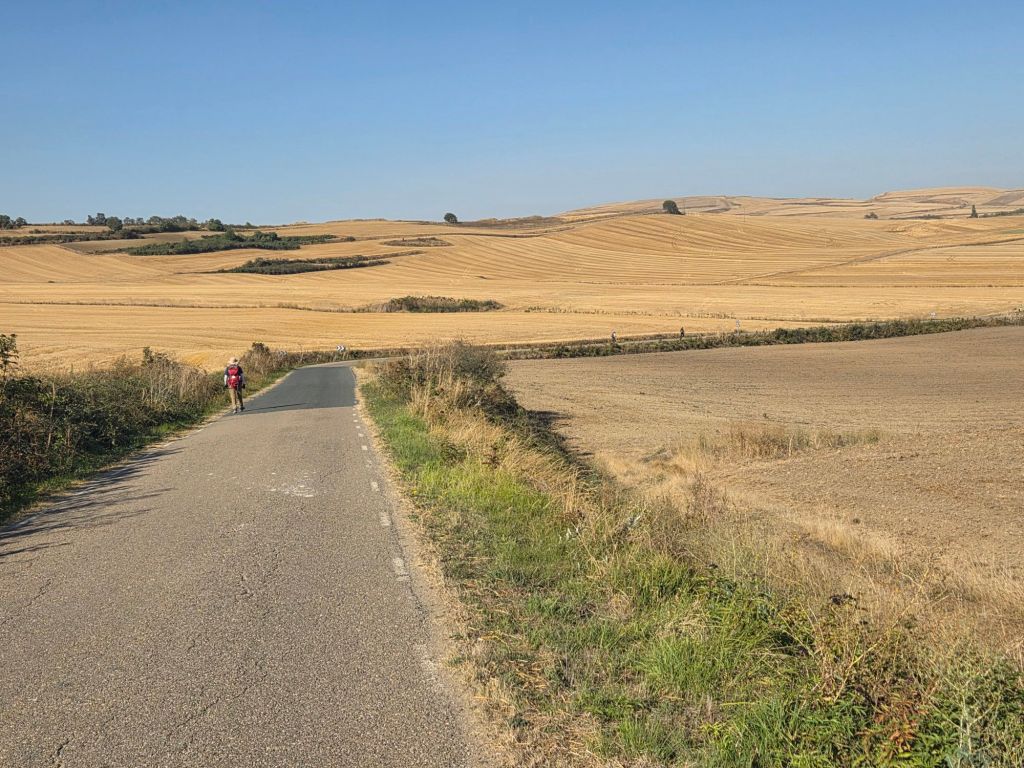
Ed with red backpack on Camino in La Rioja
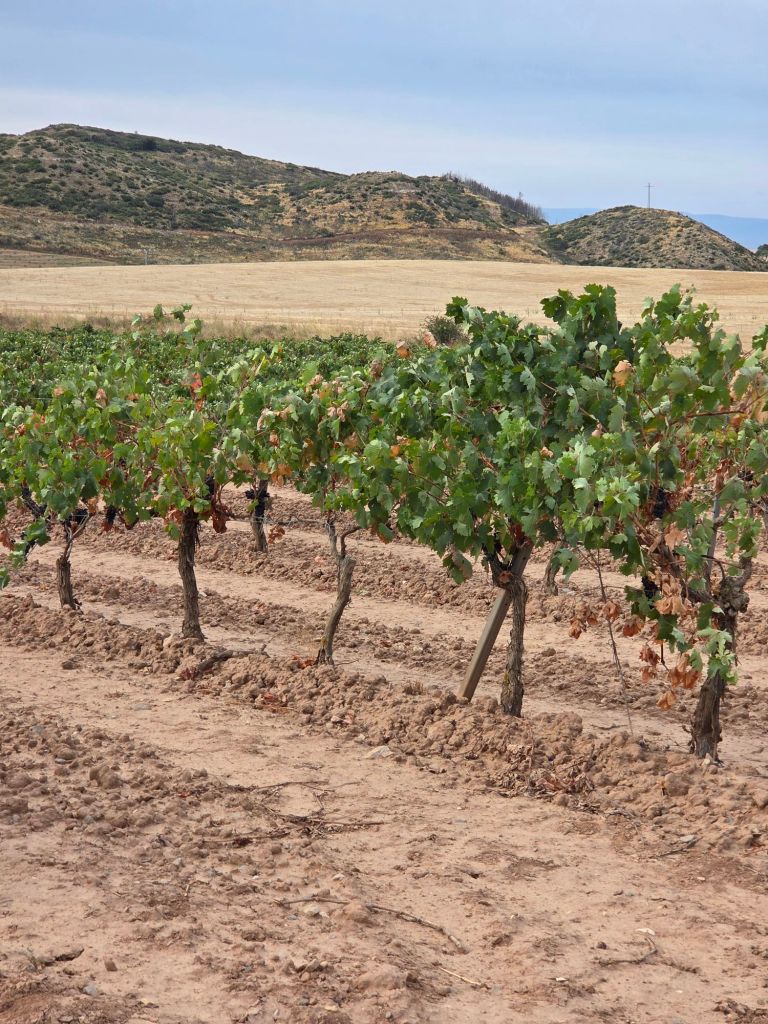
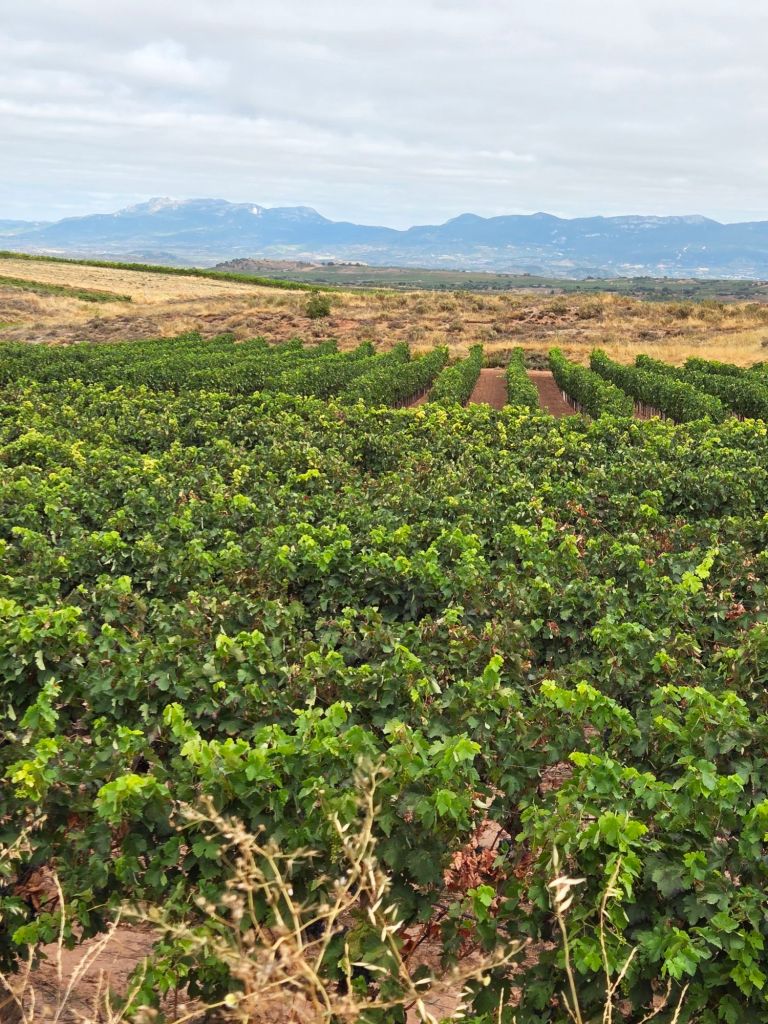
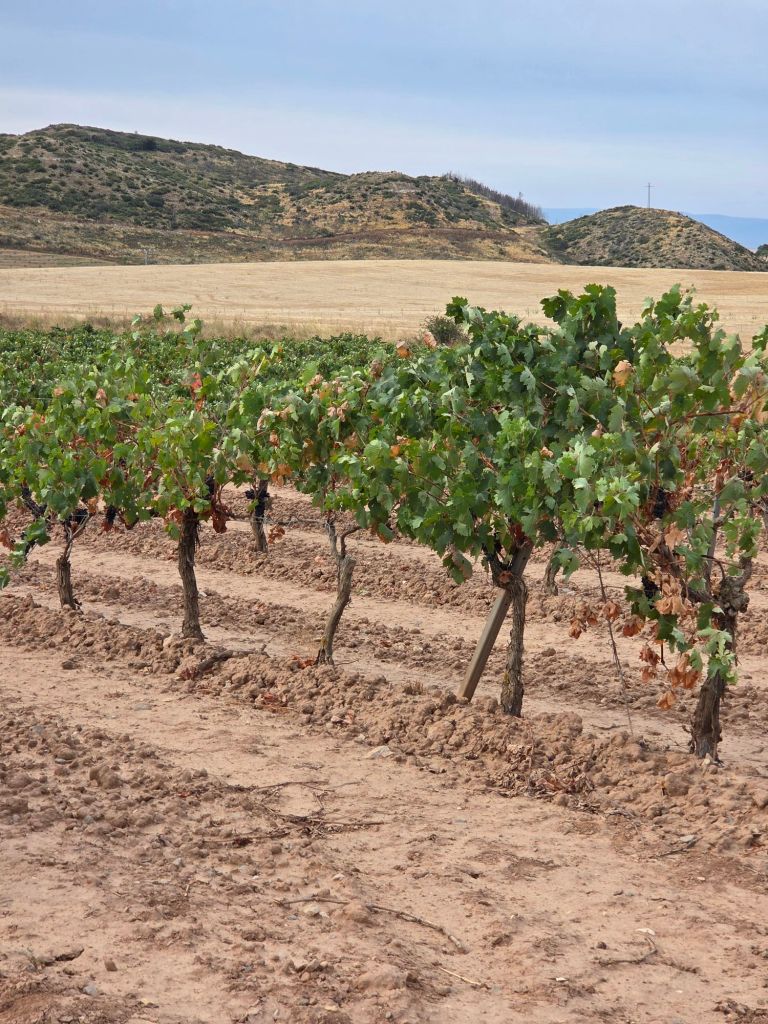
What’s been consistent: good weather, cool mornings turning hot. Indications of harvest: grapes dark and white, hanging in bunches from ancient vine stocks. Beauty everywhere: the colors and contours, rolling vistas and tiny wildflowers blooming into autumn.
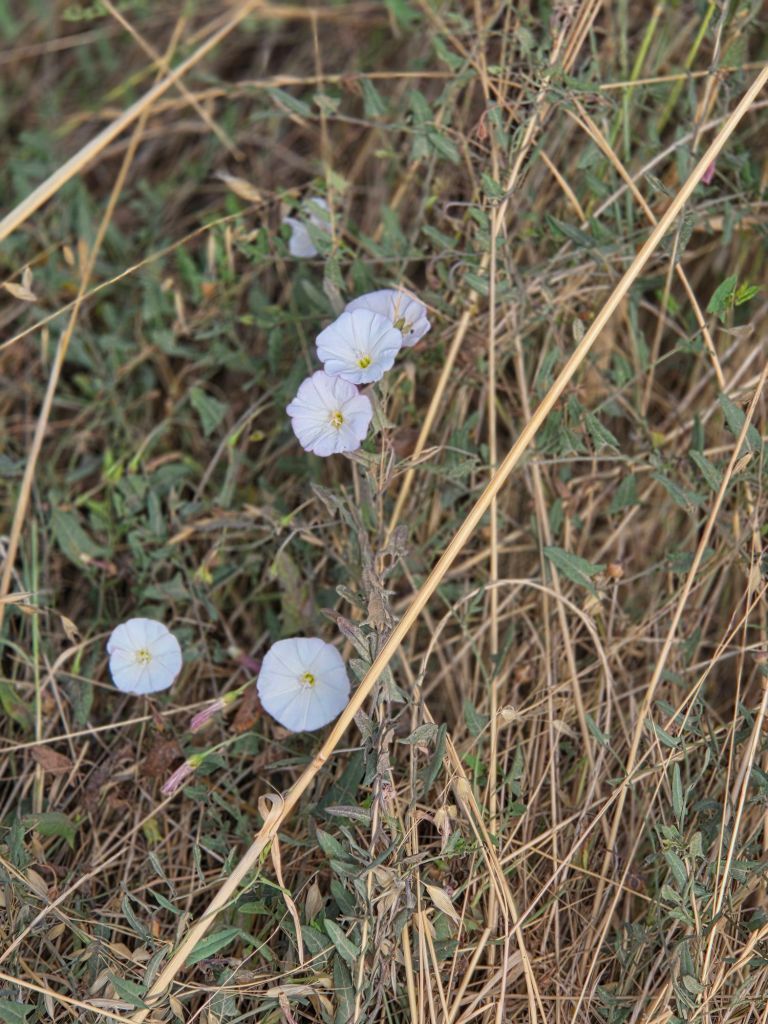
Vineyard in NavarreWildflowers in margins of fieldsVineyards in the famous wine growing province of La Rioja
What’s been inconsistent? A few hosts who seem new to the Camino have not been as helpful as most. A turnover of a generation, noticed by us compared to our first Camino 10 years ago? Fortunately, most hosts continue to go out of their way to help.
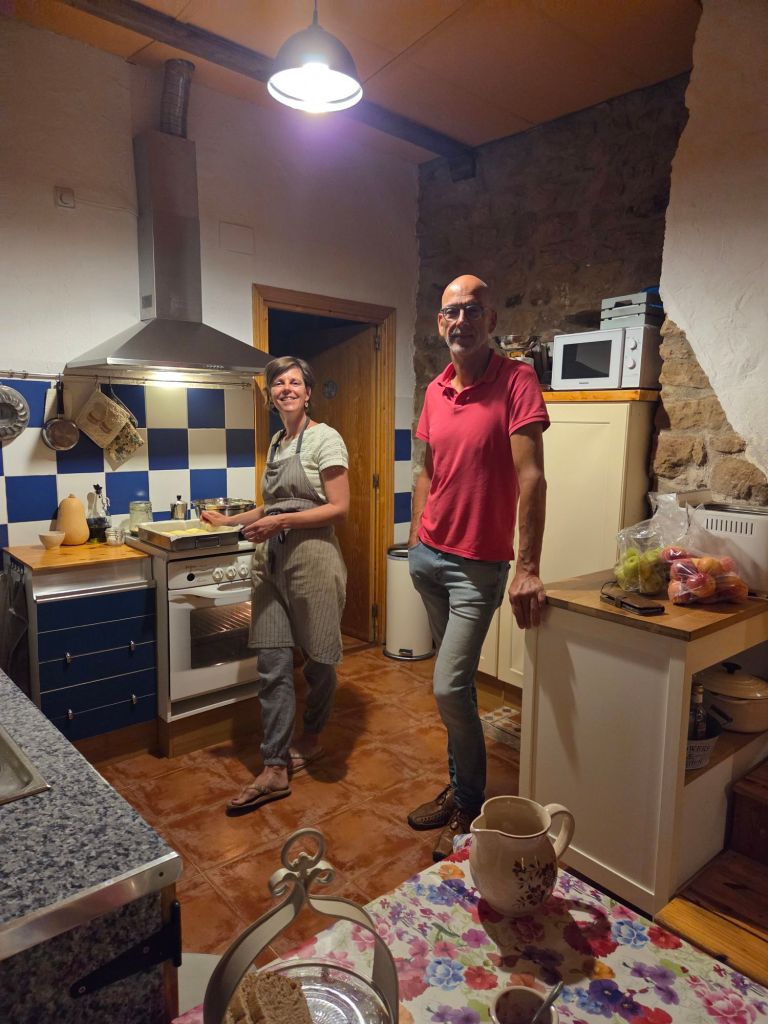
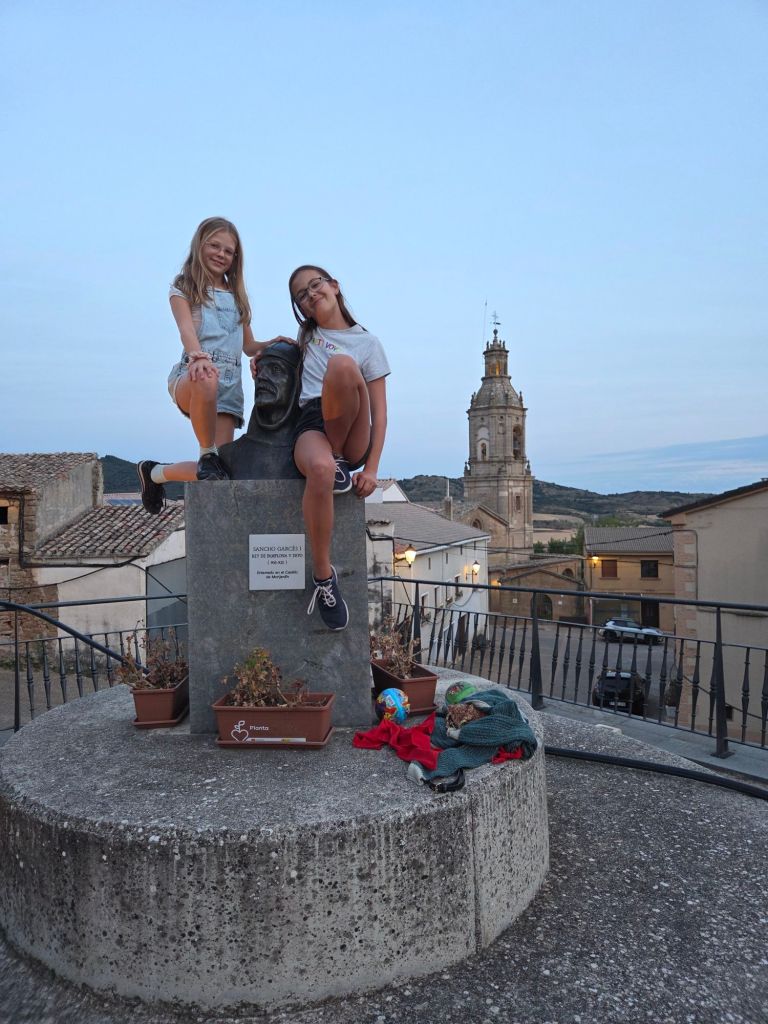
Lovely hosts Betty and Bart who are from the Netherlands and welcoming peregrinos for over 10 years, in their kitchen at Cass Rurale Montededeio in Villa Mayor de Montjardin (Navarre)Betty and Bart’s daughters Anna and Aileen, who are learning Spanish and English in addition to their Dutch at the local school
Other inconsistencies? In the last 10 years many of the plumbing and electrical fixtures have not been upgraded from their previous decrepid state, leading to awkward dances with the soap, etc. And wifi is always advertised but frequently non functional.
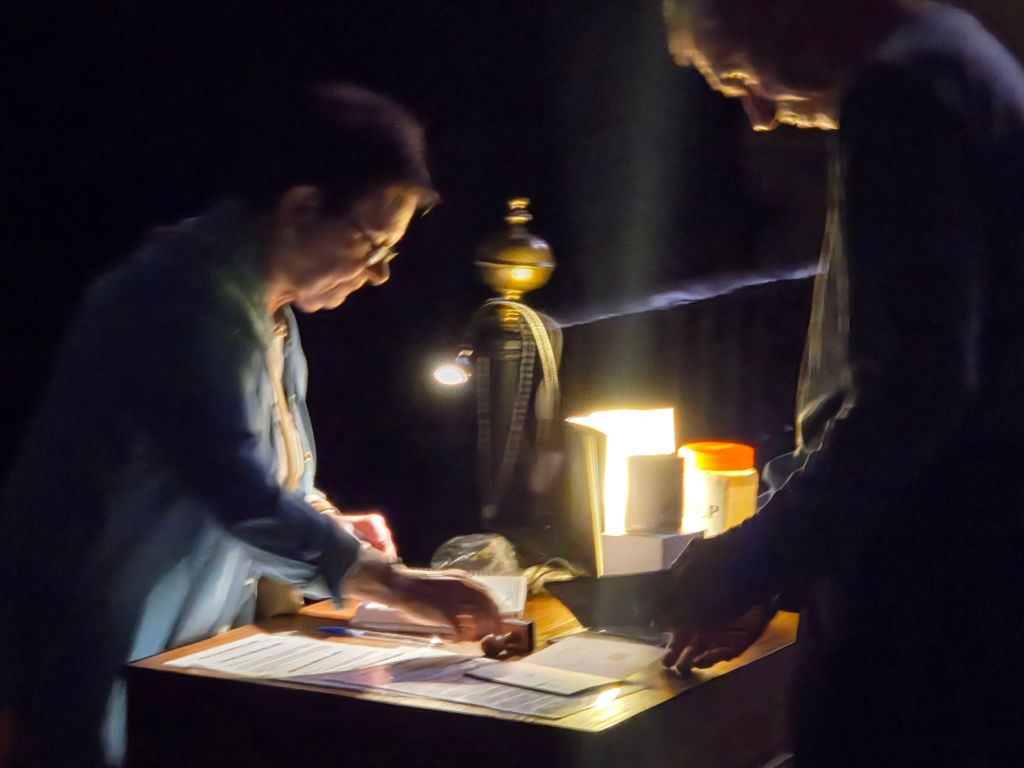
A helpful volunteer administers a sello (stamp) into Ed’s pilgrim passport (campostela) at San Pedro’s in Estella. This photo is reminiscent of Carravaggio, I thought…
Some days the Camino seems crowded with other pilgrims never out of eye or ear shot. Indeed, the 2025 projection is for 430,000 compared to 240,000 (then a record) in 2015. But today our way was quiet and shared with only a few.
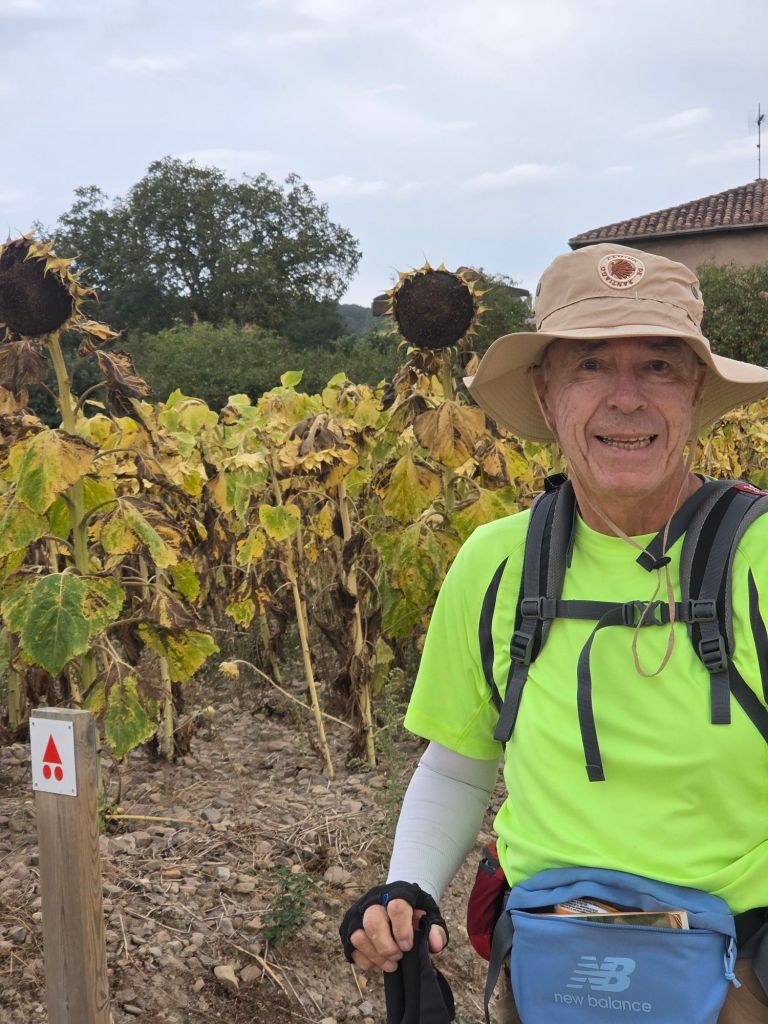
Today’s crop is sunflowers in Castile y Leon, Spain’s largest province, which we will cross for the next a number of days.
Health updates: Ed’s cold appears to be improving. Anne’s knee is doing well but she has a couple of troublesome blisters. It’s interesting that a tiny area on a foot can cause so much angst with each step. Last night’s wonderful host, Fernando, drove Ed to a farmacia where he acquired a blister ointment called Blastoestimulina. It’s powerful name gives me confidence that it will be effective!
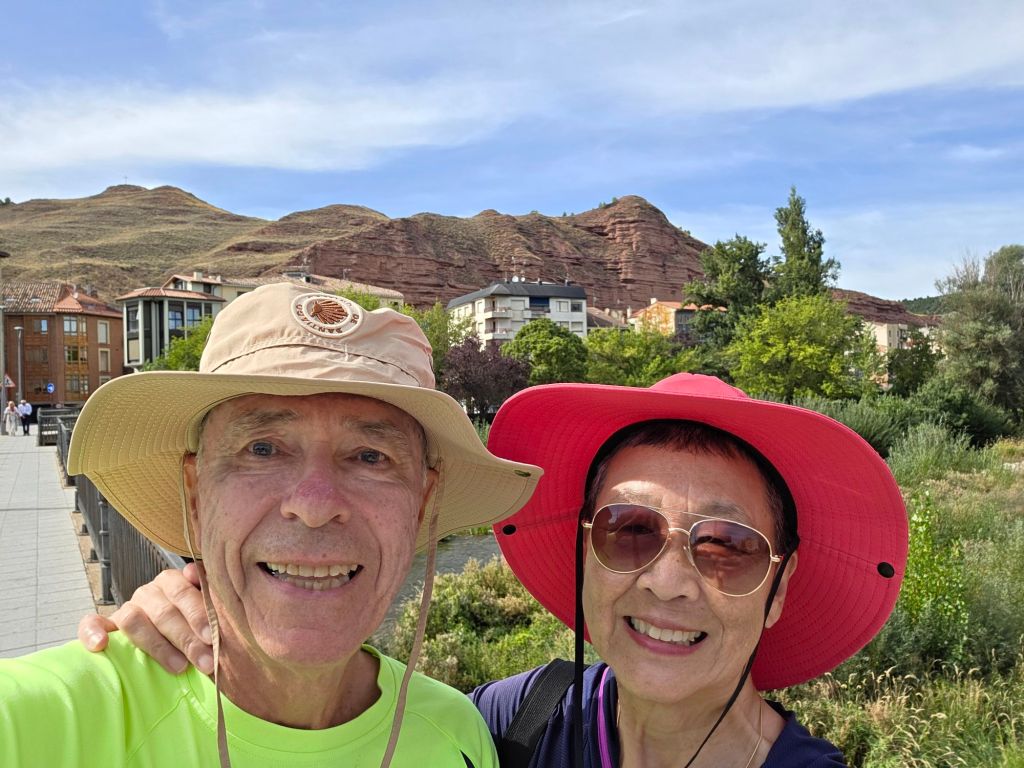
In front of the red sandstone cliffs of Najera.
Tomorrow it’s predicted to be cooler. We have a big walk up into the remote mountains with no auto roads, so we will need your prayers to be able to make it on my tender feet and safety for both of us. We continue to carry each of you and your prayers with us with every step.
We have walked 3 stages starting in the beautiful province of Navarre in a Basque town called Estella.
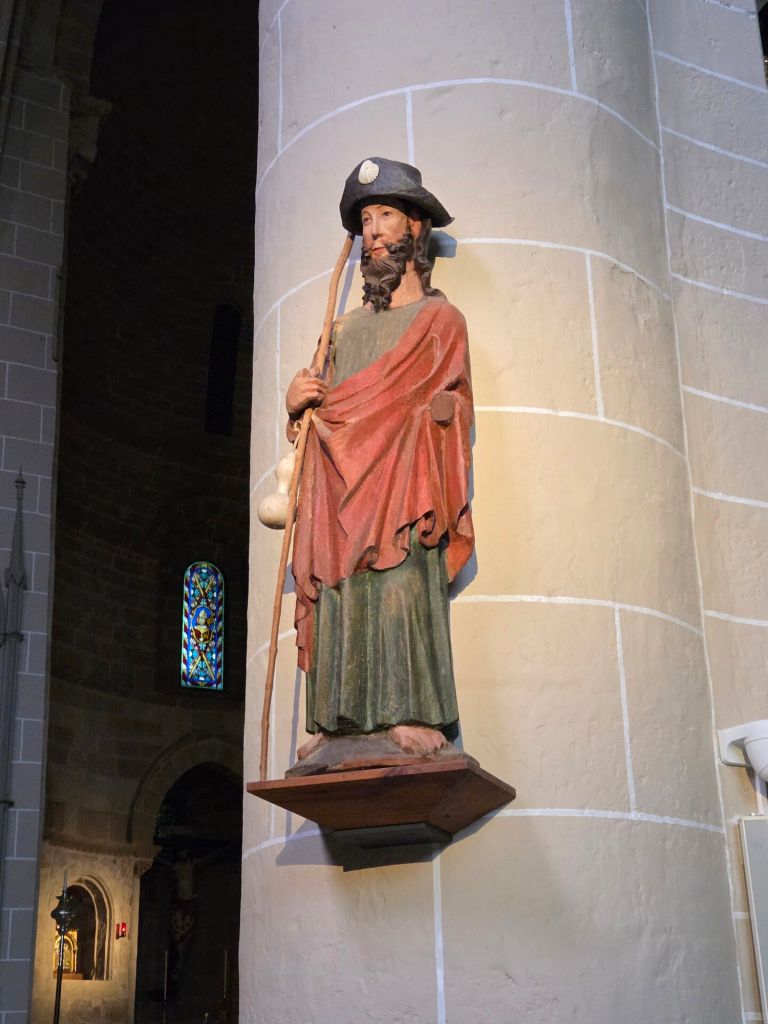
St James peregrino (pilgrim) in S.Pedro, Estella12th century cloister 12 C S. Pedro
Getting to the starting point from Dulles Airport was a series of adventures and close calls in itself, involving trains, planes, buses and feet. Some day we will share the stories The short version is, we made it.
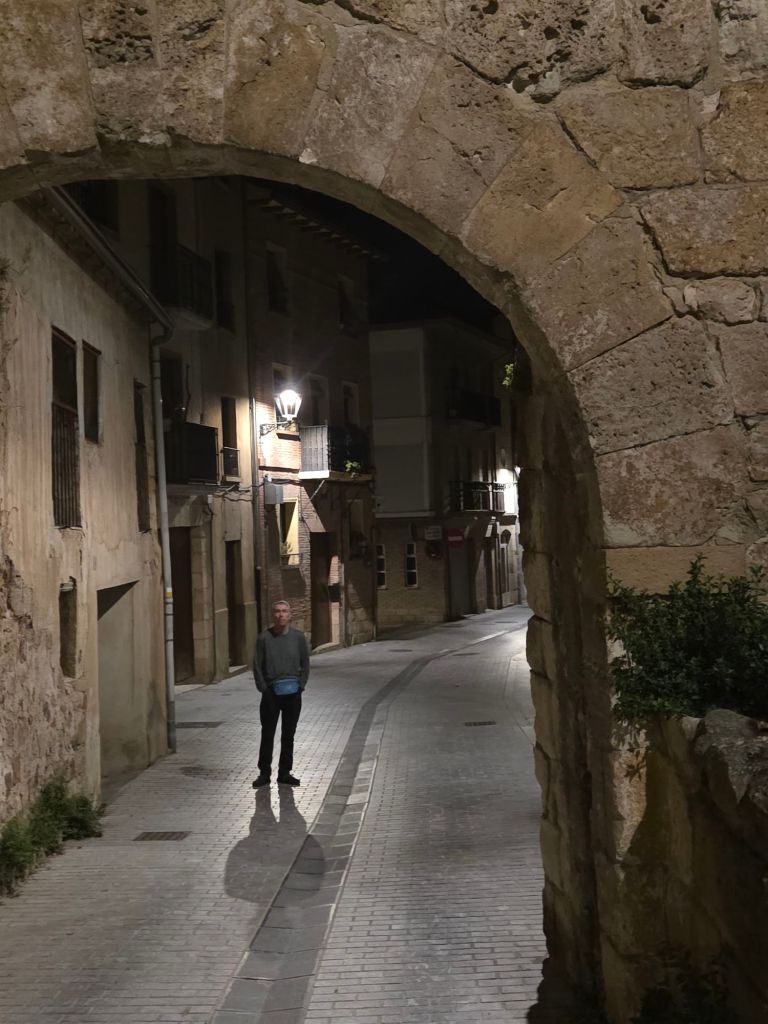
The first night we treated ourselves inadvertently to a 3 am moonlight walk in Estrella because of time zone confusion.
Town is strangely empty. Then we figure out it is 3 am.
We’ve had 3 days of mostly sunny and hot weather. So far Anne’s left knee and other parts of both of us have held up… until Ed woke up this morning with the start of a cold. We still managed 7 km, 21 km and 10.5 km with some steep climbs especially today.
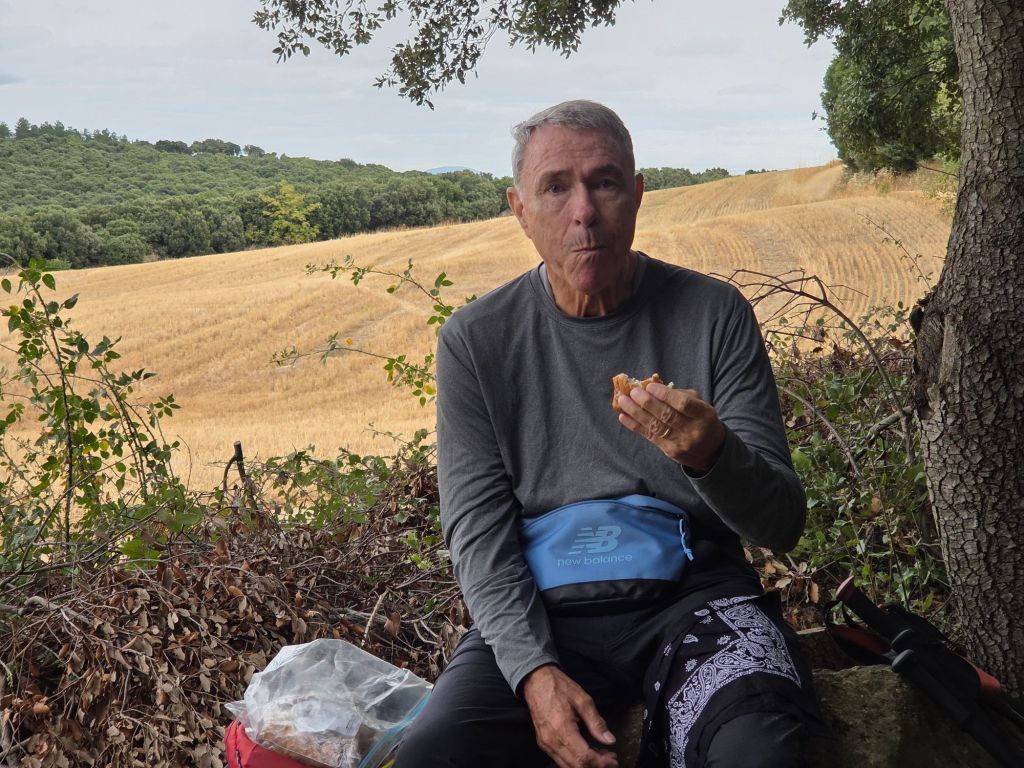
Picos de Europa mountains in the distance. Picnic on the way. Grapes will be harvested soon. Tawny fields and hay.
The Camino is much the same as our first encounter 10 years ago and definitely NOT in the 21st century. For one thing, wifi in some locations is not up to snuff. So posts on this blog will be intermittent at best
If you want to contact us please use email NOT text or cell calls, and be patient with our response
Later today we will set off on our latest pilgrim jouney.
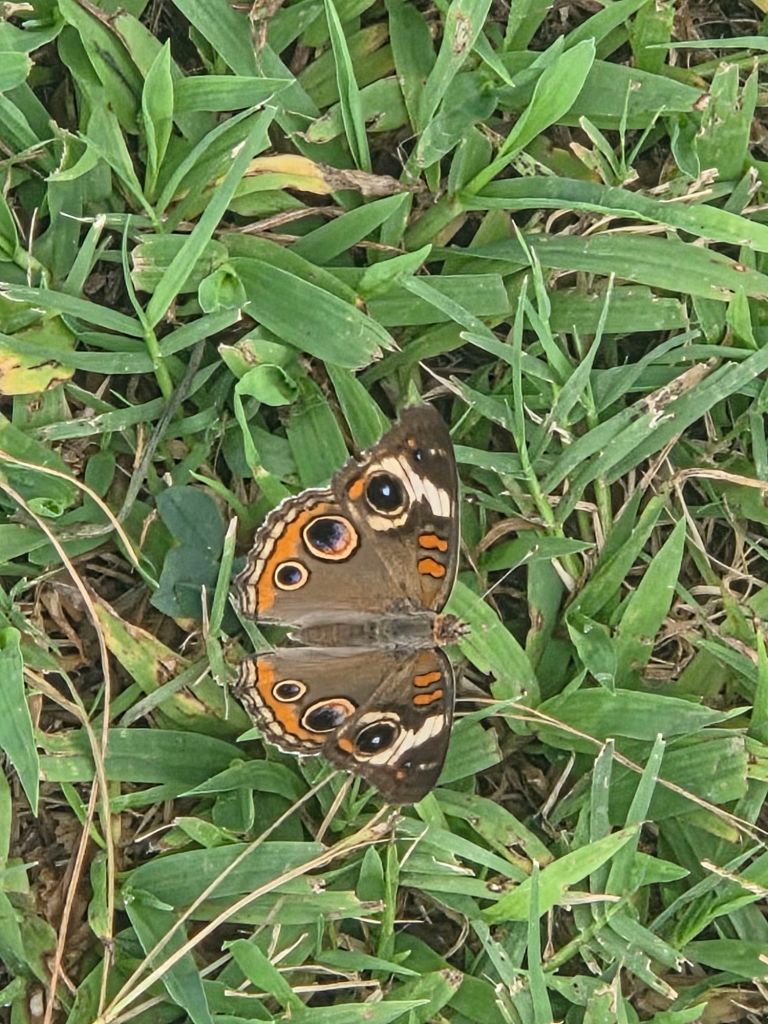
Common Buckeye butterfly in Maryland
It’s been a busy summer seeing family and friends and getting ready for the journey, which will take us to 5 countries — Spain, Hungary, Italy, Croatia and Ireland — over 6 weeks. The end of October should find us briefly back in DC before we head off to St Paul-Collegeville, Minnesota and then our winter nest in Naples, Florida.
Summer has been richly filled with encounters with dear family and beloved friends. Thanks to my teammates where I volunteer at Naples Botanical Garden, I have started recording observations on inaturalist.com (a great app), like the butterfly pictured above. Thanks to Ed’s insistence, we have logged over 50 miles of hiking over the last week to get legs and feet Camino-ready, providing opportunities to look and listen as we walk.
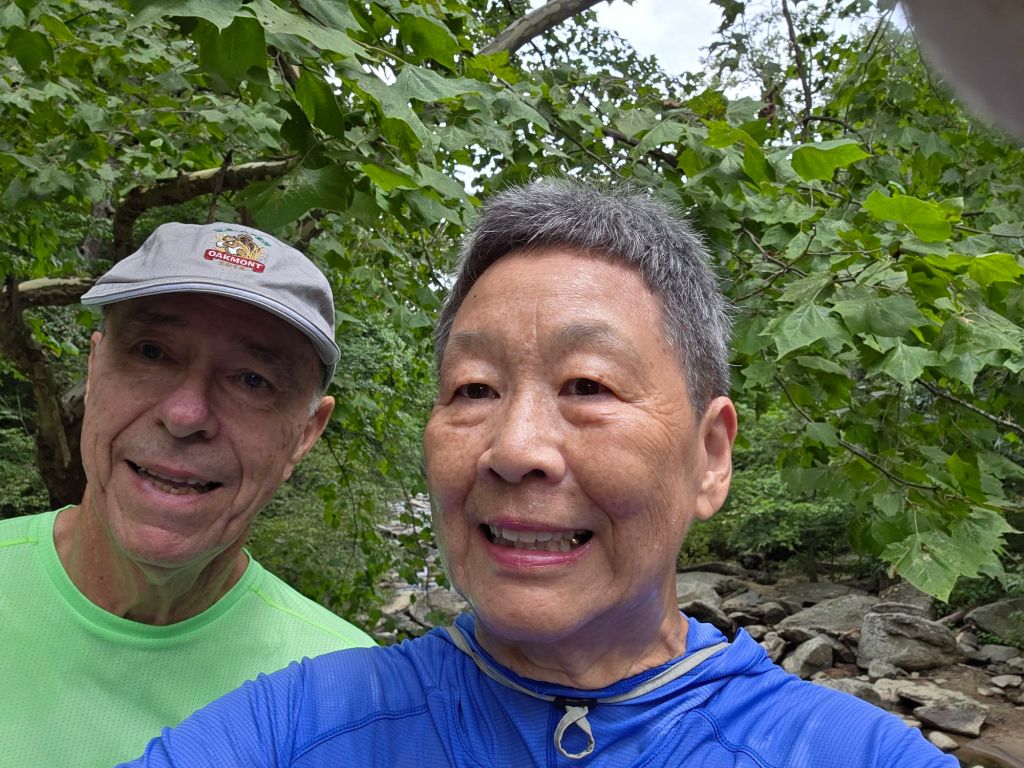
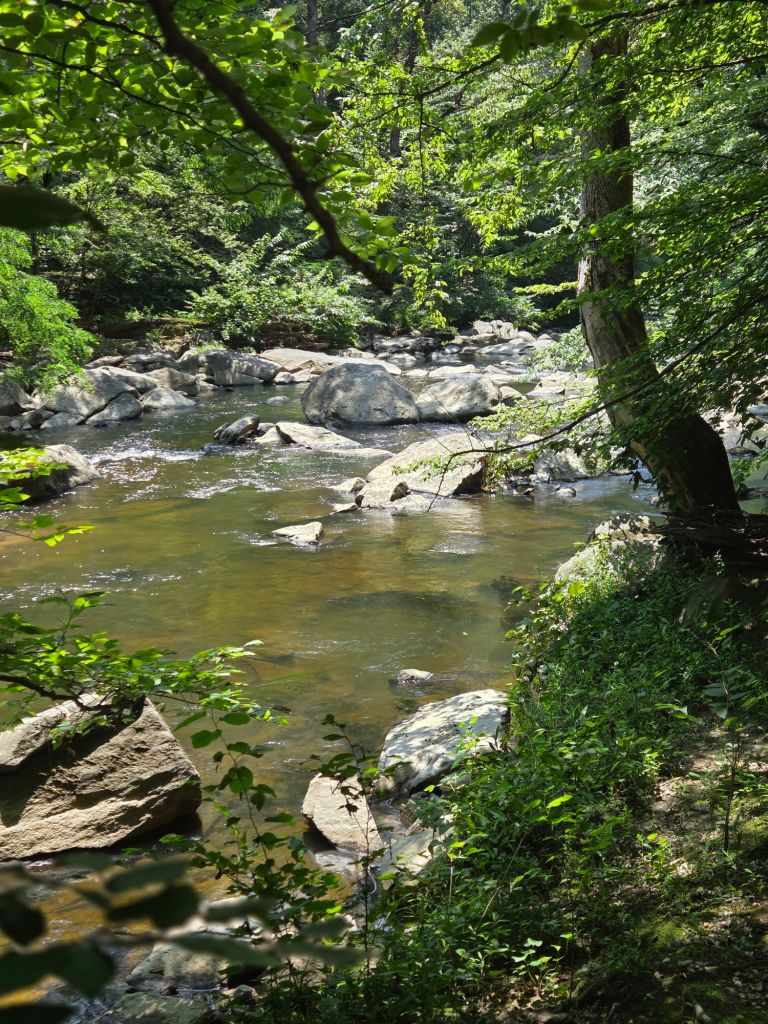
Most of our walking has been through Rock Creek Park, a National Park which runs behind our building into Maryland. It is a lovely green enclave with running water, shaded hiking trails and enough scrambling ups and downs to hold interest.
Eponymous Rocks
So far my left knee, which was injured last fall and forced us to cut that walk short, has been holding up, DV (dieu le veut, God Willing). A large supply of silicone blister patches is coming along for the first two weeks of our trip, which is planned for 2 weeks along the Camino de Santiago de Campostela Frances (The French Way).
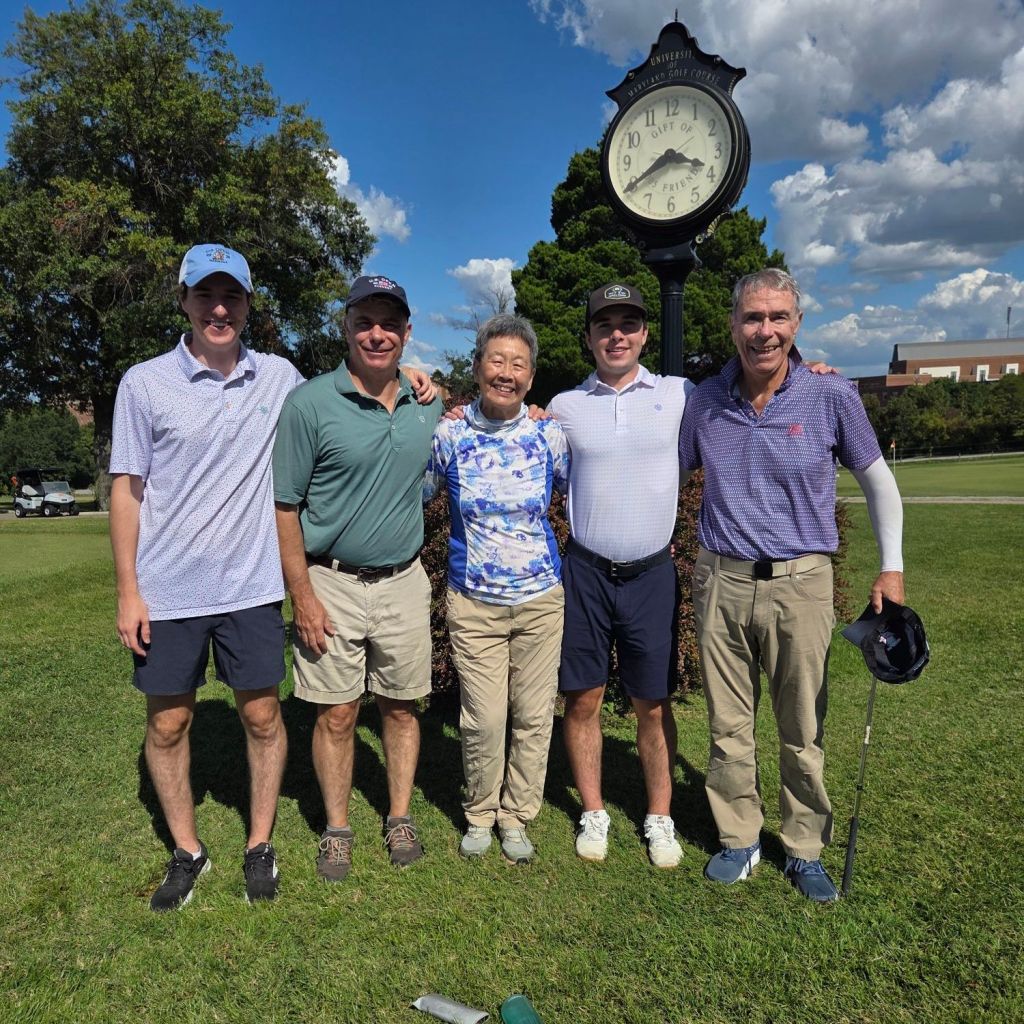
From left, Jack, Bob, Anne,Owen, Ed (not pictured is Ryan who lives and works in Pittsburg these days.
Golf with the boys and on our own has also provided lots of walking exercise.
We will start this Camino where we had to stop last year — Estella, and walk to Carrion de Los Condes, near the Camino’s mid point. Compared to our first Camino in 2015, when we walked the whole way to Finisterre on the Atlantic, this time we will not be carrying full packs (but using Spanish Postal Service Pac Mochila luggage forwarding) and we will also be limiting our daily distances. We will also be mostly avoiding bunk bed dormitories.
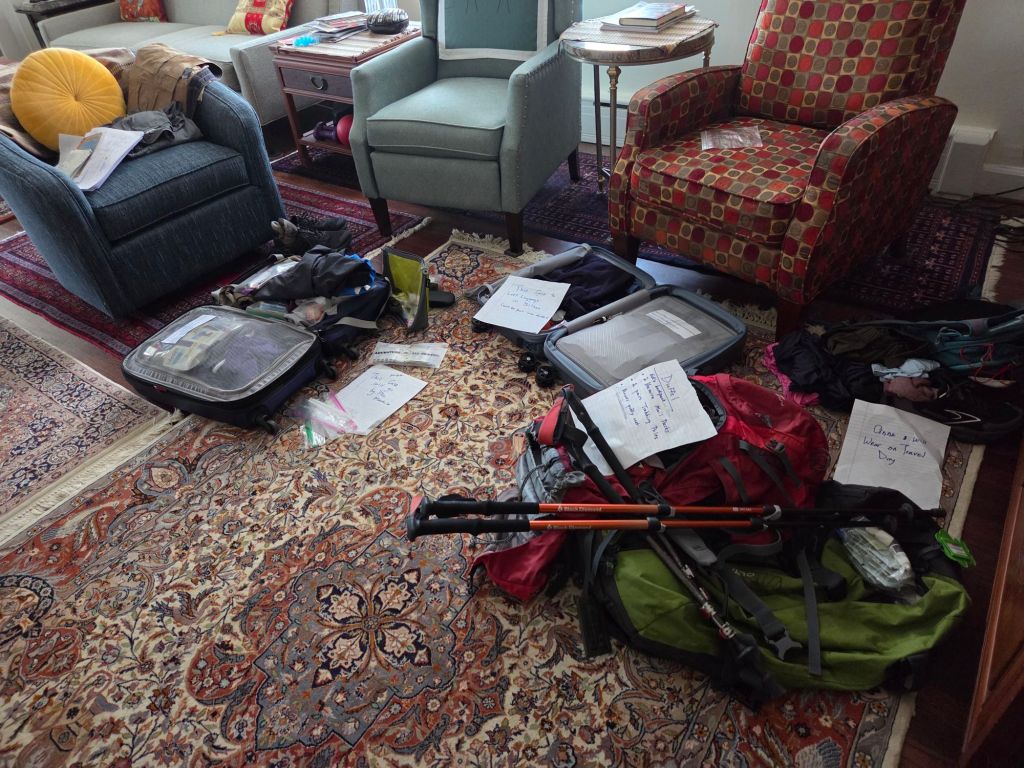
Staging area for packing for 6 weeks
Ed’s Travel Agency has been hard at work for weeks making air and hotel reservations. It’s an enormous amount of detailed work, full of frustrations, and much appreciated. Despite his efforts, no doubt we will be writing about unexpected occurrences that come with travel…
After 2 weeks, we plan to leave the Camino path on a bus, then fly from Bilbao to Budapest, which we’ve never visited. From Budapest we will fly to Bologna which gives access to Ravenna for a much-anticipated 4 day stay. Then we will make our way to Dubrovnik for the first time, returning to Rome (our favorite city in the world). We will travel finally to Ireland to see our lovely family in Derry, Northern Ireland, and in Sligo in the west of the Republic, our way of honoring and remembering Ed’s brother, Bill (1943-2022).
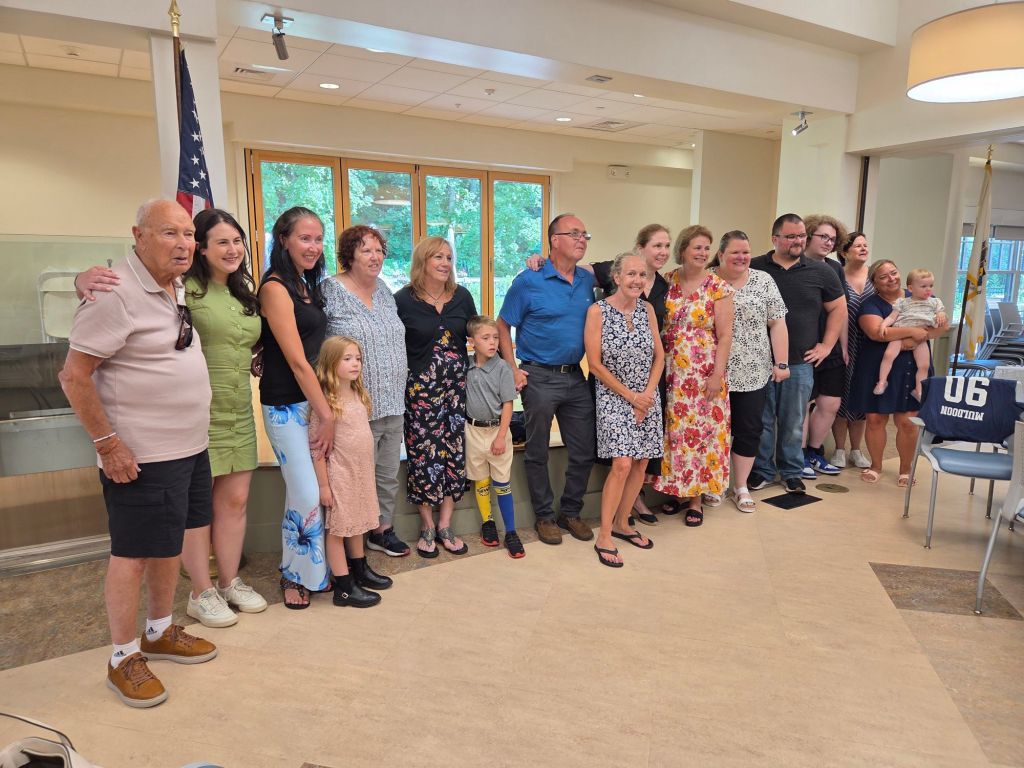
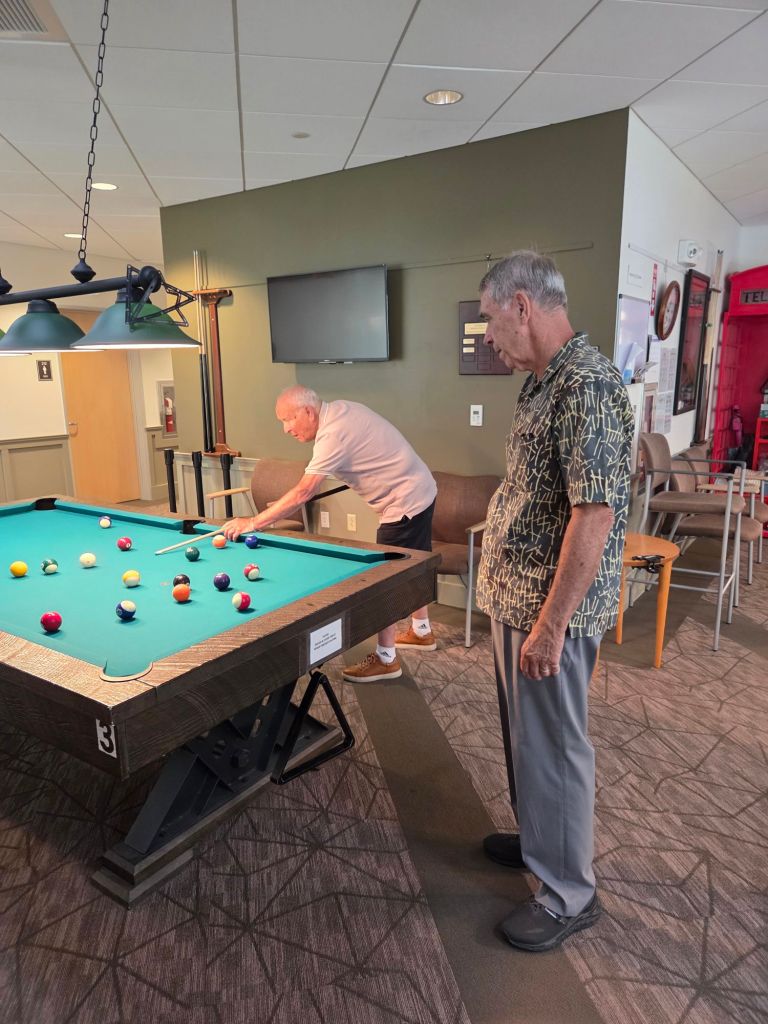
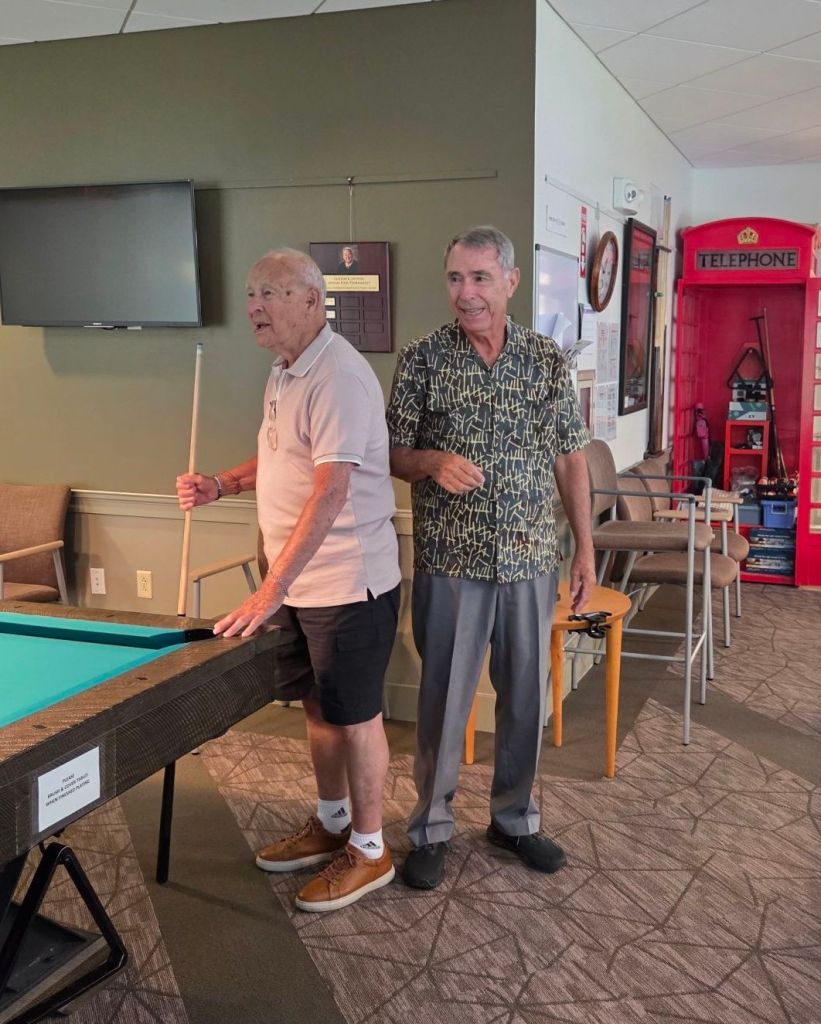
Closing this post with a summer highlight: Ed’s oldest brother Arthur celebrating his 95th birthday in July at the Walpole Senior center near Boston.
Arthur at left, above, with kids, grands,nieces,nephews and, below, demonstrating his pool technique to Ed. Arthur is manager of the traveling pool team.












 Anne and Ed Blog